By: Matt Emma
For decades, the central stretch of Midtown Manhattan between Sixth Avenue and Ninth carried a predictable rhythm. Office workers filled the sidewalks in the morning, emptied by early evening, and left behind quiet streets until the next workday. That familiar pattern has been shifting dramatically. A growing district now known as “42BELOW” has begun reshaping the area into a setting where people linger, explore, and are increasingly choosing to live.
This corridor, which runs from 42nd Street into the low 30s, including the Garment District, Koreatown, Penn District, Herald Square, and Bryant Park, represents how a commercial center can be revitalized as a work, play, live area through a coordinated mix of policy changes, private investment, and a flourishing dining culture that has captured the attention of both locals and tourists.
A District Redefined Through Policy
At the center of this shift is the Midtown South Mixed-Use Rezoning Plan, adopted in 2025. The plan aims to support the conversion of aging office towers into housing, a move designed to create thousands of new residences in an area long associated with corporate life. The introduction of additional public space and pedestrian-focused improvements is also helping to change daily activity patterns. Streets that once felt lonely at night now see a steady flow of residents, diners, and commuters.
“It’s remarkable that an area where offices once emptied after work, and then cleared out during the pandemic, has today become a vibrant dining destination drawing both local and world-renowned restaurateurs. This is yet another example of how food and beverage businesses can anchor neighborhoods and play a crucial role in economic development, revitalization, and city planning,” says Andrew Rigie, Executive Director, NYC Hospitality Alliance.
A Food Scene With Remarkable Growth
If policy provided the foundation, the food and beverage sector provided the spark. Manhattan saw roughly 900 new restaurants open in 2025, and a notable portion of them have chosen 42BELOW as their home base.
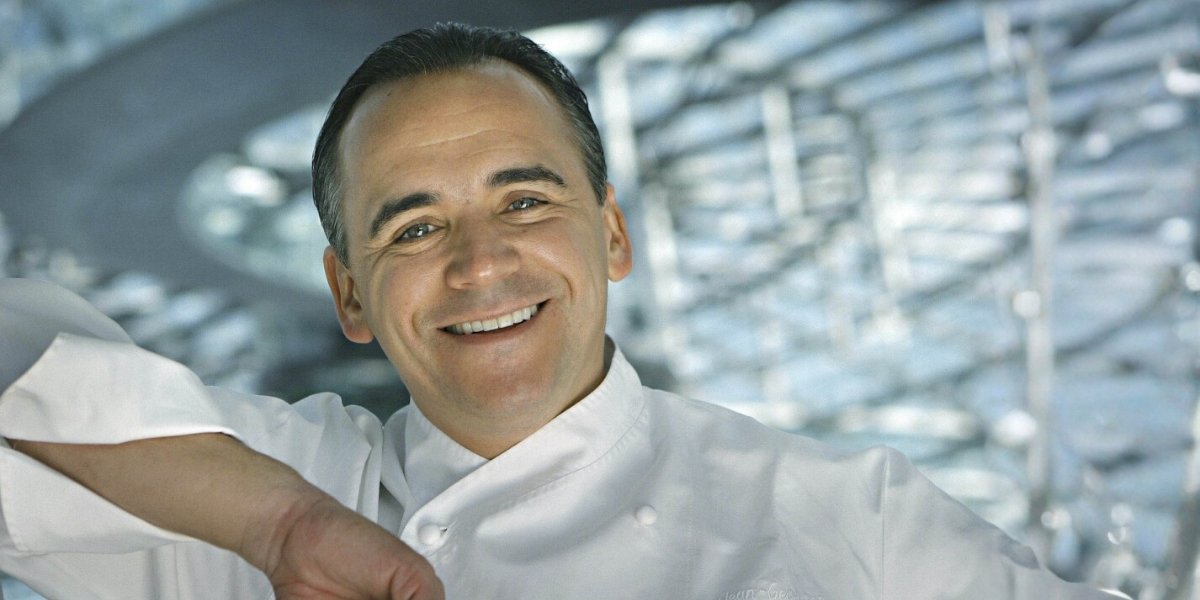
Bryant Park, in particular, appears to be preparing for a banner year ahead. A 25,000-plus-square-foot Jean-Georges restaurant is scheduled to open in 2026, along with Blue Ribbon Sushi, Brasserie Cognac, and a second New York City location of Olio E Piu. These additions highlight the area’s growing role as a culinary anchor.
The Garment District has followed a similar trajectory. In 2025, it welcomed 28 new restaurants, marking a significant increase from the previous year. The district’s roughly 20 blocks now support around 120 dining options. According to Barbara A. Blair, president of the Garment District Alliance, “Before 2005, there was only one rental building in the Garment District,” she notes. “Now, we are seeing the buzz of more residents and the cuisine to match, defined by diversity, accessibility, and bold, forward-thinking concepts.”
Koreatown continues its longstanding role as a concentrated dining hub. More than 120 restaurants sit within two blocks on 32nd Street, ranging from Michelin-recognized destinations to beloved casual spots. Its influence is spreading as new outposts continue to appear. Times Square adds another layer, offering an estimated 400 dining choices, a mix that spans local favorites, global brands, and upscale entries.
Housing and Investment Bring Long-Term Stability
As the dining scene has expanded, investor activity has kept pace. Between 2024 and 2025, the Midtown South rezoning zone recorded office building sales totaling over one billion dollars. Many of these properties are expected to convert into new forms of housing, helping to deliver an estimated 9,500 additional residential units.
The Garment District’s leasing patterns reinforce the sense of long-term confidence. Since 2020, the area has seen 74 new restaurants open and 45 existing establishments renew their leases. One commercial advisor from JLL describes this trend as “a clear indication that businesses and residents see lasting potential in Midtown’s evolution.”
A Neighborhood That Feels Connected
All these changes support a more cohesive urban experience. With walkable access to Penn Station, Grand Central, Bryant Park, and Madison Square Park, 42BELOW offers a rare blend of transportation convenience and green space. Increased dining options and rising residential numbers have helped reintroduce a sense of community to streets that once cleared out at sunset.
Restaurant activity, in particular, has played a pivotal role. Growth in hospitality often precedes renewed neighborhood interest, bringing light, movement, and gathering spaces that encourage people to return.
A Glimpse of Midtown’s Future
The rise of 42BELOW illustrates how coordinated planning, private investment, and cultural energy can reshape a district’s identity. What was once a strictly daytime office zone now functions as a mixed-use neighborhood that encourages people to participate in its daily rhythm.
Midtown’s future may look different from its past, and 42BELOW offers a clear example of how that shift can unfold: steadily, creatively, and with an eye toward community life.