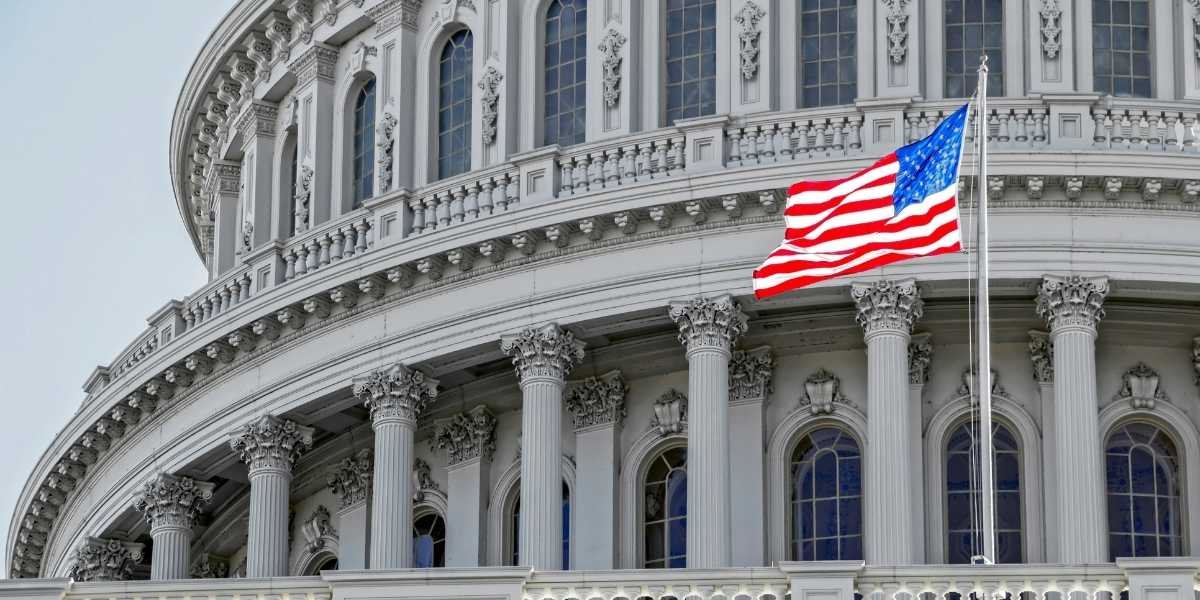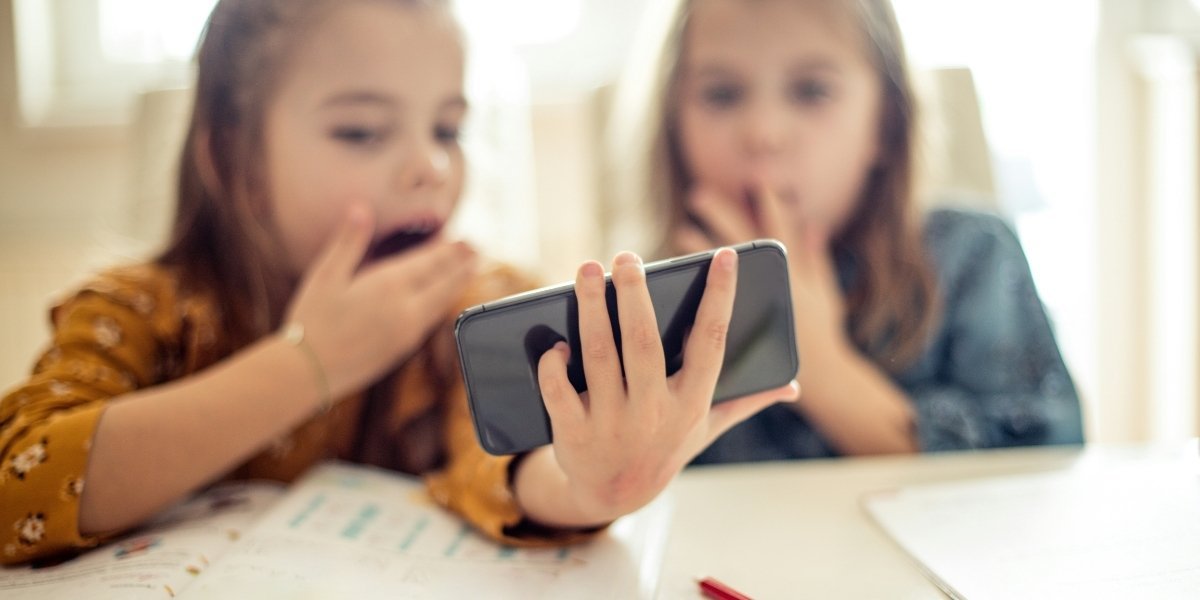
The House of Lords has voted to support a social media ban for under‑16s in the UK, passing the amendment by 261 votes to 150. This decision was made as part of the government’s Children’s Wellbeing and Schools Bill and reflects growing concern over the impact of online platforms on young people. The move has sparked widespread debate and is now set to return to the House of Commons for further consideration.
The Lords’ decision follows ongoing concerns about the effects of social media use on children’s mental health, including issues like anxiety, depression, and online bullying. While many young people engage with social media daily, the potential dangers that prolonged exposure can cause remain a key topic of discussion. The amendment, if passed, would mark a significant step in regulating children’s access to digital platforms.
Social media’s influence on children has been under scrutiny for years, with experts noting that extended screen time can lead to a variety of emotional and behavioral issues. This new proposal is intended to tackle these issues head-on, focusing specifically on under‑16s, a group deemed especially vulnerable to the pressures and dangers of online engagement. However, the amendment’s passage is far from the end of the discussion, as it must still be reviewed and potentially amended in the House of Commons.
Supporters Cite Mental Health Concerns and Online Harms
Supporters of the social media ban highlight research that links social media use to various negative outcomes for young people. Many point to studies showing increased levels of anxiety, depression, and sleep disruption among teenagers who spend prolonged periods online. Pediatricians and mental health professionals have added their voices to the call for stricter rules, emphasizing that children’s brains are still developing, making them more vulnerable to harmful online behaviors.
Research also indicates that young people’s sense of self-worth can be heavily influenced by social media, with platforms designed to maximize engagement often contributing to unhealthy comparisons and emotional strain. Teachers have voiced concern over the time students spend on social platforms during school hours, which affects their academic focus. Meanwhile, parents have also expressed their worries about their children’s mental health and how social media contributes to family tensions, particularly with issues such as digital addiction.
Medical experts agree that early exposure to the addictive patterns of social media can have long-term effects, which is why many believe regulating social media use is a necessary step in safeguarding children’s wellbeing. With the mounting evidence pointing toward the harmful consequences of unrestricted access to digital platforms, supporters believe that limiting access for under-16s would help protect them from the negative effects of excessive online engagement.
Challenges to Enforcement and Technological Feasibility
While the Lords’ vote has sparked support, critics of the ban point out several challenges that may hinder its enforcement. Age verification systems are expected to be a key obstacle, with questions raised about privacy, data security, and the technology needed to enforce such restrictions. Some critics worry that teenagers determined to access platforms could easily find ways around the system, rendering the ban ineffective.
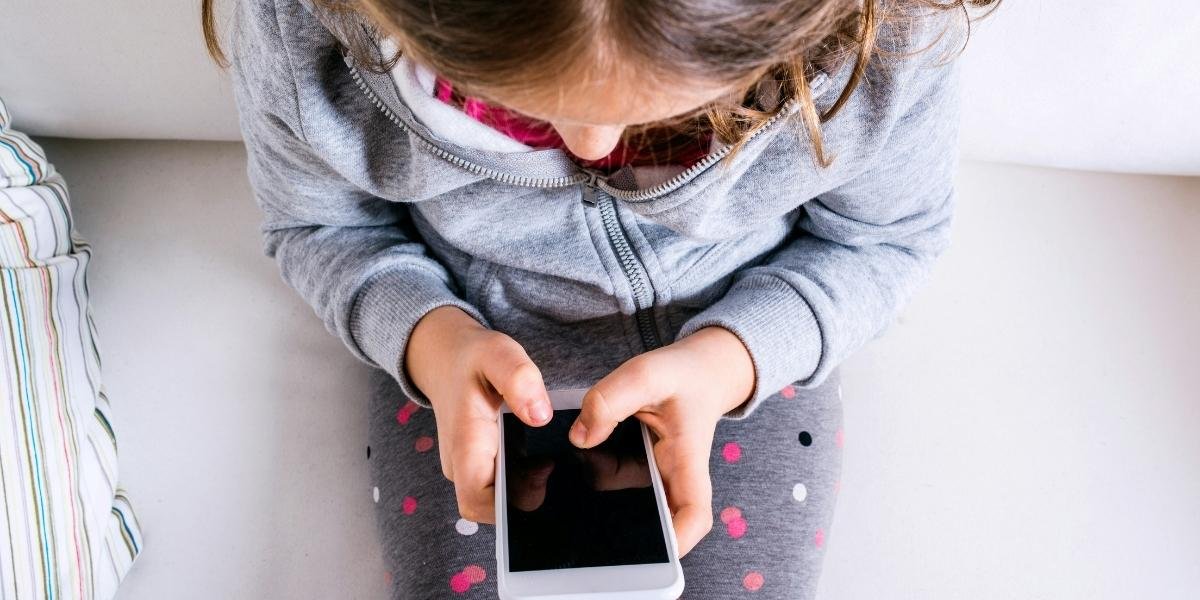
Photo Credit: Unsplash.com
Age verification mechanisms, which are crucial to ensure that under-16s cannot access social platforms, have been a point of contention. Some critics argue that requiring users to provide personal details to verify their age could raise concerns about privacy and data misuse. Others have questioned the feasibility of implementing such a system on a global scale, given that platforms like Instagram, Facebook, and TikTok serve billions of users across different countries and regions.
Others have argued that education should take precedence over restrictions. They suggest that teaching young people digital literacy and resilience could help them navigate online spaces safely without needing an outright ban. This approach would focus on empowering children to make informed decisions about their online behavior rather than relying on external restrictions to keep them safe. Proponents of digital literacy argue that fostering a better understanding of online spaces and promoting healthy habits could achieve the same result as banning social media.
International Precedents and UK’s Position
The UK is not alone in considering such measures. Australia implemented a similar social media age restriction law in 2025, which aims to protect children from online harms by blocking access for those under the age of 16. Supporters of the UK’s amendment have pointed to this international precedent as a reason for the UK to take similar action, positioning the country as a leader in child protection efforts.
While Australia’s law has sparked global attention, its effectiveness in curbing online harms is still being assessed. Still, it has provided an example for countries like the UK to explore similar legislation. Some experts suggest that the UK has an opportunity to refine and build upon Australia’s model to ensure the safety of children online without compromising their ability to engage with their peers or access educational content.
However, the government has not yet committed to the ban and has instead launched a public consultation on online harms and youth safety. The outcome of this consultation will likely influence whether the amendment in the House of Commons passes. The consultation has gathered insights from various stakeholders, including parents, educators, technology experts, and children’s rights advocates.
What’s Next for the Social Media Ban Amendment?
Following the vote in the House of Lords, the amendment now heads to the House of Commons, where ministers will attempt to overturn or modify it. The government has already indicated it plans to push for a consultation to explore alternative measures, such as curfews or limits on “doom-scrolling” habits. The Commons is expected to hold a heated debate over the future of this amendment.
The final outcome of the Commons debate will determine whether the social media ban becomes law. Early indications suggest that the issue will remain highly contentious, with some MPs expressing support for age restrictions and others questioning their feasibility. The government’s stance on the matter will likely shape the direction of this legislation.
Social Media Ban and the Future of Digital Access for Children
The Lords’ decision to back a social media ban for under-16s has brought the issue of online safety and regulation to the forefront of national discussions. If implemented, the ban could set a precedent for similar policies in other countries, especially as global awareness of online harms grows.
The debate surrounding the ban is likely to continue, with strong opinions on both sides. As digital platforms evolve and the risks they pose to young users become more evident, the UK government faces the difficult task of balancing protection with the freedom for young people to engage with technology responsibly.
The Lords’ vote has certainly elevated the discussion about social media and its role in the lives of young people. With further debates expected in the Commons, the future of social media access for under-16s remains uncertain. The outcome will be closely watched by both national and international observers.