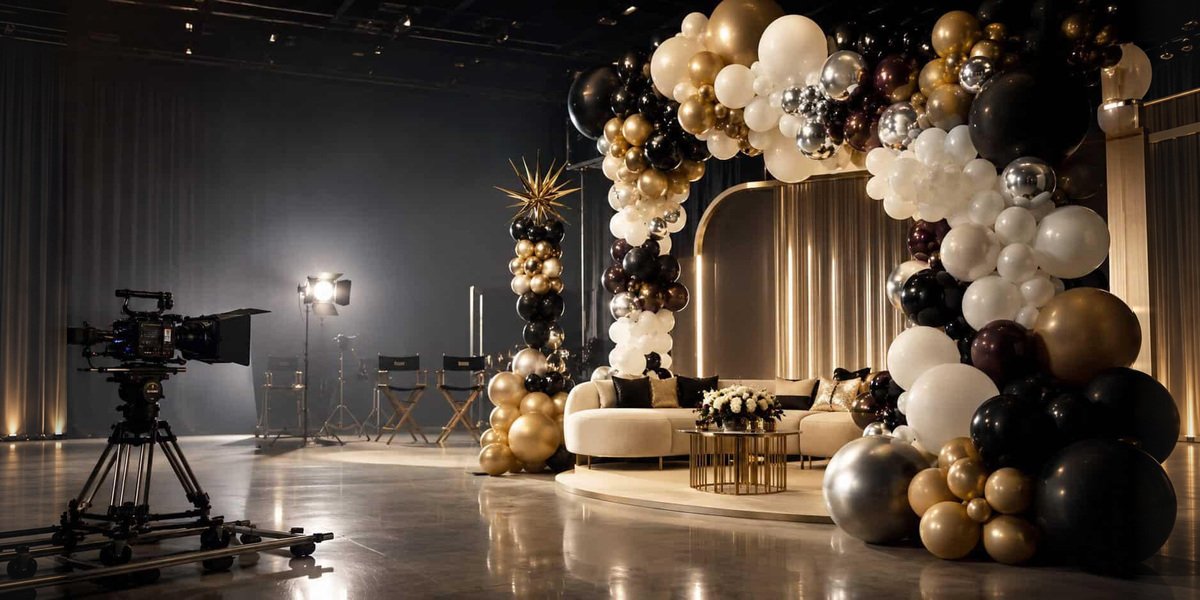
A business calling a decor company for a corporate event usually starts with a simple ask: get some balloons for the room. Partway through planning, that request tends to change shape. What the business actually needs isn’t someone to fill a corner with color, it’s an event production partner who can help manage part of the room itself, on a timeline that doesn’t wait for anyone to catch up.
The Word “Vendor” Undersells What Some of These Companies Actually Do
Calling a company an event decor vendor suggests a transaction: place an order, receive a product, done. That description fits some companies well. It doesn’t fit all of them, and the businesses that assume it does often find out the difference at the worst possible moment, mid-setup, with two hours before doors open.
Endless Events, an event-industry publication, draws a version of this same distinction: production work is about creating the overall vibe and emotion behind an event, not simply supplying pieces to a room. That’s a different job than delivery, even when the finished photos look similar. The distinction isn’t about which companies are more skilled. It’s about how much of the day they’re actually equipped to handle.
It Starts With What Happens Before Anything Gets Built

The difference shows up before a single balloon gets ordered. Sean Edwards, Founder of The Balloon Guy, a Los Angeles design studio, says the real split happens in the first phone call. “A vendor asks what colors you want and how many pieces,” Edwards says. “A production partner asks about the event itself: what’s the brand, what’s the venue actually like, and what does success look like for the day. Those are different conversations, and they lead to different outcomes.”
That first conversation sets the ceiling for everything that follows. A company that only answers questions about product specs is working from a narrower brief than one that’s trying to understand the whole event. Businesses rarely notice this gap until they’re already deep into planning and realize how many questions never got asked.
A Vendor Delivers to Spec; a Partner Designs From a Brief
Corporate event production almost always starts from a brief, not a catalog. A vendor takes a spec: this color, this size, this quantity, and fills it. A production partner takes a brand’s guidelines and a stated goal and designs something built around them, matched to exact color and logo specifications rather than pulled from a standard set of options.
That difference matters most when the brand itself is specific about how it looks. A catalog order can get close. A custom design, built from the actual brand assets, gets it right the first time instead of needing a round of corrections. A brand with strict Pantone requirements or a specific logo treatment notices the difference immediately, long before the event itself.
Installation Is Where the Difference Becomes Visible
On-site installation is where the gap between the two becomes obvious, even to someone who wasn’t paying attention to the planning conversations. A vendor drops off a delivery. A production partner sends a crew trained on the specific logistics of that venue: how to work around a loading dock schedule, how long a given installation actually takes to build safely, and how to tear it down without leaving a trace once the event ends.
That crew is also who handles the parts nobody plans for in advance: a doorway that’s narrower than expected, a ceiling height that changes the design, a security desk that needs a heads-up before anyone starts working. None of that shows up in a spec sheet. A business that only sees the finished photos rarely notices how much of that coordination happened before anyone ever saw the room.
What Happens When Something Changes Mid-Event
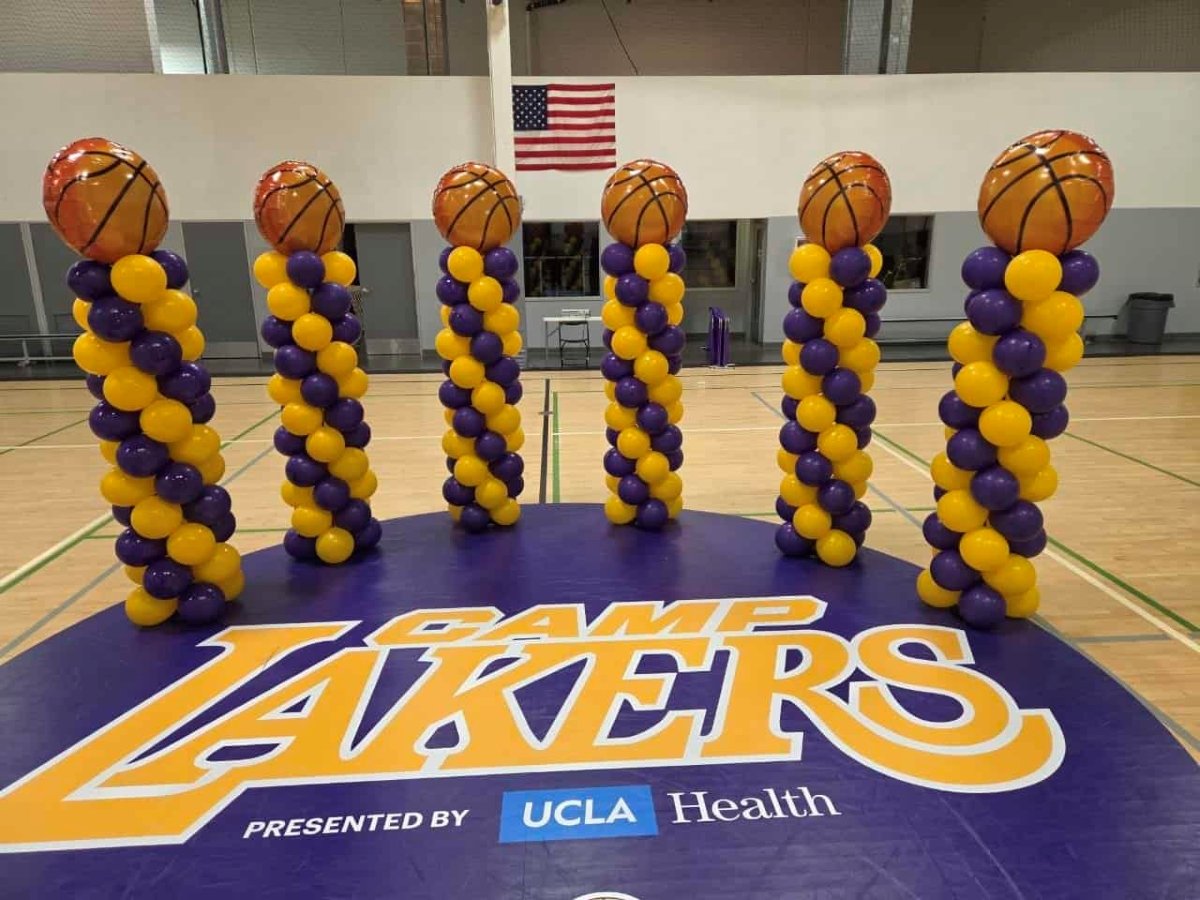
The clearest test of the distinction comes once the event is already underway. Edwards says that’s where the difference between a vendor and a partner actually gets proven. “Something always shifts on the day, the timing moves, the layout changes, the client wants something adjusted,” Edwards says. “A vendor is usually gone by then. A production partner is still there, and can actually do something about it.”
That kind of on-site direction, sometimes called technical execution and run of show in the production world, is what separates a company that’s finished its job at drop-off from one that stays accountable for how the day actually goes. That kind of coverage isn’t guaranteed by every company offering decor services, which is exactly why it’s worth asking about directly.
Why This Distinction Matters When Sourcing for a Corporate Event
The difference between a vendor and a production partner isn’t visible in how the finished installation looks in photos. It’s visible in how much of the event a company can actually be trusted to handle, before, during, and after the doors open.
Edwards, who has more than 15 years of experience managing corporate event installations, says the pattern is consistent regardless of the size of the event. For a business sourcing a decor company, the practical version of that lesson is straightforward: ask about the discovery process, the design approach, and what happens on-site before asking to see the portfolio.
A finished installation can look identical either way. What’s different is what happens if something goes wrong an hour before the room fills up.