By: Yapp Media
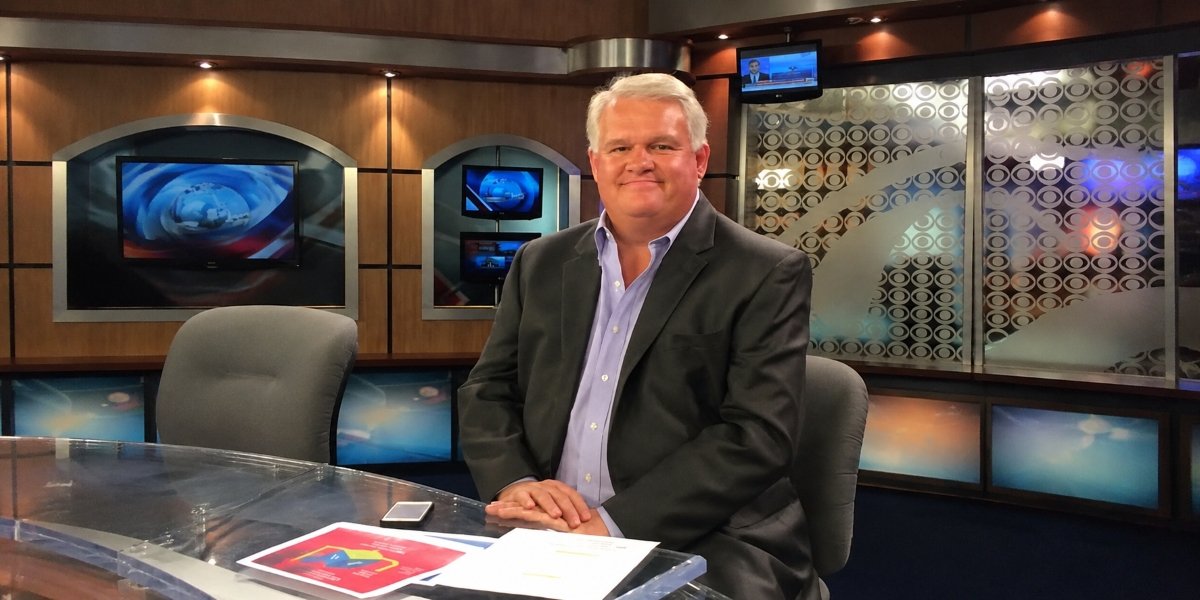
An Interview with Paul Szyarto, Transformation Strategist.
Reporter: Paul, you’ve spent more than two decades leading large-scale enterprise system transformations. What’s happening in this market right now?
Paul Szyarto: We’re at a turning point. Many legacy enterprise platforms that have powered business operations for decades are approaching the end of standard support. That reality is forcing organizations to confront a difficult choice: continue maintaining aging systems at rising cost, or invest in modernization.
This isn’t necessarily a purely technical shift. It’s often an economic one. Companies are being driven by cost pressures, risk management, and the growing realization that outdated systems may limit productivity. For the first time in many years, finance leaders are taking a more central role in these decisions because the financial implications are becoming increasingly clear.
The Economics Behind Modernization
Reporter: What economic factors are shaping these decisions?
Paul Szyarto: Three factors stand out.
First, the cost of inaction: Operating expenses for legacy systems rise every year. Custom code maintenance, aging infrastructure, and a shrinking pool of specialized talent drive costs up steadily. Skilled professionals with deep experience in older platforms are becoming scarcer, and that scarcity carries a premium. The longer organizations wait, the more costly modernization may become.
Second, the efficiency gap: Modern platforms allow for real-time data processing and analytics. Moving away from batch-based systems can help shorten reconciliation cycles, accelerate financial closes, and improve decision-making. Many organizations report improvements in reporting times by 20–30 percent and see measurable reductions in working capital requirements. These are potential economic returns.
Third, capital allocation pressure: In today’s high-interest environment, executives may value predictable cash flow. Subscription-based and cloud-oriented models can shift spending from capital investment to operating expenses. This could improve budget visibility and align costs with usage, which may be attractive to boards and investors focused on liquidity and resilience.
The Price of Standing Still
Reporter: Some companies are still hesitating. What happens if they delay?
Paul Szyarto: That’s where hidden costs emerge. When mainstream support ends, organizations typically face two options: pay higher fees for limited vendor support or rely on third-party maintenance providers.
While these approaches can keep systems running, they come with trade-offs:
- Limited innovation: Maintenance continues, but new functionality and security enhancements may be reduced.
- Regulatory exposure: As compliance requirements evolve, unsupported systems could fall behind.
- Rising technical debt: Delayed modernization could increase future complexity and costs.
- Talent shortages: Experts in older platforms are retiring, which may drive long-term support costs higher.
In the short term, these options may appear economical. In the long term, they might resemble maintaining aging infrastructure: expensive, restrictive, and strategically limiting.
Choosing the Right Modernization Path
Reporter: For organizations ready to modernize, how should they approach platform selection?
Paul Szyarto: It usually comes down to balancing control, cost, and complexity.
Standardized Cloud Models: These are often cost-effective and rely on predefined best practices. Infrastructure and upgrades are managed externally, lowering ownership costs, but customization may be limited.
Managed Private Environments: These offer greater flexibility and allow organizations to retain key custom processes while benefiting from cloud scalability. Many large enterprises tend to favor this approach because it reduces risk and supports gradual change.
On-Premise Deployments: Still relevant in highly regulated sectors, but economically challenging. They may tie up capital and offer limited agility.
From a financial perspective, standardized models favor efficiency, private environments support flexibility, and on-premise systems emphasize control. The right choice depends on regulatory needs and risk tolerance.
Integrated Transformation Programs
Reporter: Many vendors now offer bundled transformation programs. How do you view these economically?
Paul Szyarto: These programs package software, infrastructure, analytics, and managed services into unified contracts. The benefits include predictable pricing, simplified accountability, and faster access to new capabilities.
However, they aren’t suitable for all situations. Organizations with complex integrations or strict security requirements may find these arrangements restrictive. In some cases, contracting directly with infrastructure providers could offer greater flexibility.
The key is alignment with business strategy. These models seem to work well for organizations prioritizing speed and simplicity, but others may require more tailored approaches.
The Expanding Role of Finance Leaders
Reporter: Why are finance leaders so central to these projects today?
Paul Szyarto: Because modernization is now a balance-sheet issue, not just an IT initiative. Shifts from capital to operating expenses, changes in depreciation, and the cost of capital all flow through finance.
Today’s finance leaders are asking:
- What is the net present value of acting now versus waiting?
- How does subscription spending affect profitability metrics?
- Can infrastructure savings fund growth initiatives?
Successful transformations occur when finance and technology leaders share ownership. One defines agility, the other measures it. That alignment can turn enterprise systems into strategic assets.
The Road Ahead
Reporter: Where do you see the market going over the next few years?
Paul Szyarto: We’ll likely see a surge of late adopters approaching key support deadlines, which could strain consulting and implementation resources. There simply aren’t enough qualified professionals to support a last-minute rush.
By the end of the decade, most organizations will likely be operating on modern platforms or actively transitioning. Those that delay will face rising costs and diminishing returns.
In five years, integrated analytics, automation, and artificial intelligence are expected to be standard features of enterprise platforms. Legacy systems will still function, but they may feel economically outdated.
The Strategic Imperative
Reporter: What’s your advice to executives who remain undecided?
Paul Szyarto: Don’t treat this as a software upgrade. Treat it as a business model evolution.
Enterprise systems shape how organizations operate, measure performance, and grow. Modernization isn’t about installing new tools. It’s about redesigning how information flows.
Delaying buys time, not value. Acting strategically buys visibility, adaptability, and resilience.
Put simply:
- Legacy platforms delivered transactional efficiency.
- Modern platforms deliver decision-making efficiency.
Organizations that understand this difference are likely to outperform their peers.
Final Thought
Reporter: Any final reflections?
Paul Szyarto: The question isn’t whether modern platforms are technically mature. It’s whether organizations are prepared to compete in a real-time economy.
Companies can postpone change and absorb rising maintenance costs, or they can use this transition to rethink how they work. Today, the biggest risk isn’t adopting new systems. It’s delaying when the economics no longer support standing still.
Transformation is no longer optional. It’s a matter of long-term competitiveness.
About the Expert
Paul Szyarto is a veteran enterprise transformation leader, author, and business strategist with more than 20 years of experience guiding large organizations through system modernization initiatives. His work focuses on aligning technology investments with measurable business value.