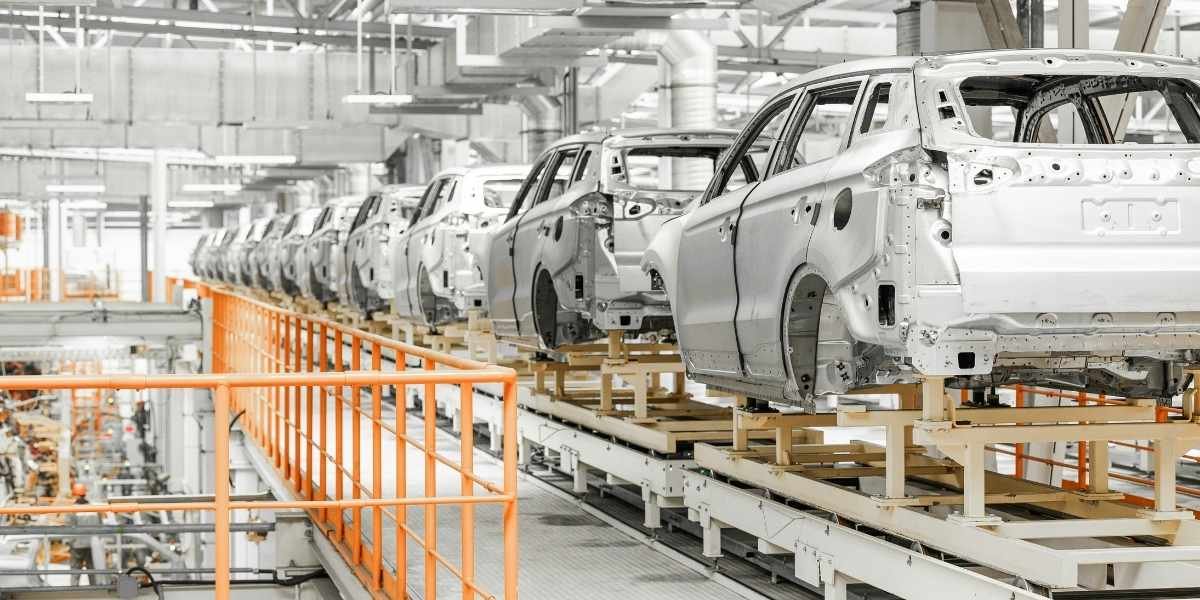
The U.S. auto industry is responding to a changing policy environment as automakers evaluate supply chains, production networks, and investment plans following the implementation of new tariff measures and expanded domestic manufacturing incentives. Major vehicle manufacturers and suppliers are reviewing sourcing strategies and factory operations as federal policies place greater emphasis on production within the United States.
Recent trade actions and industrial policy initiatives have increased attention on where vehicles and components are manufactured. Companies with extensive international supply networks are assessing how evolving regulations may affect costs, production efficiency, and market access. The developments come as the automotive sector continues to navigate a period of technological transition, changing consumer demand, and heightened competition.
Federal policymakers have promoted domestic manufacturing through a combination of tariffs, tax incentives, and investment programs designed to strengthen industrial capacity. These measures have encouraged automakers to expand production activity within the United States while also prompting broader reviews of global operating models.
U.S. Auto Industry Responds to New Manufacturing Priorities
Automobile manufacturers operating in North America have increasingly focused on domestic production as policy initiatives create incentives for local investment. Companies including General Motors, Ford Motor Company, and Stellantis have announced manufacturing projects in recent years that align with efforts to expand vehicle assembly and component production within the United States.
The emphasis on domestic capacity extends beyond vehicle assembly plants. Battery production facilities, semiconductor investments, and parts manufacturing operations have become central elements of long-term industry planning. Automakers have sought to secure access to critical materials and technologies while meeting eligibility requirements associated with federal incentive programs.
Many manufacturers have also reevaluated procurement strategies to determine whether sourcing activities can be shifted closer to final production facilities. Such efforts are intended to improve supply-chain resilience while reducing exposure to policy-related trade costs.
Industry participants have indicated that manufacturing location decisions are increasingly influenced by regulatory considerations in addition to traditional factors such as labor availability, transportation infrastructure, and market demand. As a result, production planning has become more closely linked to public policy developments than in previous decades.
Supply Chain Networks Face Structural Changes
The automotive sector has long relied on highly integrated international supply chains spanning North America, Europe, and Asia. Components used in a single vehicle often cross multiple borders before final assembly, reflecting decades of globalization and specialized production.
New trade measures have prompted companies to review these arrangements. Manufacturers are examining supplier relationships, logistics networks, and sourcing agreements to determine whether adjustments are necessary under changing tariff structures.
Some suppliers have responded by exploring new production locations within the United States or neighboring markets. Others are assessing opportunities to increase domestic content in order to meet regulatory requirements and reduce exposure to import-related costs.
The process involves significant operational considerations because automotive supply chains consist of thousands of components sourced from numerous countries. Even modest changes in sourcing strategies can require extensive coordination among manufacturers, suppliers, and logistics providers.
Automakers Balance Domestic Investment and International Operations
While domestic manufacturing has received greater policy support, automakers continue to operate within a global industry framework. Major manufacturers maintain production facilities, research centers, and supplier partnerships across multiple regions.
Companies must balance investments in the United States with the need to serve international markets efficiently. Vehicle demand varies significantly across regions, requiring manufacturers to maintain production footprints that support customers in Europe, Asia, Latin America, and other markets.
International operations remain important sources of revenue for many automotive companies. As a result, business decisions related to production allocation and capital spending often reflect both domestic policy incentives and global commercial considerations.
Manufacturers are also managing the transition toward electric vehicles, which introduces additional supply-chain requirements. Battery materials, processing capabilities, and advanced technologies frequently involve international sourcing relationships that remain difficult to replicate entirely within a single market.
Corporate planning teams continue to evaluate how trade policies may influence future investment decisions. Factors such as market access, production costs, regulatory compliance, and technological development all play roles in determining where companies deploy resources.
Government Incentives Shape Industry Investment Decisions
Federal programs supporting domestic manufacturing have influenced capital allocation across the automotive industry. Incentives tied to vehicle production, battery manufacturing, clean energy technologies, and advanced industrial development have encouraged companies to expand U.S.-based operations.
Several states have also introduced programs aimed at attracting automotive investments. Economic development initiatives have targeted new factories, battery facilities, research centers, and supplier operations through tax incentives, infrastructure support, and workforce development programs.
These efforts have contributed to a wave of announced manufacturing projects across regions including the Midwest and the Southeast. Communities with established automotive traditions have competed alongside emerging manufacturing hubs to secure new investments.
The availability of incentives has become a key consideration in site selection decisions. Manufacturers evaluating future projects frequently compare policy environments across jurisdictions before determining where facilities will be located.
At the same time, companies must assess long-term economic viability. Investment decisions typically involve planning horizons measured in decades, making regulatory stability and policy predictability important factors for corporate leaders.
Automotive executives continue to monitor developments affecting manufacturing incentives and trade regulations as they prepare future production strategies.