By: Jay Kt
Most donors give because they want to help. The intent is genuine. But good intentions and a generous check don’t automatically produce lasting results. Some well-funded organizations struggle to deliver on their promises, while smaller ones with sharper focus and stronger operations often achieve more. The difference is rarely the dollar amount. It’s the infrastructure behind it.
3W Philanthropic Ventures, a multidisciplinary advisory firm, operates at that intersection, where charitable purpose meets financial and operational reality. The firm doesn’t fit neatly into a single advisory category. Rather than replacing the attorneys, tax professionals, and investment advisors clients already rely on, 3W works alongside them, bringing coordinated expertise to families and organizations trying to make philanthropy work, structurally and over time.
The firm’s perspective is direct: effective giving requires more than generosity. It requires the right financial architecture, clear governance, and an honest look at what an organization can realistically sustain.
When More Money Isn’t the Answer
One of the most useful questions in philanthropy is also one of the least comfortable: What would change if this organization had more money tomorrow?
If the honest answer is “we’d do more of what already works,” then flexible funding is likely the right tool. But if the answer is “we’d still struggle to deliver it well,” more funding alone won’t solve the problem. The better investment is probably in leadership, infrastructure, or operations.
3W Philanthropic Ventures sees this as a useful place for donors to start. The approach involves looking at the full picture before committing resources: staff turnover patterns, clarity of priorities, whether results have improved alongside past funding increases, and what happened with earlier grants. Taken together, these signals tell a more complete story than any financial statement.
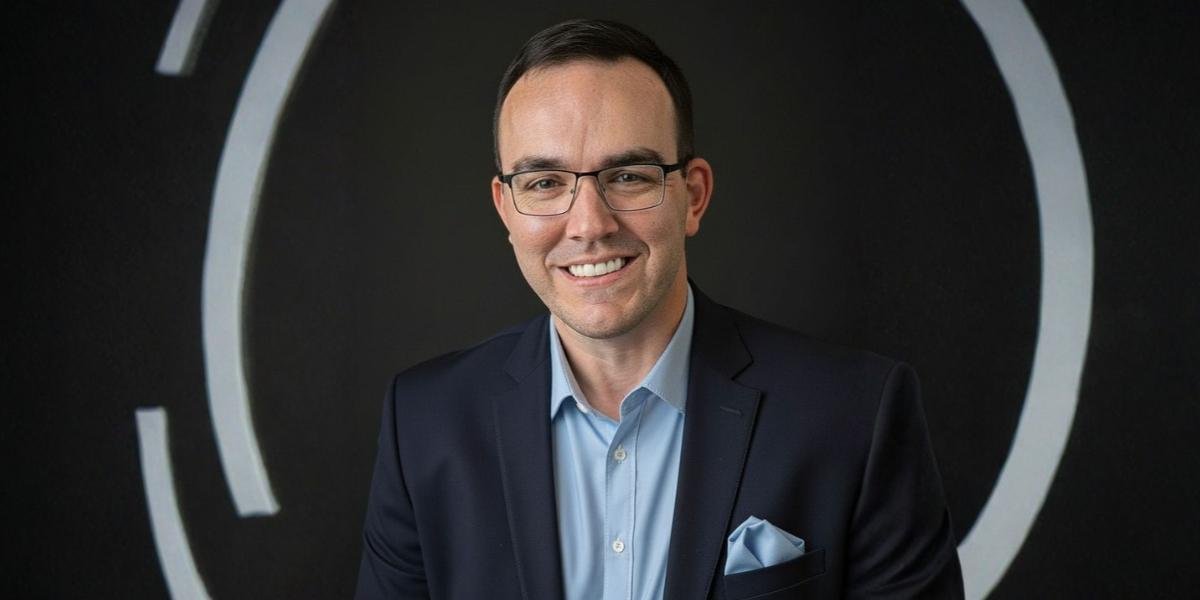
“Organizations that mainly need more funding usually show a consistent pattern,” explains Dan Bolsen, cofounder and chief executive officer of 3W Philanthropic Ventures. “They achieve strong results, demand exceeds capacity, and leaders can explain clearly how additional resources would be used. Other patterns point elsewhere.”
Conversations with staff, board members, partners, and the people an organization serves tend to add context that numbers alone can’t capture. When the underlying issue is not money, funders can sometimes help more through support for leadership development, strategic planning, or operational improvements, offered as a partnership rather than a condition..
The Real Cost of a Restricted Gift
Restricted funding, a grant tied to a specific program or initiative, has real appeal. It gives donors a direct line between their dollars and a defined outcome. It can launch something new or sustain a focused project. But nonprofit leaders often absorb costs that restricted gifts don’t cover, and that gap compounds quietly over time.
Through its focus on philanthropic planning and advisory services, 3W Philanthropic Ventures encourages nonprofit leaders to ask several important questions before accepting a major restricted contribution.
- Does the gift align with the organization’s existing strategy, or does it pull resources toward something peripheral?
- Does the funding cover the full cost of delivery, including staffing, administrative support, and reporting requirements?
- What happens when the funding ends, and can the program be sustained without it?
- Does the organization have the operational capacity to meet the donor’s timeline and reporting expectations?
These aren’t reasons to decline a gift. They’re reasons to have the conversation early. As Bolsen notes, “Many donors are open to adjusting terms when the conversation happens early.” Because restrictions can be legally binding, the terms should be documented clearly in a gift agreement, with legal counsel and auditors consulted when the details are complex.
Unrestricted funding works differently. It gives an organization the flexibility to cover real operating costs, invest in its people, and respond to shifting needs. It signals trust. The tradeoff is that donors have less direct visibility into where their specific dollars went, which makes it better suited to organizations with sound governance and a track record of clear, honest reporting.
The Risk of Depending on a Few Large Donors
A single major donor can feel like a gift and a vulnerability at the same time. Boards that haven’t thought carefully about funding concentration often discover the risk at the worst possible moment, when that donor’s giving changes.
3W treats donor concentration as a matter of governance, not just fundraising. Boards should regularly review what percentage of annual revenue comes from any single donor or small group of donors. Many set internal thresholds. A clear gift acceptance policy gives leaders a consistent, mission-based framework for evaluating large opportunities before the pressure of a specific decision arrives.
The longer-term work involves building a broader individual donor base, cultivating multiyear commitments, and maintaining reasonable reserves. It also means having candid conversations with major donors about the organization’s independence. This might feel counterintuitive, but as Bolsen notes, “thoughtful donors tend to welcome this, since most want the organizations they support to remain strong even if their own giving changes.”
The same thinking applies on the donor side. Concentrating on a small number of organizations makes sense when a donor has strong conviction and can give at a scale that matters to those organizations. Spreading support across many causes makes more sense when a donor values flexibility or is still learning where they want to focus. Many donors find a middle path: a core group of deeper, longer-term commitments alongside a smaller portion set aside for responsive giving.
Preparing for Uncertainty Before It Arrives
Economic uncertainty doesn’t announce itself. Organizations that handle downturns well typically aren’t the ones that react fastest. They’re the ones that prepared before conditions changed.
3W emphasizes that financial resilience is built in advance. That means holding reasonable reserves, monitoring cash flow consistently, and running through realistic scenarios before a crisis makes scenario planning urgent. What would a 20 percent drop in giving mean operationally? What if demand from the community the organization serves increased at the same time?
Revenue diversification matters here. Organizations that draw support across individual donors, foundations, and earned income reduce their exposure to any single pressure point. No single category has to carry the whole weight.
Communication is equally important. “Sharing honest updates with donors, partners, and staff early tends to preserve trust and often brings flexibility in return,” Bolsen says. Leaders who are transparent about difficulty often find their donors and partners willing to adapt. Those who go quiet tend to lose both trust and support at the moment they need them most.
The firm also advises leaders to decide in advance which commitments are essential. If difficult choices do arrive, that prior thinking protects the core work the community depends on, rather than leaving those decisions to be made under pressure.
Why 3W Philanthropic Ventures Treats Infrastructure as the Work
Philanthropy has qualities that other funding sources rarely do: flexibility, patience, and a risk tolerance. That combination makes it well suited to testing new approaches before they’re ready for public funding, sustaining local organizations that are close to the communities they serve, and filling gaps that government budgets and traditional markets leave open.
But those qualities only translate into meaningful impact when the underlying structure supports them. A family committed to multigenerational giving needs governance that outlasts any single decision-maker. A foundation making large gifts needs clarity about what its funding can actually accomplish. An organization accepting a major contribution needs honest answers about whether it can deliver on what the donor expects.
3W Philanthropic Ventures builds toward that kind of clarity through its coordinated approach to philanthropic strategy, bringing legal, financial, and operational considerations into the same conversation rather than treating them separately. It helps families and organizations ask better questions before commitments are made, and it works to make sure the answers are grounded in what’s possible.
Philanthropy’s most meaningful role, Bolsen says, “is often to fill gaps, demonstrate what works, and help good ideas reach the point where broader systems can adopt them.” Doing that well requires more than a good cause and available capital. It requires infrastructure designed to last.
Disclaimer: This article is for informational purposes only and does not constitute legal, financial, or tax advice. Readers should consult qualified legal, financial, and tax professionals regarding their specific circumstances and planning needs.