
How publishing and author branding help business leaders turn expertise into long-term market authority
For entrepreneurs, executives, consultants, and professional service providers, a book is no longer just a creative achievement. It has become a long-term asset of authority that can support credibility, client trust, speaking opportunities, media visibility, and brand positioning long after a marketing campaign has ended.
In a business environment where attention moves quickly and digital content disappears within hours, a well-developed book gives leaders something more durable. It organizes their knowledge into a clear point of view. It gives potential clients a deeper reason to trust their expertise. Most importantly, it allows a founder or professional to be remembered for an idea, not just a service.
That shift is why more business owners are treating publishing as part of their brand strategy rather than a side project. With professional book publishing services, entrepreneurs can move from a raw manuscript or business concept to a polished title that reflects their positioning, audience, and long-term goals.
A Book Gives Business Expertise a Permanent Form
Many leaders spend years building knowledge through client work, company growth, personal experience, and industry observation. The challenge is that much of this expertise remains scattered across calls, presentations, social posts, webinars, and internal conversations. A book turns that scattered knowledge into a structured body of work.
This matters because authority is not built only by being visible. It is built by being clear. A business book forces an author to define what they believe, who they serve, which problems they solve, and why their perspective is different. That clarity can influence far more than book sales. It can shape how the author speaks, sells, advises, and leads.
For a consultant, a book can explain a proprietary method. For a founder, it can communicate a company’s philosophy. For a coach, it can serve as the foundation for programs, workshops, and client conversations. For an executive, it can document leadership lessons that create value beyond one organization.
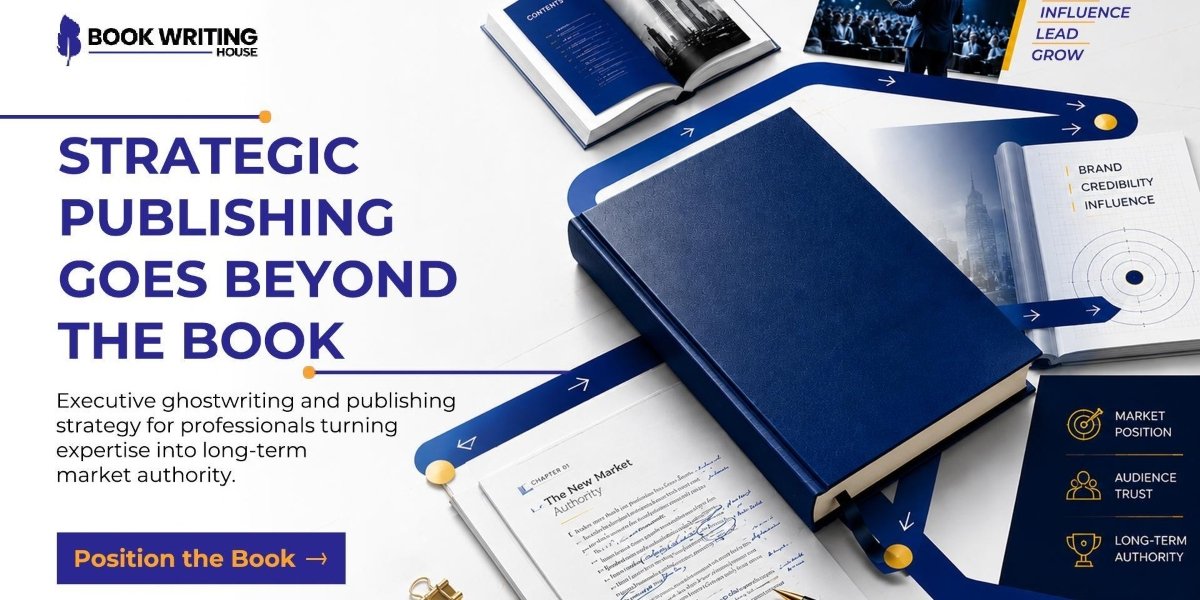
The Business Value of Publishing Goes Beyond the Book
A strong business book does not work in isolation. It becomes part of a wider ecosystem. It can support a media pitch, strengthen a speaker’s profile, improve sales conversations, create interview content, and give a brand a more intellectual foundation.
This is where publishing becomes a business decision. A book may not generate immediate revenue like an ad campaign, but it can build long-term trust. When a prospect is comparing experts, a published book can act as a credibility signal. When a company wants to educate its market, the book can become a reference point. When a professional wants to move from service provider to thought leader, the book can become proof of depth.
That is why the most effective books are not created only to exist on Amazon or a personal website. They are created to support a larger authority strategy. The title, subtitle, structure, cover, positioning, and distribution plan all affect how the book is perceived in the market.
Why Author Branding Matters After Publishing
Publishing the book is only one part of the process. The next question is whether the market understands who the author is and why their ideas matter. Author branding connects the book to the professional behind it.
A strong author brand helps readers understand the author’s expertise, values, voice, and promise. It also helps the book become useful across multiple channels: LinkedIn content, podcast appearances, press features, speaking engagements, email campaigns, and business development conversations.
For many business authors, the goal is not simply to sell copies. The goal is to become more recognizable, trusted, and referable. That requires consistency. The book’s message should match the author’s website, media bio, social presence, service positioning, and public-facing content. When these elements work together, the author becomes easier to remember and easier to recommend.
Book Writing House supports this broader path through author branding and book marketing strategies that help authors strengthen visibility for their work.
Professional Support Helps Protect the Value of the Idea
Many entrepreneurs and professionals have strong ideas but limited time to turn them into a complete book. Others have a manuscript but need help shaping it into a commercially credible title. The gap between expertise and publication is often not a matter of talent. It is a process.
A business book requires more than writing. It needs strategic structure, developmental review, editing, formatting, cover direction, publishing support, and a plan for reaching the right readers. Without that process, even a valuable idea can feel unfinished or fail to connect with its intended audience.
Professional publishing support helps protect the idea from being weakened by poor organization, inconsistent tone, generic positioning, or technical publishing mistakes. It also gives authors a clearer path from concept to finished product. For busy business owners, that kind of support can make the difference between wanting to publish someday and actually bringing a book to market.
A Book Can Extend a Brand’s Shelf Life
Digital marketing has trained many businesses to think in short cycles: campaign launches, weekly posts, monthly reports, and quarterly targets. A book works differently. It gives a brand a longer shelf life.
A well-positioned title can continue to introduce the author to new audiences years after publication. It can be shared with clients, gifted to partners, referenced in interviews, used in training, quoted in presentations, and repurposed into articles, videos, workshops, and newsletters. In that sense, the book is not only a product. It is a content engine.
This long-term utility is especially valuable for professionals in competitive fields. When services look similar from the outside, a book gives the author a more distinct intellectual identity. It helps answer the question every market quietly asks: why should we listen to you?
The Future of Business Publishing Is Strategic
The rise of self-publishing has made it easier to publish a book, but easier does not always mean more effective. The market is crowded, and readers are selective. Business leaders who want their books to create authority must think beyond production. They must think about positioning, message, audience, quality, and brand alignment.
That is why the strongest business books are often built with a strategic objective from the beginning. They are not written only to tell a story. They are written to support a business model, clarify a leadership philosophy, educate a market, or open doors to new opportunities.
For entrepreneurs, executives, and experts who have something meaningful to say, a book can become one of the most durable assets in their professional ecosystem. It can turn experience into authority, authority into visibility, and visibility into long-term brand value.
In a marketplace full of temporary attention, the right book gives a leader something rare: a lasting platform for their ideas.