Economic Insider

Paul Davis Restoration of Livonia/Farmington Brings Rapid, Full-Service Property Recovery to Metro Detroit

Livonia and Farmington Homeowners and Businesses Gain a “Start-to-Finish” Restoration Partner

When property damage turns life upside down, the first few hours can set the tone for everything that follows. Water intrusion, fire and smoke damage, storm impacts, and unexpected accidents can leave homeowners and business operators scrambling to make decisions under pressure, often while coordinating with insurance carriers and trying to protect what matters most.

In Metro Detroit, Paul Davis Restoration is strengthening that first-response experience with a local operation built around speed, clear communication, and full reconstruction capabilities. Through Paul Davis Restoration of Livonia/Farmington, area residents and commercial property managers can access a team designed to move quickly from emergency mitigation through cleanup and rebuilding, with fewer handoffs and fewer unknowns along the way.

A Local Team Backed by a National Standard

Paul Davis Restoration of Livonia/Farmington combines the reach and process discipline of an established national brand with a community-first approach in Southeast Michigan. The team operates locally, hires from the communities it serves, and builds long-term careers through training and leadership development. That local foundation is paired with professional credentials and job-site standards that customers and insurance partners rely on during complex losses.

The operation serves a compact coverage area from Livonia/Farmington to Detroit with strong highway access, which supports rapid arrival times and steady coordination across multiple neighborhoods. For property owners, the value is straightforward: a single restoration partner that can act quickly, communicate clearly, and remain accountable from the first phone call through the final walkthrough.

Fast Response When Minutes Matter

Property damage does not wait for business hours, and a delayed response can worsen repairs, disrupt operations, and increase costs. Paul Davis Restoration of Livonia/Farmington offers 24/7 emergency response, with a goal of being on site within two hours when conditions require immediate action. That “first on site” philosophy is built to reduce secondary damage and start stabilization work before small issues become major structural problems.

Speed, however, is only helpful when it is matched with calm leadership. In high-stress situations, customers often need someone who can clearly explain the next steps, set expectations, and keep the process moving. The Livonia/Farmington team emphasizes proactive updates and practical guidance so property owners are not left guessing about timelines, scope, or responsibilities.

From Mitigation to Reconstruction, One Coordinated Process

Many restoration providers focus primarily on mitigation, drying, and cleanup, then refer reconstruction elsewhere. That can lead to gaps in responsibility, scheduling delays, and repeated explanations of the same story to multiple vendors.

Paul Davis Restoration of Livonia/Farmington is structured to provide full service through the reconstruction phase. That includes emergency stabilization, cleanup, documentation, and rebuilding work, all coordinated under one team and one plan. The result is a smoother project flow, fewer repeated site visits, and clearer accountability for quality and schedule.

Help Navigating the Insurance Process

For many property owners, the most frustrating part of a loss is not the damage itself, but the unfamiliar administrative process that follows. Insurance terminology, required documentation, and approval steps can feel opaque, especially when a family is displaced or a business is trying to reopen quickly.

The Livonia/Farmington team supports customers by helping manage insurance-related steps and keeping the project organized. With clear updates and consistent communication, the goal is to make the overall experience feel less like a maze and more like a guided path toward resolution.

Technology and Training That Reduce Delays

Strong outcomes are built on more than good intentions. Paul Davis Restoration of Livonia/Farmington focuses on ongoing training and modern tools that improve consistency, speed, and reporting. Team members hold recognized industry credentials and maintain process discipline that supports accurate assessments, efficient mitigation, and reliable reconstruction timelines.

For insurance carriers and property owners alike, this commitment helps reduce surprises, streamline coordination, and keep work moving in the right direction.

Built for the Work Others Often Avoid

Not every restoration job is straightforward. Some situations require specialized capability, additional sensitivity, or a willingness to serve customers who have limited resources and support.

Paul Davis Restoration of Livonia/Farmington actively works to fill gaps where need is high, and options are limited, including specialized cleanup categories and challenging project environments. This approach is part of the operation’s community commitment and its focus on being a dependable resource when conditions are difficult.

Biohazard and Specialty Cleanup

Certain events, including biohazard situations, require specialized handling, strong procedures, and a respectful approach. In these cases, professionalism and discretion matter as much as technical skill. The Livonia/Farmington team is building capability in categories where many providers are hesitant to invest, helping customers and local partners access qualified support when it is most urgently needed.

Support for Underserved Zip Codes

Property damage does not discriminate by income level, but access to responsive service often does. In some lower-income zip codes across Metro Detroit, homeowners may have fewer resources, less insurance coverage, or limited guidance on how to move forward.

Paul Davis Restoration of Livonia/Farmington recognizes the reality of that gap and works to serve customers who may otherwise be left without a clear path to recovery, offering practical communication and structured support through a challenging time.

Service That Stays Human, Even in High-Stress Moments

Restoration work is technical, but it is also personal. People are often dealing with fear, fatigue, and uncertainty while trying to make decisions quickly. The Livonia/Farmington team brings a service culture focused on empathy, clear answers, and consistent updates so customers are not “lost in the process.”

That focus shows up in customer feedback. One homeowner, Bobby, shared: “The team at Paul Davis was amazing! They arrived faster than expected. Took great care of my home. And are very professional. Thank you so much!! Definitely recommend.” Another customer, Brendan, noted that after a broken window during cold weather, the team “ensured we were taken care of before, during, and after the process,” reinforcing the operation’s emphasis on follow-through and communication.

In addition to restoration specialists, the team draws on varied professional backgrounds that strengthen the customer experience, including customer service expertise and leadership experience in high-expectation environments. That mix supports a process designed to be decisive, organized, and steady, even when the situation is anything but.

For those who want a closer look at the team’s approach and local project updates, Paul Davis Restoration of Livonia/Farmington shares educational content and restoration insights on its YouTube channel and posts community and service updates on its Facebook page.

How to Learn More

Paul Davis Restoration of Livonia/Farmington provides emergency response, cleanup, and reconstruction services for residential and commercial properties across the Metro Detroit area. With around-the-clock availability, a rapid on-site goal, and a coordinated start-to-finish approach, the team is positioned to help customers move from disruption to stability with fewer complications and clearer communication.
Shaping the Future: LEAD Development’s Year of Building Communities in Abu Dhabi

Abu Dhabi, UAE – January 2026

As 2025 ends, LEAD Development reflects on a year of achievements centered on one clear goal: creating people-focused communities. Since its start in 2010, LEAD has worked hard to build special places that add lasting value to the UAE. Their projects now total over AED 30 billion in value.

Throughout the year, LEAD has turned big dreams into real communities. The company stands on six main values: Entrepreneurship, Integrity, Accountability, Innovation, Delivery, and Excellence. These are more than just words; they guide every project. For LEAD, making a home goes beyond construction; it is about bringing together nature, well-being, and shared areas so people feel connected and at ease.

This year, much effort has gone into making large residential areas inviting and convenient. These communities encourage walking, have lots of green parks, and offer nearby services. LEAD’s plan is simple: help residents feel comfortable, safe, and part of a real neighborhood.

Jubail Island: A Leading Waterfront Development in Abu Dhabi

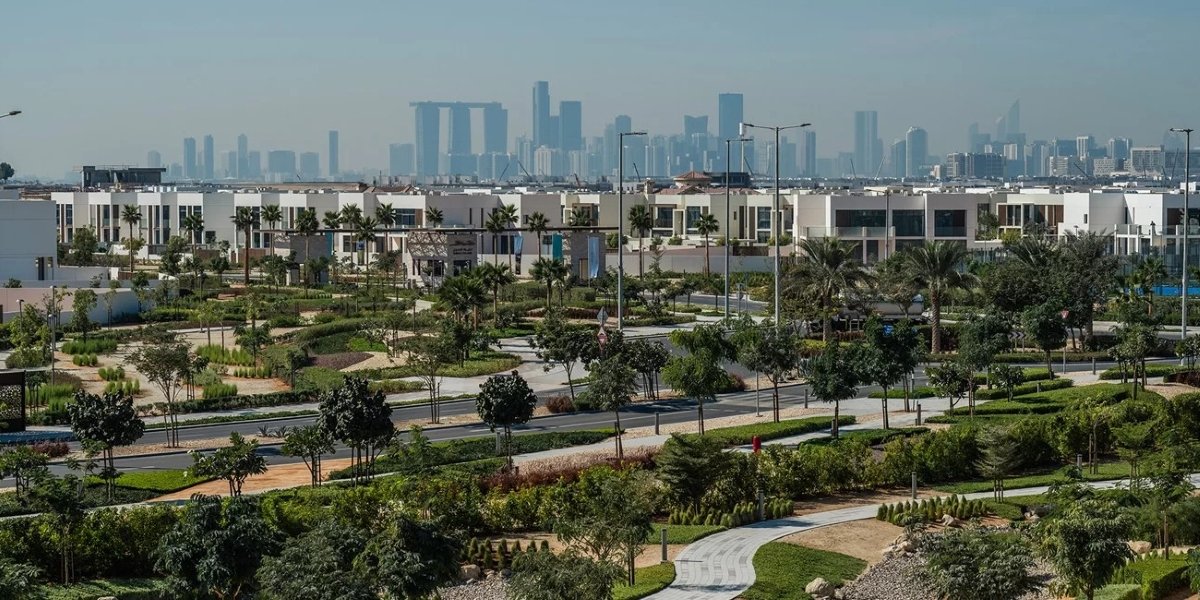
One of the biggest highlights this year is Jubail Island. It’s now known as one of the finest waterfront developments in Abu Dhabi. Located between Yas Island and Saadiyat Island, this AED 15 billion project covers 4,000 hectares and is home to mangrove forests and peaceful coastlines. Jubail Island is proof that luxury living and respect for nature can go hand in hand.

This year, several parts of the island’s master plan became reality. The island features six unique villages: Marfaa Al Jubail, Nad Al Dhabi, Seef Al Jubail, Ain Al Maha, Souk Al Jubail, and Bada Al Jubail. Each one offers different home types and shared spaces, including parks, waterfront walkways, boat marinas, and big green zones for relaxing and meeting with neighbors.

A standout attraction is Jubail Mangrove Park. It gives residents a chance to kayak and stroll along wooden boardwalks in the heart of nature. This focus on outdoor life helps everyone to stay active and connect with the environment. With its balance of coastal living and fun, Jubail Island is a peaceful escape within the city.

Commitment to the Environment

Caring for the planet is key to LEAD Development. The company proudly supports the UAE Green Agenda 2030, aiming for a greener country. A big step is planting one million mangrove trees on Jubail Island. These trees clean the air and provide a safe place for wildlife.

Every LEAD project is held to high environmental standards. On Jubail Island, designs focus on energy saving, reducing water use, and picking building materials that are gentle on nature. This commitment sets LEAD apart as a responsible company. As one of the premier real estate developers in Abu Dhabi, LEAD aims to lead by example for others in the industry.

Covering Every Step

LEAD Development manages every stage of its projects. They are with each community from the first sketch to the final sale, and even manage the property after residents move in. This comprehensive approach means quality is checked at every step, reducing risk for investors and ensuring communities remain great places to live for years to come.

Jubail Island is a major part of their work, but LEAD also has many other well-known projects. These include Hidd Al Saadiyat on Saadiyat Island and the Waldorf Astoria DIFC in Dubai. These examples show how LEAD can create ideal homes, offices, and mixed-use spaces that feel right at home in their settings.

Looking Forward

After such a strong year, LEAD Development is excited for what comes next. The company will keep working to improve its communities and add even more thoughtfully designed places to Abu Dhabi. They also stick to strict standards for safety and quality, making sure they always deliver the best.

LEAD’s main goal stays the same: taking great ideas and turning them into real places where people love to live. They are helping to build a happier, more sustainable future for all.

Contact Info:
Name: Senda Rihani
Email: senda.rihani@leaddevelopment.ae
Organization: LEAD Development
Website: https://leaddevelopment.ae/

U.S. Core Capital Goods Orders Up for Fifth Month in a Row

Orders for core capital goods in the U.S. rose by 0.7% in November 2025, marking the fifth consecutive monthly increase. According to the latest data from the U.S. Commerce Department, this continued growth suggests that businesses are maintaining steady spending on equipment, despite broader economic challenges. The rise in core capital goods orders, which excludes defense and aircraft, signals confidence in future demand and a steady outlook for manufacturing activity moving into early 2026.

The latest figures exceeded expectations, reinforcing the view that companies are preparing for sustained activity in the months ahead. Core capital goods orders are seen as a key indicator of business sentiment, as they reflect spending on machinery, equipment, and technology crucial for production capacity.

Key Categories Lead the Growth

The Commerce Department’s report highlighted gains across several important categories, including machinery, computers, and electronic products. These sectors are integral to production capacity, and the increase in orders suggests that businesses are prioritizing operational readiness in preparation for future demand. The growth in core capital goods orders indicates a continued commitment to modernizing production capabilities despite the challenges of rising borrowing costs.

Shipments of core capital goods also saw an increase, underscoring that these orders are not just theoretical but are translating into actual economic activity. The data aligns with broader expectations that spending on equipment will continue to contribute positively to the U.S. economy in the short term.

Business Spending Remains Resilient

The steady growth in core capital goods orders contrasts with concerns about higher borrowing costs, which typically weigh on business spending. However, companies appear to be prioritizing long-term operational capacity despite the elevated costs of financing. This resilience in business spending is encouraging as it reflects confidence in sustained economic momentum and a steady outlook for 2026.

Economists have pointed to the rise in orders as a sign of confidence in the broader economy, particularly in the manufacturing sector, which has faced challenges such as global supply chain disruptions and uncertain international markets. Yet, despite these challenges, the data suggests that domestic demand is providing enough stability for businesses to continue making investments in essential equipment.

Financing Trends Show Continued Demand

Beyond the orders themselves, data from the Equipment Leasing and Finance Association shows that businesses are borrowing more to finance their equipment purchases. In December 2025, borrowing for equipment leasing rose by 5.9% compared to the previous year, marking one of the highest levels ever recorded by the association. This increase in borrowing mirrors the rise in core capital goods orders, further illustrating that businesses are willing to take on debt to secure machinery and technology essential for growth.

This trend highlights the role of credit in supporting business activity, especially for companies that may be facing challenges in other areas, such as global supply chain issues or rising costs. Despite elevated interest rates, the willingness of firms to borrow reflects their belief in the long-term benefits of expanding production capacity and acquiring new technology.

Resilient Consumer Spending and Strong Labor Market

The rise in core capital goods orders coincides with strong consumer spending data for October and November 2025. These figures suggest that both households and businesses are contributing to economic growth, providing a solid foundation for continued recovery. The U.S. labor market also remains strong, with steady job growth and low unemployment rates, which further supports business spending and investment.

Manufacturing has been facing challenges, particularly from global disruptions and slowdowns in growth abroad, but domestic demand has largely offset these pressures. The continued rise in core capital goods orders reflects optimism in the U.S. market, signaling that manufacturers are preparing for continued activity.

Sustainability of the Trend: Risks and Challenges Ahead

While the growth in core capital goods orders is encouraging, economists caution that the sustainability of this trend remains uncertain. Rising borrowing costs and global uncertainties could dampen demand in the months ahead. However, for now, businesses appear to be maintaining a steady pace of spending, positioning themselves for stability despite external challenges.

As the year progresses, economists and analysts will continue to monitor trends in business spending and equipment orders. The data from November 2025 indicates that the manufacturing sector remains resilient, but it will be important to see whether these trends continue into 2026 or if external factors like supply chain disruptions or global slowdowns begin to impact future orders.

What’s Next for Core Capital Goods Orders?

With the data from November showing consistent growth in core capital goods orders, the next steps will depend on how businesses adapt to rising costs, global market conditions, and evolving consumer demand. The current momentum provides a positive outlook for the early part of 2026, but businesses will need to remain flexible in the face of potential economic uncertainties.

The sustainability of this growth will be closely monitored as we approach the end of the year. As core capital goods orders continue to rise, the broader economic implications of this trend will become clearer. For now, however, the steady increase in orders suggests that the U.S. manufacturing sector remains poised for continued stability, even amid broader challenges.

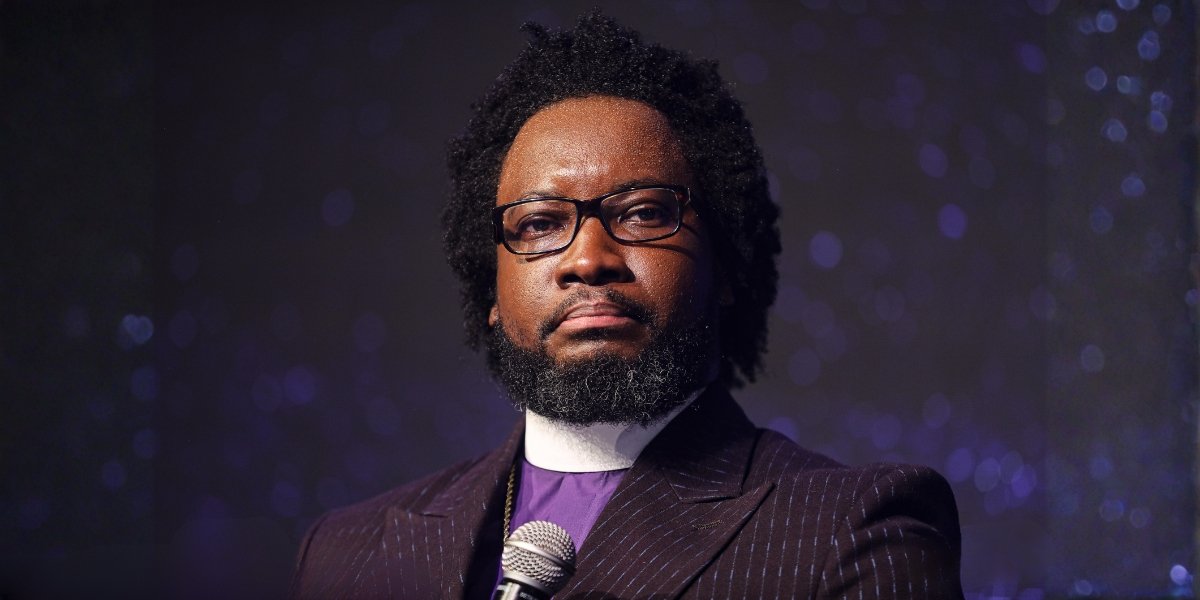
Faith, Governance, and Sustainable Growth: How Dr. Sonnie Badu Built RockHill Church as a Values-Driven Institution

Sustainable organizations—whether nonprofit, faith-based, or corporate—are rarely built on visibility alone. They are built on governance, accountability, and a clear, long-term vision. These principles have guided the steady growth of RockHill Church over the past eight years under the leadership of Dr. Sonnie Badu, helping it transition from a small community to a values-driven institution recognized for its impact.

Dr. Badu, who is internationally known for his influence in worship and leadership across Africa and the global Diaspora, brings a unique perspective to his work that extends far beyond his musical talents. His leadership philosophy is rooted in a commitment to structure over spectacle and stewardship over short-term momentum. This approach has become increasingly relevant in today’s nonprofit and faith-based organizational landscape, where sustainability and long-term growth are more important than temporary visibility.

Now based in Atlanta, Georgia, Dr. Badu leads RockHill Church alongside First Lady Annie Badu, building it into a purpose-driven institution anchored in faith, leadership development, and community engagement. Since its founding eight years ago, the church has taken a disciplined approach to growth, focusing on leadership formation, ethical governance, and people-centered programs, rather than pursuing rapid expansion. By prioritizing thoughtful growth, the church has built a solid foundation that supports long-term success.

This strategy has proven successful, with RockHill Church emerging as an institution known for its principled teachings, mentorship programs, and consistent service to the community. These attributes are key indicators of organizational health in the nonprofit and faith sectors and reflect an understanding that long-term impact requires operational clarity, shared leadership, and accountability at every level of the organization.

Dr. Badu’s leadership in Georgia has been formally recognized through civic honors. At the founding of RockHill Church, he was named an Honorary Georgia Citizen, in recognition of his early contributions to the state’s cultural and community landscape. Two years ago, his recognition was elevated to that of Outstanding Georgia Citizen—an acknowledgment of his sustained leadership and the ongoing positive impact he has made within the community. This progression highlights the difference between short-lived achievements and lasting influence, further affirming Dr. Badu’s dedication to creating enduring value for his community.

Equally central to RockHill Church’s strength and stability is the leadership partnership between Dr. Sonnie Badu and First Lady Annie Badu. While Dr. Badu’s leadership has focused on strategic vision and growth, Annie’s work has been pivotal in shaping the church’s community-oriented programs. Her focus on family development, women’s empowerment, and community initiatives has brought the church’s mission to life, creating structured programs that serve the practical needs of their congregation and the broader community. Together, they have built a model of leadership that emphasizes collaboration and shared responsibility, further strengthening the church’s foundation.

Faith, Governance, and Sustainable Growth: How Dr. Sonnie Badu Built RockHill Church as a Values-Driven Institution

Photo Courtesy: RockHill Church

As RockHill Church prepares to celebrate its eighth anniversary, from March 1–3, 2026, its trajectory offers a valuable lesson for leaders across sectors. The church’s model shows that institutions built on clear values, disciplined leadership, and long-term accountability are the ones best positioned to endure. By focusing on long-term goals and staying true to their mission, organizations like RockHill Church can weather challenges and create meaningful, lasting change.

“True impact is not accidental,” Dr. Badu has often said. “It is the result of intentional leadership, ethical responsibility, and consistent service over time.” This statement encapsulates the approach that has driven RockHill Church’s growth and success.

In an era when organizations are increasingly evaluated by transparency, governance, and measurable outcomes, RockHill Church stands as an example of how faith-based institutions can operate with the same strategic discipline expected across the business and nonprofit worlds—while remaining grounded in purpose. By applying the principles of good governance, ethical responsibility, and long-term vision, Dr. Sonnie Badu and his team have built an institution that not only thrives but also has a significant, lasting impact on the communities it serves.

Disclaimer: The views expressed in this article are based on information provided by Dr. Sonnie Badu and RockHill Church. This article is intended for informational purposes only and does not constitute an endorsement of any religious beliefs or practices. All statements, achievements, and recognitions mentioned reflect Dr. Badu’s personal and professional journey and his contributions to the community. The content of this article should not be interpreted as an attempt to influence religious perspectives or convert individuals.

Paul Davis Restoration Restoring Homes and Peace of Mind in the Mid-Hudson Valley

By: Sophia Turner

Local Experts Who Understand Crisis

When a pipe bursts on a winter night or a water heater fails on an upper floor, damage spreads quickly, and stress rises even faster. For homeowners in the Mid-Hudson Valley, Paul Davis Restoration of the Mid-Hudson Valley has become the trusted name that combines technical expertise with genuine compassion. Their mission is not only to dry, clean, and repair properties, but also to restore a sense of stability after a disruptive loss.

As a locally owned and operated company, the team lives and works in the same communities they serve. They understand how destabilizing it can be when a home is suddenly unsafe or unlivable. That is why they offer 24/7 emergency service and weekend appointments by request, moving quickly to assess the situation, prevent further damage, and begin the path to recovery. From the first phone call, their focus is squarely on the homeowner’s peace of mind.

A Guided Path From Damage to Restoration

One of the most intimidating parts of any fire, water, or mold loss is figuring out what comes next. Paul Davis Restoration of the Mid-Hudson Valley specializes in guiding customers through every phase of the process. They help document the damage, coordinate with insurance carriers, and create a clear plan that outlines what will happen and when.

Rather than simply setting up equipment or tearing out damaged materials, the team positions itself as a partner. They listen carefully to each customer’s concerns and take the time to explain what they are doing and why. That might mean walking a homeowner through moisture readings, discussing asbestos testing or mold remediation timelines, or helping them understand how their insurance policy applies to the loss. Clarity and education are part of the service, not extras.

Communication That Turns Customers Into Partners

In an industry where many people feel like “just another job,” Paul Davis Restoration of the Mid-Hudson Valley has built its reputation on communication and empathy. Customers are encouraged to reach out whenever questions or worries arise, even outside typical business hours. The team responds transparently, outlining next steps so no one is left in the dark.

This commitment shows up in review after review. One homeowner, Danielle B, shared that she had Matt and Jager assisting with her situation and that they “were the best.” She recalled being very upset about the condition of her house, but said they made her feel better by being informative and never leaving without explaining everything that had been done. Her rating of “12.5 out of 10” captures just how far the team’s communication and bedside manner can go toward easing a stressful experience.

Another customer, Jeff M, praised the “level of professionalism and communication skills” he received from Matt, calling it rare today. He noted that the team made sure he was taken care of at every stage. These are not isolated experiences. They reflect a culture that sees every project as a relationship, not a transaction.

Certified Quality, Honest Pricing, Real Commitments

Behind the warmth and empathy is a company structured for professional excellence. Paul Davis Restoration of the Mid-Hudson Valley holds an Institute of Inspection, Cleaning, and Restoration Certification (IICRC) and is accredited with an A rating by the Better Business Bureau. Their work is supported by high standards of craftsmanship, quality parts, and comprehensive warranty coverage that often extends for a year or more, depending on the project.

Their in-house project managers and certified technicians help ensure that estimates are accurate and that work is performed efficiently. By leveraging strong relationships with suppliers and trade partners, they can offer competitive pricing without cutting corners on materials or craftsmanship. Homeowners gain the confidence that their property is being restored to professional standards at a fair price.

Stories From Homeowners Across the Mid-Hudson Valley

Customer stories put a human face on the company’s commitments. Bill K experienced water heater damage that spread from an upper townhouse floor. While the homeowners’ association and insurance took longer than expected, Paul Davis Restoration delivered a high-quality repair that brought his floors and walls back to pre-loss condition. His simple summary says it all: “Nice job, thanks.”

Another homeowner, Robert, described a first-floor water leak that could have caused long-term damage. The team at Paul Davis Restoration arrived quickly, and he remembers that project manager Matt Johns was there within hours to help document the damage and guide him through the restoration process. Robert noted that technician Matt Maiello was “very skilled, knowledgeable, and efficient” in cleaning up and making sure no further damage occurred. “They made this process very easy, and I am grateful for their help,” he wrote, recommending the company highly.

Customers regularly highlight how much each team member cares. Uday S called Matt “the real deal,” praising his ability to make commitments he could deliver on, keep the homeowner informed at every step, and demonstrate clear pride in his work. These reviews reinforce the company’s self-image. They offer fast response times, thoughtful guidance, and a personable approach that helps make a difficult situation feel manageable.

A Restoration Partner for Homeowners and Insurers

Because the team manages insurance-related details every day, they understand how to align the interests of homeowners and insurers for the best long-term outcome. Thorough documentation, accurate estimates, and proactive communication reduce surprises and keep projects on track. Insurers appreciate the clarity, while homeowners appreciate having an advocate who speaks the language of claims and construction.

This balanced approach fills a market gap. Many restoration contractors focus only on the technical side of drying, demolition, and rebuilding. Paul Davis Restoration of the Mid-Hudson Valley is equally committed to the human side of loss. They know that no one ever plans to call a restoration company. When that call does come, they work to make the experience as friction-free and accommodating as possible, whether that means scheduling around a child’s nap time or making sure pets stay safe during the work.

How To Connect With Paul Davis Restoration of the Mid-Hudson Valley

Homeowners in the Mid-Hudson Valley who are facing water, fire, mold, or other property damage can learn more about services, certifications, and commitments by visiting the company’s website at Paul Davis Restoration of the Mid-Hudson Valley. There, visitors can request a free estimate or consultation and read more about the team’s approach.

For a closer look at projects, educational content, and behind-the-scenes updates, homeowners can explore the company’s YouTube channel and connect on their Facebook page to see how the team is serving neighbors across the region. Whether it is a late-night emergency or a lingering concern about past damage, Paul Davis Restoration of the Mid-Hudson Valley stands ready to respond quickly, restore homes professionally, and help restore peace of mind.


When Green Incentives Collide With Household Economics: SolarExits Targets a Growing Market Imbalance

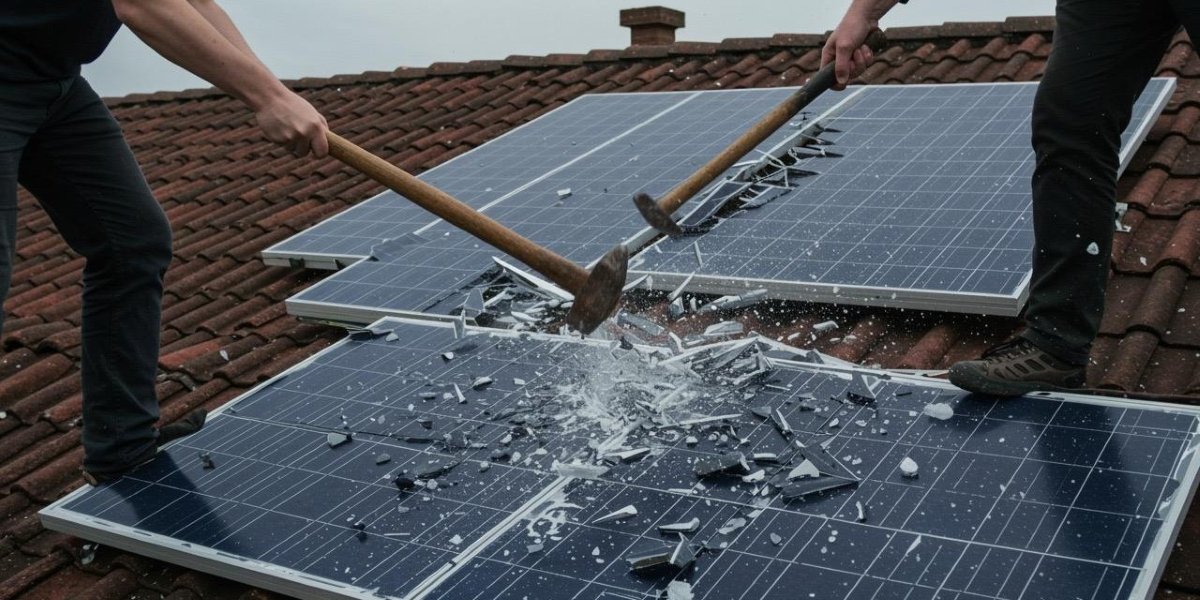
United States — Residential solar has been positioned as a cornerstone of America’s energy transition, supported by generous tax credits, state-level incentives, and a surge of private financing. For many households, rooftop solar was framed not just as an environmental choice, but as a long-term economic hedge against rising electricity costs. Yet for a growing segment of consumers, that promise has failed to materialize.

As installations expanded rapidly over the last several years, an increasing number of homeowners now report systems that underperform, malfunction, or never operate as projected. In many cases, these technical issues intersect with rigid financing agreements that remain fully enforceable regardless of system performance. The result is a financial mismatch that has begun to surface as a broader consumer economics issue.

SolarExits, a newly launched national consumer advocacy organization, was created to address this imbalance. The organization helps homeowners examine solar contracts affected by misrepresentation, defective equipment, or non-operational systems, with a focus on restoring economic fairness when solar investments fail to deliver expected value.

At the core of the problem is how residential solar transactions are structured. Most homeowners do not purchase systems outright. Instead, they enter into long-term loans or lease agreements that bundle installation, equipment, and financing into a single obligation. These agreements often stretch 15 to 25 years and are underwritten based on projected system output and savings assumptions.

When those assumptions fall apart, homeowners remain responsible for payments tied to assets that no longer perform as intended. From a household economics perspective, this transforms what was marketed as a cost-saving investment into a fixed liability, one that can strain monthly cash flow and limit financial flexibility.

SolarExits approaches these cases by focusing on the transactional foundation of solar sales. Rather than addressing energy output alone, the organization reviews how systems were represented at the point of sale and how those representations align with the contractual and financial obligations homeowners assume. When discrepancies arise, SolarExits assists consumers in pursuing formal disputes to correct or challenge agreements that no longer reflect economic reality.

“Solar systems are sold on financial projections as much as environmental benefits,” said a SolarExits representative. “When those projections are materially inaccurate, the economics of the deal break down. Consumers deserve a process to address that.”

The organization’s back-end fulfillment team brings experience in documentation analysis, consumer contract review, and structured resolution strategies. Each homeowner’s case is evaluated individually, with attention paid to sales materials, system performance data, and financing terms. SolarExits does not promise outcomes, but provides homeowners with clarity and informed pathways to address agreements that no longer make economic sense.

The emergence of advocacy groups like SolarExits highlights a deeper issue within the clean energy marketplace: incentives for rapid growth have not always been matched with safeguards for long-term consumer outcomes. Sales-driven expansion rewarded volume, while accountability for post-installation performance became diffuse across installers, sales organizations, and finance partners.

From a macroeconomic standpoint, unresolved solar disputes introduce friction into household balance sheets and consumer lending markets. Long-term payment obligations tied to underperforming assets can impact credit profiles, home resale decisions, and consumer confidence in future energy investments.

SolarExits operates nationally and positions itself as a corrective mechanism within this evolving landscape. By helping homeowners challenge agreements that no longer align with delivered value, the organization aims to rebalance incentives between growth and accountability in the residential solar sector.

As policymakers and financial institutions continue to promote clean energy adoption, the economic experiences of individual households may increasingly shape the next phase of solar expansion. This shift could drive more consumer-focused regulations and innovative solutions to address homeowners’ challenges.

More information is available at www.SolarExits.com.