Economic Insider

Deepfake Scams Exposed: How to Recognize and Avoid Synthetic Media Threats


What Deepfakes Are and Why They Matter

Deepfakes are synthetic media created using artificial intelligence to generate realistic images, videos, or audio that mimic real people. The technology can replicate facial expressions, voices, and gestures with striking accuracy. While these tools have legitimate uses in entertainment and education, they are also being misused for fraud and deception.

The concern arises when deepfakes are used to impersonate trusted individuals. Criminals can create convincing videos of executives, public figures, or even family members to manipulate victims into transferring money or sharing sensitive information. This type of scam exploits the natural tendency to trust what appears authentic.

Understanding how deepfakes work helps reduce fear. They are not magic but rather the result of algorithms trained on large amounts of data. Recognizing that they are manufactured products of technology makes it easier to approach them with caution rather than alarm.

Common Types of Deepfake Scams

One of the most common scams involves voice cloning. Attackers use short audio samples to create convincing imitations of someone’s voice. These recordings can then be used in phone calls to request urgent payments or confidential data. Victims often comply because the voice sounds familiar and trustworthy.

Video-based scams are also increasing. Fraudsters may create fake video calls where the person on screen appears to be a colleague or supervisor. These interactions can be used to authorize financial transactions or approve sensitive actions. The realism of the video makes it difficult to question in the moment.

Another form of misuse involves spreading misinformation. Deepfakes can be used to create false statements or fabricated events, which are then shared online. These incidents can damage reputations, influence opinions, or create confusion.

Warning Signs to Watch For

There are practical ways to identify deepfakes. In video, subtle inconsistencies such as unnatural blinking, mismatched lighting, or distorted facial movements can be clues. Audio deepfakes may include unusual pauses, robotic tones, or mismatched background noise.

Requests that create urgency should also raise suspicion. Scammers often pressure victims to act quickly, leaving little time for verification. If a request seems unusually urgent, it is worth pausing to confirm through another channel.

Cross-checking information is another safeguard. If a video or audio message seems unusual, contacting the person directly through a trusted method can confirm authenticity. This simple step can prevent costly mistakes.

How Businesses and Individuals Can Respond

Organizations are beginning to adopt verification protocols to reduce the risk of deepfake scams. Multi-factor authentication, secure communication platforms, and employee training are becoming standard practices. These measures make it harder for attackers to succeed.

For individuals, awareness is the first line of defense. Understanding that deepfakes exist and knowing the signs of manipulation reduces vulnerability. Families can also discuss these risks, especially with older relatives who may be more trusting of phone or video requests.

Technology companies are developing detection tools that analyze media for signs of manipulation. While no tool is perfect, these systems add another layer of protection. Combined with human judgment, they can help identify suspicious content.

The Broader Impact of Synthetic Media

Deepfakes highlight the challenges of living in a digital environment where information can be easily manipulated. They raise questions about trust, authenticity, and the role of technology in daily life. While the risks are real, awareness and preparation can reduce their impact.

Governments and regulators are beginning to address the issue through legislation and policy. These efforts aim to hold perpetrators accountable and provide clearer guidelines for technology use. Public awareness campaigns also play a role in educating communities.

Deepfakes are part of a broader conversation about digital security. By learning to recognize and respond to them, individuals and organizations can protect themselves while continuing to benefit from the positive uses of technology.


Target Slashes 500 Jobs While Expanding In‑Store Improvements

Target has announced the elimination of approximately 500 jobs as part of a restructuring effort aimed at strengthening the company’s operations and improving the customer experience. The announcement comes shortly after the appointment of Michael Fiddelke as Target’s new CEO, signaling a shift in the company’s priorities as it looks to focus on enhancing its in-store operations.

Job Reductions Across Multiple Areas

The job cuts will impact around 400 positions within the supply chain and 100 positions at the district level, including roles in distribution centers and regional offices. Despite the reductions, Target has emphasized that the restructuring will not impact the company’s commitment to its stores. The goal is to redirect resources to areas that directly influence the customer experience, primarily in-store.

The decision is being framed as a strategic move to streamline operations and ensure that the company can continue to meet customer expectations in a competitive retail environment. By reallocating funds and staff to front-line operations, Target aims to create a more reliable shopping experience. The company is also looking to boost its ability to maintain high store standards while addressing the ongoing challenges many retailers face in meeting consumer demands.

New Leadership Focuses on Improving Store Operations

This restructuring marks one of the first major steps under the leadership of Michael Fiddelke, who was appointed CEO in February 2026. Fiddelke, who has a background in finance and operations, is said to be focusing on optimizing Target’s day-to-day operations, with an emphasis on improving the shopping experience for customers.

Industry analysts have noted that this approach reflects a shift toward prioritizing front-line store functions over back-end operations. The goal is clear: Target intends to improve key aspects of the in-store experience, such as product availability, store cleanliness, and checkout efficiency, to attract and retain customers. These factors have become even more crucial as retail operations are challenged by the growth of e-commerce and changes in consumer habits. The success of these efforts could determine the future trajectory of Target as it looks to balance both physical and digital shopping demands.

In addition to the restructuring, Target is considering ways to better align its operational teams with customer needs, potentially reorganizing staff across stores to ensure that there is a stronger alignment between the front lines and the rest of the company. Fiddelke’s leadership will be key in helping to guide Target through this period of adjustment, with a focus on reinvigorating the company’s retail operations.

Enhancing the In‑Store Shopping Experience

Target’s reputation has long been tied to its ability to provide a clean, organized, and reliable shopping environment. However, in recent years, the company has faced challenges in maintaining these standards. Issues such as inconsistent stock levels, messy aisles, and longer-than-expected checkout times have led to customer frustration.

To address these concerns, Target plans to expand staffing during peak shopping hours, offer enhanced training for employees, and implement upgraded systems to improve checkout efficiency. These changes are designed to streamline the shopping experience and reduce wait times, which Target believes will ultimately help restore its reputation as a go-to retailer for everyday shopping. The goal is to enhance the customer experience, ensuring that shoppers have access to the products they want while benefiting from faster, more efficient service.

The move to expand staffing during peak hours is especially significant, as it ensures that stores are better equipped to handle busy periods, such as weekends and holidays. This will help mitigate frustration around long lines and crowded aisles, improving the overall shopping experience for customers. Additionally, by offering employees better training, Target aims to ensure that staff can handle customer inquiries more effectively and provide a more personalized shopping experience.

Target is also looking at ways to improve store layouts, enhance product displays, and offer a more organized shopping environment that better meets the needs of modern consumers. This could include integrating more technology to support in-store operations, such as self-checkout kiosks and interactive product displays, which allow customers to find what they need more quickly and easily.

Balancing Job Cuts with Store Improvements

While job cuts often lead to concern, Target has positioned this move as necessary to focus more on improving the customer experience. By trimming roles in supply chain and district operations, the company plans to reallocate resources where they are most needed — directly in stores.

This decision to balance job reductions with a focus on in-store improvements follows a broader trend in the retail industry, where companies are looking for ways to optimize their operations behind the scenes while enhancing the customer-facing experience. Retailers are increasingly focusing on improving in-store technology and staffing to compete with online shopping, making sure that physical locations remain relevant and attractive to consumers.

For Target, the stakes are high. Successfully implementing these changes could restore its reputation and improve sales, while failure to follow through could deepen existing challenges. There’s a growing need for retailers to meet the demands of customers who increasingly expect convenience, fast service, and personalized experiences when shopping in-store. As part of its strategic shift, Target must find ways to address these consumer preferences while also maintaining operational efficiency.

A Critical Moment for Target’s Future

The timing of this restructuring is significant. With Tom Dundon’s acquisition of the Portland Trail Blazers and Michael Fiddelke’s focus on improving the retail experience, Target is attempting to navigate through challenging times. By prioritizing customer-facing improvements, the company aims to regain the trust of shoppers and stabilize its sales performance.

As part of this shift, Target is focusing on ensuring that stores are well-staffed and organized, with an emphasis on providing a smooth shopping experience that customers can rely on. The success of these efforts could have a major impact on Target’s reputation and long-term growth. However, the company also faces ongoing challenges, including stiff competition from other retail chains, the growing dominance of e-commerce giants, and evolving consumer behavior.

While the changes being made are focused on improving the in-store experience, the company is also likely to continue refining its e-commerce strategy. This dual approach — enhancing the physical store experience while maintaining a strong online presence — will be crucial as Target seeks to compete in a retail landscape that is becoming increasingly digital. Ensuring that both in-store and online experiences are seamless and efficient will help Target maintain its market position and drive future growth.

China Internet Culture Thrives Despite Tight Online Controls

China’s internet ecosystem continues to thrive despite the country’s strict online controls and censorship. With more than a billion users, China has established one of the largest and most influential digital environments in the world, even as it remains largely separate from the global web due to its regulatory framework. Platforms like WeChat, Douyin, and Xiaohongshu dominate the landscape, offering services from messaging and social networking to e-commerce and financial transactions. These platforms have grown into multifunctional super-apps, shaping a unique digital space where users engage in almost every aspect of their daily lives online.

While the “Great Firewall” restricts access to global platforms like Facebook, Twitter, and YouTube, domestic alternatives have flourished. The system that confines access to global digital content also pushes innovation within China’s borders, driving the development of technologies, businesses, and social networks that cater specifically to local users.

Domestic Platforms and the Evolution of Super-Apps

Unlike the open internet seen in other parts of the world, China’s digital environment is highly contained. The country’s most prominent platforms, such as WeChat, Douyin, and Xiaohongshu, have expanded far beyond their initial functions. These super-apps now offer users everything from instant messaging to financial services and e-commerce, making them essential for everyday life in China.

WeChat, for instance, began as a messaging app but has evolved into a multi-functional platform used for everything from mobile payments to booking appointments. Douyin, the Chinese version of TikTok, revolutionized short-form video content, combining entertainment with e-commerce and live streaming. Similarly, Xiaohongshu (RED) serves as a platform for lifestyle content and shopping, integrating user-generated reviews and influencer-driven recommendations into its ecosystem.

These platforms are not only substitutes for global services but have built their own infrastructure that is deeply integrated into users’ personal and professional lives, creating a self-sustaining and innovative environment unique to China.

Young People Drive Trends in China’s Online Communities

China’s digital landscape has become a hub for youth-driven creativity. Gen Z, in particular, plays a major role in shaping online trends through their use of social media, gaming, and content sharing. Platforms like Douyin, Bilibili, and Xiaohongshu have become hotspots for young people to express identity, explore hobbies, and participate in fandoms.

While online communities in China often focus on entertainment and social networking, there is also a significant shift toward values-based consumption. Young users are increasingly aligning their purchasing choices with personal values and causes, influencing trends in fashion, food, and lifestyle. This is creating new forms of social commerce, where influencers and key opinion leaders (KOLs) help shape consumer behavior in real-time through live streaming and product recommendations.

Despite government controls, youth-driven digital trends continue to evolve, pushing the boundaries of creative expression in ways that are distinct from the global internet.

Social Commerce: A Key Feature of China’s Digital Ecosystem

Social commerce has become a dominant force in China’s internet space. Platforms like Douyin and Xiaohongshu are not only entertainment hubs but also powerful e-commerce engines. Live streaming, in particular, has revolutionized how people shop, with influencers hosting real-time shopping events that attract millions of viewers. These events combine entertainment, shopping, and social interaction, creating a unique form of digital engagement.

The role of influencers, or KOLs, is crucial in this landscape. These individuals play a central part in shaping consumer behavior, using their platforms to engage directly with followers, promote products, and build a sense of community. Social commerce in China has grown rapidly, and its influence is now extending beyond Chinese borders. What began as a local trend is now gaining traction in other parts of Asia and even the Western world.

The Role of Regulation in Shaping China’s Digital Landscape

Despite the internet’s vibrancy, regulation remains a constant presence. The Cyberspace Administration of China (CAC) oversees internet governance and enforces rules that shape everything from data privacy to content moderation. Recently, new laws have been introduced to manage influencer content more closely. For example, multi-channel networks (MCNs) must comply with stricter content standards, ensuring that influencers and content creators stay within the boundaries set by the government.

Platforms themselves also play a key role in regulation, using AI-driven tools and human moderators to monitor content and ensure it aligns with the country’s laws. This oversight limits the freedom of expression online but ensures that the content circulating within China’s digital ecosystem is in line with state expectations.

These regulatory measures do not stifle creativity entirely; instead, they require creators and platforms to innovate within strict boundaries, finding ways to push digital trends forward while staying compliant with regulations.

Challenges and Opportunities in China’s Digital Future

As China’s internet ecosystem continues to evolve, several challenges remain. Content creators face the risk of having their work removed or accounts suspended for violating government regulations. Platforms must also find ways to balance innovation with compliance, which requires constant adaptation to the changing landscape of digital governance.

However, these constraints also create opportunities for innovation. The Chinese digital ecosystem is one of the most advanced in terms of integrating e-commerce, social media, and financial services into one seamless experience. The rapid growth of social commerce and the success of influencers highlight the potential for further development in these areas.

Furthermore, China’s digital model has started to influence global trends, particularly through the international success of Douyin’s counterpart, TikTok, and the increasing adoption of live streaming as a retail tool in the West. While China’s approach to internet regulation may not be easily replicated elsewhere, its influence on the future of digital commerce and online community building is undeniable.

Identifying Excellence: Professional Badges for Staff and Events

Professional Badges

In today’s competitive landscape, organizations continually seek innovative ways to recognize and celebrate the achievements of their staff and event participants. One effective method of gaining traction is the use of professional badges. These badges serve not only as symbols of accomplishment but also as powerful tools for motivation, engagement, and branding.

Professional badges are visual representations of skills, achievements, or participation, awarded to individuals for accomplishments within an organization or at events. They can be used in a variety of contexts, including conferences, workshops, training sessions, and everyday workplace recognition.

The Importance of Professional Badges

The significance of professional badges extends beyond mere recognition. They play a crucial role in fostering a culture of excellence within organizations. When employees receive badges for their contributions or skills, it creates a sense of pride and belonging.

  1. Motivation and Recognition: Badges acknowledge individual efforts and provide intrinsic motivation.
  2. Skill Validation: They offer validation for specific skills or experiences, enhancing the individual’s professional profile.
  3. 3. Building a Learning Culture: Organizations that utilize badges encourage continuous learning and development among their staff.

By integrating professional badges into their recognition programs, organizations can create an environment where excellence is not only acknowledged but celebrated.

Types of Professional Badges

Understanding the different types of professional badges is essential for implementing an effective system that meets the needs of both staff and event participants.

Digital Badges

Digital badges are increasingly popular due to their versatility and ease of distribution. These badges can be shared on social media platforms, LinkedIn profiles, or digital portfolios.

  1. Design: Digital badges often include metadata that describes the criteria for earning the badge.
  2. Accessibility: They can be stored and displayed digitally, making them accessible from anywhere.
  3. Verification: Digital badges often include links to verify authenticity, adding credibility.

Physical Badges

Physical badges are tangible items that can be worn at events or displayed in workplaces.

  1. Design Options: They can be created with various materials such as plastic, metal, or fabric.
  2. Visibility: Physical badges serve as visible recognition during events, encouraging networking and conversation.
  3. Memorable Keepsakes: Participants often view physical badges as mementos from significant experiences.

Both digital and physical badges offer distinct advantages that organizations can leverage based on their goals and target audiences.

How Badges Enhance Employee Engagement

Employee engagement is critical to an organization’s success, and professional badges can significantly enhance this aspect.

  1. Recognition Leads to Engagement: According to research by Gallup, engaged employees are more productive and less likely to leave their jobs. Badges provide a visible form of recognition that boosts morale.
  2. Encouraging Peer Recognition: A badge system allows for peer nominations, fostering camaraderie among employees.
  3. Linking Achievements to Organizational Goals: By aligning badge criteria with organizational objectives, employees see how their contributions impact the larger mission.

Implementing a badge system tailored to your organization can increase employee satisfaction and retention.

Implementing a Badge System for Events

Creating a badge system for events requires careful planning and execution.

  1. Define Objectives: Determine what behaviors or accomplishments you want to encourage through your badge system.
  2. Choose Badge Types: Decide whether you will use digital or physical badges based on your audience and event type.
  3. Design Criteria: Clearly define what qualifies an individual to earn each badge.
  4. Promote the System: Ensure attendees understand the benefits of earning badges before the event begins.
  5. Follow-Up Recognition: Post-event communication should recognize achievements publicly through social media or newsletters.

A thoughtfully executed badge system can significantly enhance participant engagement at events while further establishing your brand identity.

Case Studies on Successful Badge Implementations

Several organizations have successfully implemented badge systems that exemplify best practices in recognizing excellence.

  1. Mozilla Open Badges Initiative: Mozilla’s initiative demonstrates how digital badging can validate skills acquired through non-traditional learning paths.
  2. Totally Branded’s Event Recognition Program: Totally Branded implemented a comprehensive badge program during industry conferences that recognized speakers, attendees, and sponsors alike, leading to increased engagement and satisfaction.

These case studies illustrate how effective implementations not only boost recognition but also encourage continued participation in future initiatives.

Ideal Practices for Designing Badges

When creating professional badges, design plays a crucial role in their effectiveness.

  1. Simplicity is Key: The design should be clean and easily recognizable at a glance.
  2. Incorporate Branding Elements: Include your organization’s logo or colors to reinforce brand identity.
  3. Clear Criteria Presentation: Ensure that the badge communicates what it represents clearly.
  4. Use Quality Materials: For physical badges, consider durability and quality as these factors reflect the value of the achievement.

By following these best practices, organizations can create impactful badges that resonate with recipients.

The Role of Technology in Badge Issuance

Technology has revolutionized how organizations issue and manage professional badges.

  1. Badge Platforms: Various online platforms allow organizations to create, distribute, and manage digital badges efficiently.
  2. Integration with Existing Systems: Technology can facilitate integration with learning management systems (LMS), making it easier to award badges based on course completion or skill assessments.
  3. Analytics Tracking: Many platforms provide analytics that allow organizations to track badge issuance trends and engagement levels over time.

Leveraging technology not only streamlines the badging process but also enhances data collection capabilities for future improvements.

Totally Branded: Elevating Badge Recognition

Totally Branded stands out as an exemplary provider of professional badging solutions. With a commitment to excellence, they offer customized badge designs that align with organizational branding while ensuring clear representation of achievements.

Their expertise in designing both digital and physical badge systems enables organizations to maximize recognition opportunities across events and internal programs. By collaborating with Totally Branded, companies can significantly elevate their recognition initiatives.

Future Trends in Professional Badging

As we look ahead, several trends are emerging within the professional badging landscape:

  1. Integration with Blockchain Technology: This will enhance security and verification processes for digital badges.
  2. Personalized Badge Experiences: Organizations may begin offering customizable options for recipients based on their preferences or achievements.
  3. Corporate Social Responsibility (CSR) Elements: Badging systems may incorporate CSR-related achievements as part of organizational values alignment.

These evolving trends will shape how professional badges are perceived and used across industries going forward.

By embracing these insights into professional badges for staff and events, organizations can effectively identify excellence while fostering a culture that celebrates achievement at every level.

How South India Tour Packages Are Shaping Regional Tourism Growth in 2026

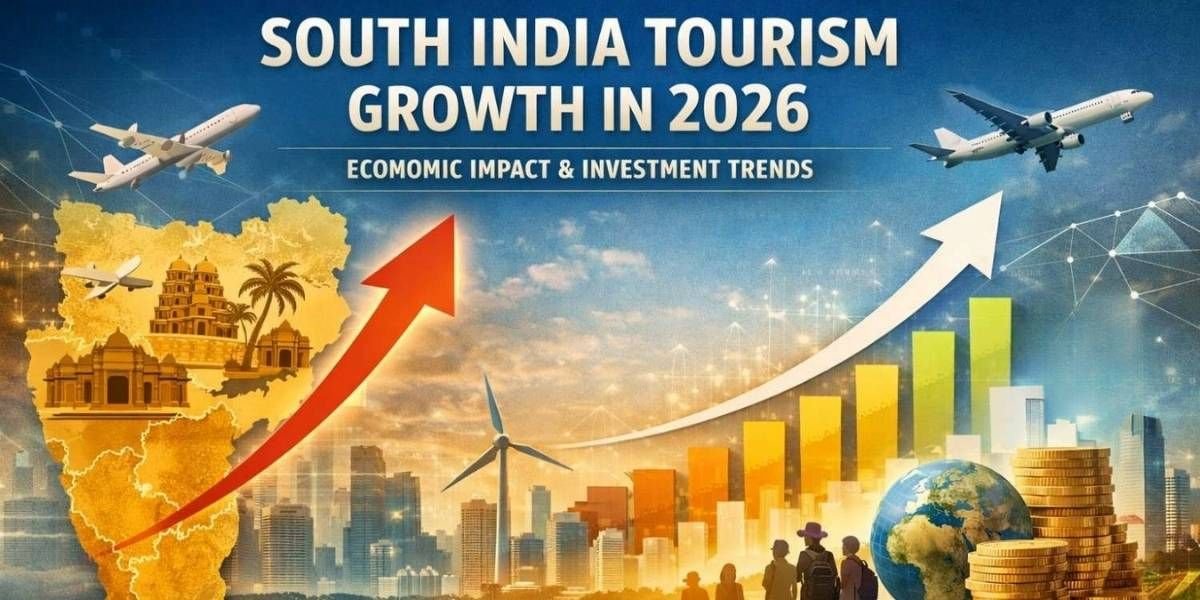
Tourism in India is no longer driven only by destination popularity; it is increasingly shaped by structured travel ecosystems, digital accessibility, and curated experiences. In 2026, South India stands out as one of the fastest-growing regional tourism markets, not just culturally, but economically. A major driver behind this growth is the rapid evolution of organized tour packages in South India, which are transforming fragmented travel routes into integrated tourism corridors.

From heritage tourism in Tamil Nadu to eco-tourism in Kerala and coffee tourism in Karnataka, South India’s travel economy is shifting from unorganized travel patterns to professionally structured tourism models, creating sustainable income systems for communities, businesses, and infrastructure development.

This transformation is no longer anecdotal; it is measurable, structural, and long-term.

The Shift from Destination Travel to Experience Economies

Earlier, tourism was centered around iconic landmarks. Today, it is driven by experiences, accessibility, and structured itineraries. South India has benefited more than any other region from this evolution due to:

  • Diverse geography within short distances

  • Multi-state connectivity

  • Cultural density

  • Religious tourism circuits

  • Year-round travel viability

  • Strong domestic demand

Tour packages are no longer limited to transport and hotels; they now integrate wellness, food tourism, eco-tourism, spiritual tourism, and cultural immersion into complete experience models.

This shift has converted tourism from a seasonal business into a year-round regional economic engine.

Infrastructure Development as a Growth Multiplier

South India’s tourism growth is directly tied to infrastructure expansion:

Key Enablers:

  • Highway corridor development

  • Airport modernization

  • Regional airport connectivity

  • Smart city tourism planning

  • Railway modernization

  • Digital booking ecosystems

  • Tourism startup growth

Tour packages leverage this infrastructure to create predictable, scalable travel flows, enabling consistent tourism demand rather than sporadic seasonal surges.

This creates economic stability, not just tourism spikes.

Regional Employment Generation and Skill Development

The tourism package ecosystem directly contributes to:

  • Local employment

  • Transport services

  • Hospitality staffing

  • Artisan economies

  • Local food industries

  • Cultural performers

  • Eco-tourism guides

  • Wellness professionals

  • Rural tourism enterprises

Instead of centralized profit models, structured tourism now supports distributed revenue models, particularly in Tier-2 and Tier-3 destinations.

This is critical for regional economic inclusion, not just urban tourism growth.

Digital Platforms and Market Accessibility

Technology has democratized tourism access. Digital booking platforms, travel aggregators, and content platforms have created global visibility for places to visit in South India, converting regional destinations into international tourism products.

This visibility enables:

  • International tourist inflow

  • NRI travel markets

  • Medical tourism growth

  • Spiritual tourism circuits

  • Remote work tourism

  • Wellness retreat tourism

South India now competes globally, not just nationally.

Structured Tour Models and Market Trust

One of the biggest transformations in 2026 tourism growth is trust-based travel planning.

Travelers increasingly rely on structured service providers instead of self-planning complex multi-state itineraries. This has strengthened professional tourism networks, particularly centralized travel hubs that manage large-scale planning and coordination.

Many national tourism flows are now managed by centralized planning hubs, including tour operators in Delhi, who play a strategic role in designing multi-state South India travel circuits, corporate travel flows, international packages, and religious tourism logistics.

This centralized planning model improves service quality, safety standards, and operational efficiency.

Tourism as a Regional Economic Ecosystem

South India tourism now functions as a multi-sector economy, not a single industry.

Economic linkages include:

  • Agriculture (food supply chains)

  • Handicrafts & cottage industries

  • Transport manufacturing

  • Construction

  • Renewable energy (eco-resorts)

  • IT services

  • Digital marketing

  • Logistics networks

  • Wellness industries

Tourism packages act as economic connectors, linking multiple industries into a single value chain.

Rise of Sustainable Tourism Models

2026 tourism growth is sustainability-driven:

  • Eco-resorts

  • Plastic-free tourism zones

  • Community-based tourism

  • Village tourism

  • Wildlife conservation tourism

  • Responsible travel models

Structured packages promote controlled tourism instead of uncontrolled tourism, protecting natural resources while sustaining economic growth.

This ensures long-term viability, not short-term profit cycles.

Investment Growth and Tourism Capital Flow

South India tourism now attracts:

  • Hospitality investments

  • Resort development

  • Eco-tourism funding

  • Infrastructure investments

  • Startup capital

  • International hospitality brands

  • Wellness tourism funding

Tourism packages generate predictable demand, making the region attractive to investors and developers.

Predictability is the foundation of economic scalability.

Data-Driven Tourism Planning

Modern tourism planning is data-led:

  • Demand forecasting

  • Seasonal traffic management

  • Pricing optimization

  • Route efficiency modeling

  • Occupancy forecasting

  • Experience personalization

Tour packages now operate like logistics systems, not just travel services.

This improves efficiency and reduces economic waste.

Long-Term Regional Impact

By 2026, South Indian tourism will no longer be just about visitors; it will be about regional transformation.

Long-term outcomes:

  • Urban decentralization

  • Rural development

  • Regional income stability

  • Infrastructure equity

  • Cultural preservation

  • Sustainable employment

  • Tourism entrepreneurship

  • Community empowerment

Tourism packages have become instruments of regional development policy, not just travel services.

Conclusion: Tourism as Economic Architecture

South India’s tourism growth is not accidental; it is structured, engineered, and system-driven.

Tour packages have transformed tourism into:

  • An economic ecosystem

  • A development model

  • A regional growth strategy

  • A sustainability framework

  • A social inclusion system

  • A long-term investment sector

In 2026, tourism in South India is no longer a lifestyle choice; it is economic architecture.

Structured travel models are the blueprint for this transformation.