Economic Insider

Common Manuscript Formatting Mistakes Authors Should Avoid


Writing a strong manuscript takes time, discipline, and creativity, but the work is not finished when the final sentence is written. Before a book can move into editing, design, publishing, and distribution, the manuscript must be organized in a clear, professional format. Poor formatting can make a good book difficult to review, slow the production process, and create problems during print or eBook conversion.

Blue Crown Books supports authors with writing, editing, formatting, cover design, publishing, marketing, and distribution. Understanding the following manuscript formatting mistakes can help writers prepare cleaner files and move more confidently toward publication.

Using Spaces or Tabs for Paragraph Indents

One common mistake is pressing the spacebar several times or using the Tab key to indent each paragraph. This may look correct in the original file, but it can create uneven spacing when the manuscript is edited, resized, or converted.

Paragraph indents should be created through the paragraph settings in the document software. A consistent first-line indent allows changes to be applied across the entire manuscript. Blue Crown Books can replace manual spacing with professional paragraph formatting that remains consistent throughout the book.

Adding Multiple Blank Lines Between Sections

Authors often press Enter several times to push a chapter title onto the next page. These empty paragraph marks may shift when text is added or removed, causing chapter openings to appear in the wrong place.

Use a page break when a chapter must begin on a fresh page. Section breaks should only be used when the layout, page numbering, margins, headers, or footers need to change. Blue Crown Books can review the manuscript structure and remove unnecessary blank lines before publication.

Using Inconsistent Fonts and Sizes

A manuscript should not contain several unrelated fonts unless there is a clear design purpose. Random changes in font, size, bolding, and alignment make the file look unfinished and complicate formatting.

Authors should use a readable body font and consistent styles for chapter titles, subheadings, quotations, captions, and special sections. Blue Crown Books can build a clear visual hierarchy that supports readability and prepares the manuscript for professional design.

Formatting Headings Manually

Making a chapter title larger, bold, and centered does not automatically create a true heading. Without proper heading styles, the document may lack a reliable structure. This is particularly important for eBooks, where navigation and tables of contents depend on correctly identified headings.

Using heading styles helps organize chapters and subsections while making global updates easier. Blue Crown Books can apply a consistent heading system that improves navigation in both print and digital editions.

Ignoring Trim Size and Page Layout

Some authors format a manuscript on standard letter-size pages and expect it to look the same in a printed book. However, a publishing layout must be designed around the intended trim size. A smaller book requires different margins, line lengths, page breaks, and spacing.

Authors do not need to create the final interior before submission, but they should avoid forcing the manuscript into a homemade book layout. Blue Crown Books can format the interior according to the book’s genre, trim size, reading experience, and publishing platform.

Using Incorrect Line and Paragraph Spacing

Inconsistent spacing can make a manuscript look crowded in some areas and empty in others. Common problems include extra spaces after paragraphs, uneven line spacing, accidental blank paragraphs, and inconsistent spacing around headings.

The better approach is to use paragraph settings rather than manual line breaks. Blue Crown Books can standardize spacing, alignment, and indentation so the interior feels balanced and comfortable to read.

Placing Page Numbers and Headers Incorrectly

Headers and page numbers should not necessarily appear on every page. Title pages, copyright pages, blank pages, and chapter-opening pages often require different treatment. Some authors type page numbers directly into the text or apply running headers without separating the front matter from the main content.

Professional formatting uses document sections to control page numbering and header placement. Blue Crown Books can arrange the title page, copyright page, dedication, table of contents, chapters, and back matter in a logical publishing order.

Treating Print and eBook Formatting as Identical

A print book and an eBook require different formatting approaches. Print layouts depend on fixed page dimensions, margins, headers, footers, and page numbers. eBooks must adapt to different screens, font settings, and reading devices.

Text boxes, columns, floating images, decorative tabs, and manual page numbers may work in print but cause problems in an eBook. Blue Crown Books provides formatting and layout support that considers the needs of both print and digital readers.

Formatting Before Editing Is Complete

Formatting should not replace editing. A polished layout can still contain grammar problems, repeated passages, inconsistent names, missing words, or structural issues. Major revisions after formatting may create page shifts and increase production work.

The manuscript should complete the appropriate editing and proofreading stages before final interior design. Blue Crown Books offers book writing, ghostwriting, editing, proofreading, reviews, consultation, and formatting so each publishing stage can connect smoothly with the next.

Overlooking Images, Tables, and Special Elements

Images, tables, poems, recipes, footnotes, lists, and chapter ornaments require careful preparation. Low-resolution images may look acceptable on a screen but appear blurry in print. Tables may be too wide for the final page, while decorative elements can shift during eBook conversion.

Authors should label visual files clearly and indicate where each item belongs. Blue Crown Books can coordinate manuscript formatting with cover design, interior layout, publishing assistance, and platform requirements for a more consistent finished book.

Skipping the Final Quality Check

Every formatted book needs a final review. Authors should check chapter order, page numbers, headings, image placement, table of contents links, paragraph spacing, blank pages, and accidental formatting changes.

A print proof should be reviewed before approving a paperback or hardcover. Digital files should also be tested on different screens. Blue Crown Books can support the project beyond formatting through self-publishing assistance, audiobook production, book marketing, author branding, and distribution.

Prepare Your Manuscript for Professional Publishing

Formatting mistakes may seem small, but they can affect readability, conversion, production time, and the reader’s first impression. Clean formatting gives editors, designers, and publishing professionals a stronger foundation.

Blue Crown Books helps authors move from ideas and rough drafts to polished books prepared for publication. With professional support in writing, editing, proofreading, formatting, cover design, self-publishing, audiobooks, marketing, branding, and distribution, Blue Crown Books can help transform a manuscript into a well-prepared publishing project and a lasting legacy.
Paul Davis Restoration of Central DFW Offers 24/7 Emergency Response and Full Rebuild Service Across Arlington, Grand Prairie and DeSoto

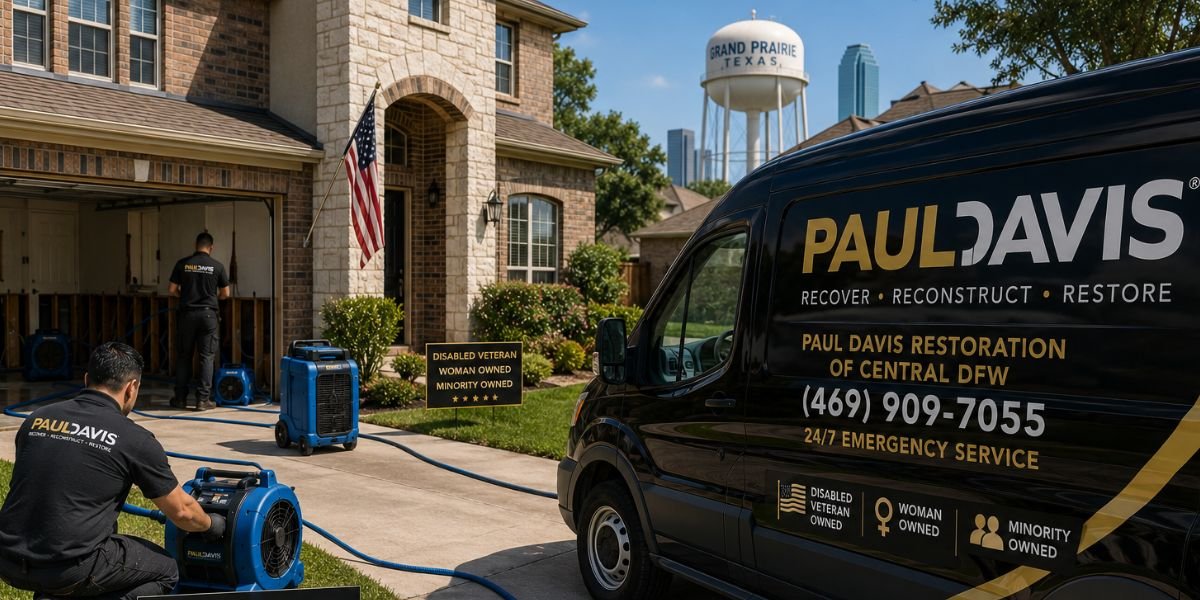
GRAND PRAIRIE, Texas. Burst pipes, house fires and storm flooding do not wait for business hours. Paul Davis Restoration of Central DFW answers emergency calls 24 hours a day, seven days a week, and handles water damage restoration, fire and smoke cleanup, mold remediation and full reconstruction for homeowners and businesses across Arlington, Grand Prairie, DeSoto and the greater Dallas Fort Worth Metroplex.

The company is a disabled veteran owned, woman-owned and minority-owned property restoration firm. Its technicians hold certifications from the Institute of Inspection, Cleaning and Restoration Certification (IICRC), and the company carries Texas state licenses in mold and asbestos work. Leadership describes the operating style as service first with compassionate command, meaning crews arrive calm, organized and ready to take the process off the property owner’s hands.

One Team From the First Call to the Final Walkthrough

Many mitigation companies stop after the demolition. They tear out wet drywall and flooring, dry the structure, then hand the owner a list of contractors to call for the rebuild. That handoff is where projects stall.

Paul Davis Restoration of Central DFW runs the job end to end. The same team that responds at 2:00 a.m. also manages the reconstruction, which means one timeline, one project manager and one source of truth for the property owner and the insurance carrier. The company is also a member of The Good Contractors List, which backs completed work with a $25,000 guarantee.

Property owners get a workmanship guarantee and a one year guarantee on repairs. Contents work is handled in house, including inventory, pack out and storage, so belongings stay tracked through the entire job.

Emergency Response in 60 to 90 Minutes

The company operates 24/7 emergency service and typically arrives on site within 60 to 90 minutes. Because the office sits in central DFW, crews reach most service areas in 35 to 45 minutes.

That speed matters for reasons beyond convenience. Standing water and elevated humidity can lead to mold growth and structural warping if the drying process starts late. Getting equipment in place quickly helps hold both the timeline and the budget where they should be.

Weekend appointments are available by request, and the team offers language assistance in Spanish and American Sign Language. The Grand Prairie facility has a wheelchair accessible entrance and a wheelchair accessible parking lot, with free on site parking.

Insurance Claims Handled by a Certified Advocate

Insurance friction is the part of a loss most people dread. The company manages claims from all major carriers, writes estimates in Xactimate, the same platform adjusters use, and offers direct billing so customers are not floating costs while a claim moves.

As a preferred vendor participating in multiple direct repair programs with national insurers, the company has been vetted for quality, compliance, certifications and professionalism. Its IICRC certified team acts as the property owner’s technical advocate, translating adjuster scopes, aligning documentation with carrier requirements and pushing the project back to pre-loss condition.

One customer described how that advocacy played out after a holiday plumbing failure. Brianna Bruce wrote that her pipes burst two days before Christmas Eve, bringing down her garage ceiling and flooding her living room and kitchen. She noted that after weeks of back and forth with her insurance company, a Paul Davis project manager got involved and things started happening quickly, helped her pick new flooring, worked with the carrier to get repairs approved, and checked progress by call, text and site visit until the job wrapped in 10 days.

Communication Is the Fix for the Industry’s Biggest Complaint

Ask homeowners what frustrates them about restoration contractors and two answers come up first: poor communication and surprise costs.

The company addresses both directly. Customers receive scheduled updates with photos and have a single project manager reachable by call or text. Pricing runs through Xactimate from day one, so the numbers on the estimate match the numbers the insurance company works from.

Customer feedback reflects that approach. Jennifer Enloe wrote that communication was great, that everyone was timely and informative, and that the team answered her family’s many questions through a first time plumbing loss and dry out. She added that crews worked around her family’s schedule and were great with her kids and dogs.

Beth Teliho offered a shorter summary, calling the team prompt, knowledgeable, courteous and noting their excellent communication.

Built for Large Loss and Commercial Work

The company is structured for complex residential and commercial projects, including institutional, corporate, municipal and government contracts where diversity mandated contracting applies. Its triple ownership status as disabled veteran, woman and minority owned meets those requirements while the technical capability handles the work itself.

Specialty services include mold remediation, asbestos abatement, trauma and crime scene cleanup, odor removal, graffiti removal, and contents packed out with storage. Careful documentation and carrier compliance help reduce approval delays and out of pocket costs on larger claims.

A Professional Damage Assessment, Not a Sales Visit

Rather than a free estimate designed to get a foot in the door, the company provides a paid Professional Damage Assessment performed by IICRC certified technicians. The assessment identifies hidden moisture and soot, flags safety concerns and produces a clear written scope of work. If the property owner moves forward, the fee is credited to the job, which effectively makes it no charge.

Recent projects, before and after footage, and safety guidance are posted on the company’s Facebook page. You can also follow them on YouTube.

Frequently Asked Questions

How fast can Paul Davis Restoration of Central DFW respond to an emergency?

The team responds 24 hours a day and typically arrives on site within 60 to 90 minutes. Most locations in the central DFW service area are reached in 35 to 45 minutes.

What areas does the company serve?

Primary service areas include Arlington, Grand Prairie and DeSoto, along with the greater Dallas Fort Worth Metroplex. Covered ZIP codes include 75050, 75052 and 75154.

Does the company work with insurance companies?

Yes. The team manages claims from all major carriers, estimates in Xactimate and offers direct billing. It participates in multiple direct repair programs with national insurers.

What services are offered?

Water damage restoration, fire and smoke cleanup, mold remediation, asbestos abatement, storm damage repair, contents pack out and storage, trauma and crime scene cleanup, odor and graffiti removal, and full reconstruction.

Is the estimate free?

The Professional Damage Assessment is a paid service performed by IICRC certified technicians. The fee is credited back to the job if the customer proceeds with the work.

About Paul Davis Restoration of Central DFW

Paul Davis Restoration of Central DFW is a disabled veteran owned, woman owned and minority owned property restoration company based in Grand Prairie, Texas. The company provides 24/7 emergency response, water and fire damage restoration, mold remediation, contents services and full reconstruction for residential and commercial properties throughout Arlington, Grand Prairie, DeSoto and the surrounding Dallas Fort Worth area. Technicians are IICRC certified, and the company holds Texas state licenses in mold and asbestos. More information is available on their official website.

Paul Davis Restoration of West Orange County Provides 24/7 Water, Fire and Mold Damage Restoration in Huntington Beach, Cypress and Westminster

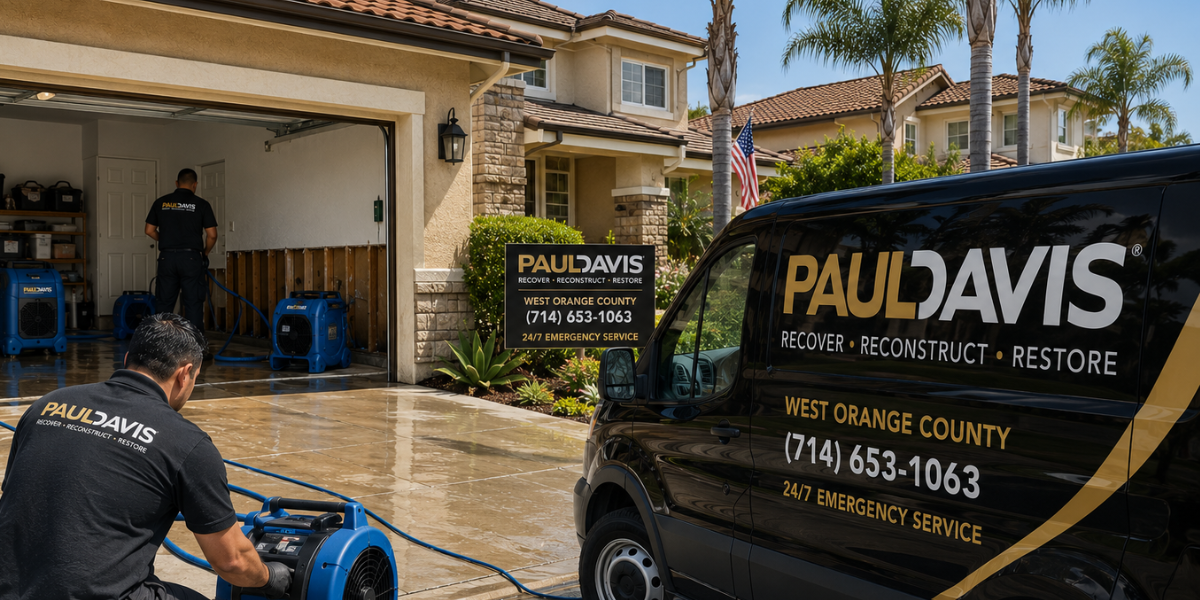
Paul Davis Restoration of West Orange County, CA is a locally owned and family operated restoration company providing 24/7 emergency water damage restoration, fire and smoke damage repair, and mold remediation to homes and businesses in Huntington Beach, Cypress, Westminster and the surrounding Orange County communities. The franchise is led by owner Ajay and staffed by technicians certified through the Institute of Inspection, Cleaning and Restoration Certification.

How fast can a restoration company reach a property in West Orange County?

Water does not wait for business hours. Neither does mold behind a kitchen wall or smoke damage after a small electrical fire. The first hour after a loss often decides how much of a property can be saved and how much has to be torn out, and the West Orange County team has built its entire operation around that hour.

Paul Davis Restoration of West Orange County targets a 30-minute first contact and aims to have a certified technician on site within 60 minutes of an emergency call. The company operates 24 hours a day, seven days a week, including nights, weekends and holidays, across Huntington Beach, Cypress, Westminster and neighboring cities.

That target is not marketing language for its own sake. Industry research shows a majority of restoration customers hire the first company that actually answers the phone, which means a fast human response during a crisis is often the difference between a contained loss and a spreading one.

Speed also protects the structure. Standing water begins migrating into subfloors, baseboards and wall cavities within hours, and mold growth can follow within a day or two under the right conditions. Technicians arrive with moisture meters and thermal imaging equipment so they can map how far water has traveled without cutting open walls that may not need to come out.

Nadia Miranda, a customer who called after a kitchen leak, described the experience this way in a review: “I was afraid that because of the time of occurrence nobody would be able to come out, but luckily Ajay was able to help and get someone to us almost immediately. Diego, the technician who came out, was very professional and knowledgeable. He answered all of our questions with clarity and honesty, making us feel completely relieved.”

What certifications should a water damage restoration company have?

Every technician on the West Orange County crew holds IICRC certification, the industry credential issued by the Institute of Inspection, Cleaning and Restoration Certification. Coursework includes Water Damage Restoration, Applied Structural Drying and Odor Control. These certifications are required for participation in national insurance vendor programs.

For pre-1978 properties, the team follows documented handling procedures for asbestos in acoustic ceilings and lead paint, in line with EPA lead-safe practices and South Coast AQMD Rule 1403. Property owners in older neighborhoods such as Rossmoor and Garden Grove should confirm any contractor can show this compliance before demolition begins.

Which West Orange County neighborhoods face the highest restoration risk?

Restoration challenges in this territory are not uniform. The type of damage, and the right way to dry and rebuild, changes from one ZIP code to the next.

Coastal Huntington Beach and Huntington Harbour

Properties near the water deal with saltwater intrusion and salt air corrosion that damage plumbing fixtures, flashing and HVAC components in ways freshwater never does. Waterfront homes often include teak, exotic hardwoods and custom stone that call for low-invasive drying rather than replacement.

Fountain Valley, Rossmoor and mid-century slab homes

These areas contain large numbers of homes built on concrete slabs, including neighborhoods of houses with radiant heating pipes embedded in the floor. Decades of soil movement and pipe corrosion produce slab leaks that stay hidden until flooring and cabinetry have already suffered. Detecting and repairing those leaks without destroying original terrazzo or polished concrete takes a different approach than a standard burst pipe call.

Garden Grove, Westminster and Stanton commercial corridors

Restaurants and strip malls carry elevated risk from kitchen fires, grease trap overflows and sprinkler malfunctions. Damage in one unit frequently spreads to neighboring tenants. The crew works around business hours where possible so kitchens and storefronts can reopen quickly.

How does Paul Davis handle insurance claims?

Paul Davis Restoration of West Orange County works with all insurance carriers, bills carriers directly and provides itemized line-item estimates rather than lump-sum pricing. A dedicated quality assurance department reviews every estimate before submission to confirm it meets carrier requirements, which shortens claim cycle time for the property owner.

Restoration customers consistently name the same frustrations with this industry: poor communication, unexplained delays, cost overages and no clear guidance on how to work with an adjuster. The West Orange County team treats those complaints as the problem to solve, acting as the point of contact between the homeowner, the carrier and any other vendors on the job.

Robert Villarreal, a local Realtor who referred the company to a client after a tenant flood, noted in his review: “As a Realtor, who refers vendors to clients, my reputation is on the line every time I make a recommendation. My client shared that the Paul Davis team was responsive, professional, and moved quickly to address the issue.”

Service area, hours and guarantees at a glance

Services: Water damage restoration, fire and smoke damage repair, mold remediation, storm damage cleanup, and full reconstruction for residential and commercial properties.

Cities served: Huntington Beach, Cypress, Westminster and surrounding West Orange County communities.

ZIP codes served: 92646, 92647, 90630, 92683 and neighboring areas.

Hours: 24 hours a day, 7 days a week. Weekend appointments available by request.

Estimates: Free estimates once a Statement of Work is signed.

Languages: English, Spanish and Hindi.

Discounts: Military discounts available.

Guarantees: Parts and labor guarantee, workmanship guarantee and full warranty on completed repairs.

Accessibility and parking: Wheelchair accessible entrance and parking lot, with free on-site parking.

Where can property owners follow the company?

Seasonal prevention reminders, storm preparation notices and community updates are posted regularly on the company’s Facebook page. You can also follow them on YouTube.

Frequently asked questions

Does Paul Davis Restoration of West Orange County offer 24 hour emergency service?

Yes. The company answers emergency calls 24 hours a day, seven days a week, and dispatches certified technicians to Huntington Beach, Cypress, Westminster and nearby communities on nights, weekends and holidays.

Are estimates free?

Estimates are free once a Statement of Work is signed. Pricing is presented as itemized line items so property owners can see exactly what is being charged and why.

Does the company work directly with insurance companies?

Yes. Paul Davis Restoration of West Orange County works with all carriers, submits documentation on the property owner’s behalf and offers billing options.

What should a homeowner do first after discovering water damage?

Shut off the water supply if the source can be safely reached, avoid entering rooms with standing water near electrical outlets, and call a certified restoration company right away. Photographing the damage before cleanup begins helps support the insurance claim.

About Paul Davis Restoration of West Orange County

Paul Davis Restoration of West Orange County, CA is a locally owned and family operated franchise providing emergency water damage restoration, fire and smoke damage repair, mold remediation and full reconstruction to residential and commercial property owners across West Orange County. The team operates around the clock, holds IICRC certification and works directly with insurance carriers on behalf of property owners. The Paul Davis approach follows four principles: respond, resolve, restore and return. Service details, emergency contact information and full service area coverage are available at Paul Davis Restoration of West Orange County.

Exclusive Hand Treatment Launches Through New Partnership Between Squeeze Massage and MAËLYS

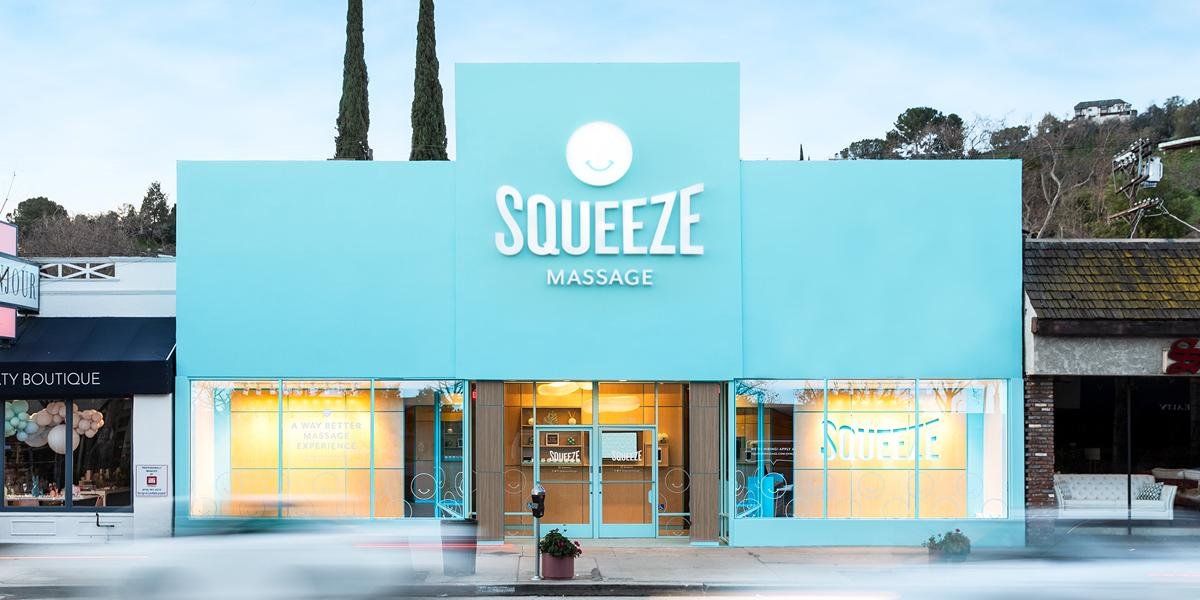
NORWALK, Conn., July 28, 2026Squeeze Massage has announced a new partnership with body-care brand MAËLYS to introduce an exclusive MAËLYS Hand Treatment. The service is now available as a Premium Enhancement at Squeeze Massage locations across the country.

The two-step treatment combines hand massage with products from the MAËLYS Barrier Repair body-care line. It is designed to nourish and hydrate the hands while leaving the skin feeling softer, smoother, and moisturized.

Photo Courtesy: Squeeze Massage

“We are always looking for meaningful ways to allow guests to personalize their massage experiences,” said Jessica Yarmey, president of Squeeze Massage. “Partnering with MAËLYS allows us to introduce a premium enhancement that delivers a truly personalized wellness experience.”

The partnership represents the first national collaboration between Squeeze Massage and MAËLYS. It brings together two brands focused on providing approachable, high-quality self-care experiences intended to help people look and feel their best.

“At MAËLYS, we believe body care should be more than another step in your routine; it should be a moment that helps you reconnect with yourself,” said Rom Ginzburg, CEO of MAËLYS. “Partnering with Squeeze allows us to bring that philosophy to life by integrating results-driven body care into an experience that’s already centered around self-care.”

The MAËLYS Hand Treatment may be added to any 80-minute massage session. The treatment features a two-step application of MAËLYS SO-SILKY Foaming Body Scrub and SO-RICH Barrier Body Butter, paired with massage techniques intended to soothe tired hands while providing hydration and skin-conditioning benefits.

Photo Courtesy: Squeeze Massage

The launch will be supported through digital marketing, social media, email campaigns, in-shop merchandising, influencer collaborations, and promotional offers.

The MAËLYS Hand Treatment is now available at Squeeze Massage locations across the country.

About Squeeze Massage

Squeeze Massage provides a modern massage experience through thoughtfully designed spaces, an intuitive app, and a guest-centered approach. With 12 locations across the country, the franchise was created to bridge the gap between luxury spas and budget-friendly massage chains.

From booking through checkout, the Squeeze experience is designed to simplify self-care and provide a more convenient massage experience for modern consumers. More information is available at www.squeezemassage.com.

About MAËLYS

MAËLYS develops body-care products for common concerns experienced by women at different stages of life. Its targeted products are designed to hydrate, soften, and nourish the skin while helping women feel confident in their bodies.

MAËLYS products are available directly through maelyscosmetics.com, at Ulta Beauty stores nationwide, and through Amazon and TikTok Shop.

The Quiet Labor Squeeze in Oil and Gas Back Offices, and What It Is Costing Independent Producers

By: Grant Ellison

The economics of American oil and gas are usually told from the field: rig counts, breakeven prices, barrels per day. But a quieter constraint has been tightening in the office parks of Dallas-Fort Worth, Midland, and Houston, and it has little to do with geology and engineering. The industry is running short of the specialized accountants who keep its wells legible, and the shortage is quietly taxing the independent producers who can least afford it.

Oil and gas accounting is a genuinely niche discipline. Intangible drilling costs, depletion, joint interest billings, working interests, COPAS standards, and severance tax rules form a body of knowledge that general accountants rarely touch. The professionals who hold it are aging into retirement faster than firms can replace them, and fewer young accountants are entering the specialty behind them.

“One accountant is doing the work of two or three people,” says Austin Williams, a sixteen-year veteran of the field and the founder of Upstream, a Dallas-Fort Worth firm that provides outsourced oil and gas accounting alongside a decision platform called Upstream+. “Constantly going, constantly processing. No time to think strategically, because the truck has to keep moving.”

The cost of that overload does not show up as a line item. It shows up as stale information. In most small and mid-size operators, well data sits fragmented across an accounting system, a collection of spreadsheets, emailed PDFs, and one-off custom reports. When an executive or field manager needs an answer, an already stretched accountant stops month-end closing, exports data, and rebuilds the answer by hand. Too often, today’s decisions are made using last month’s, or even last quarter’s data because that’s all that’s readily available.

Williams argues the inefficiency compounds at exactly the wrong moments, and the clearest example is when assets change hands. Wells in the United States move constantly through divestitures, acquisitions, and private equity recapitalizations. The financial operating data, however, almost never moves with them. New owners typically inherit a folder of PDF statements and Excel workbooks rather than a structured well-level history, which means paying twice: once to acquire the asset, and again to reconstruct what the previous owner already knew. Williams says he has seen operators spend between one to two hundred thousand dollars on accounting work just to rebuild their own asset history into a usable form. Across an industry that transacts as frequently as this one, that reconstruction cost functions like a private tax on every deal.

Non-operated interest owners may absorb the most disproportionate costs of all. A non-op investor with positions across multiple operators receives a monthly blizzard of joint interest billings and revenue statements, nearly all of them as PDFs. Before tax season, someone with enough expertise to read those statements has to type the figures into spreadsheets so that deductions are coded correctly. Williams estimates that a non-op investor with a few hundred wells can end up spending as much as eighteen times more on a tax return than the underlying asset actually requires, not because the return is complicated, but because the inputs are buried in documents nobody digitized.

The response taking shape is not a hiring wave. The accountants, as Williams puts it, are simply not there to hire. Instead, firms are turning to technology that makes the existing workforce dramatically more productive, and Upstream+ offers a case study in the approach. Williams believes the Lease Operating Statement should serve as the operational hub where financial and operational information comes together, rather than remaining the static accounting report it has traditionally been. Rather than replacing existing accounting systems, the platform connects to whatever is already in place and unifies the data into a live, interactive lease operating statement that owners and managers can interrogate themselves, down to the individual pumper, producing geological formation, or invoice. The firm also recently automated the non-op paper problem, converting stacks of PDF statements into uploadable data files in minutes rather than days.

Those productivity gains show up in the day-to-day work the firm takes on. In one engagement Williams describes, an operator arrived with three years of unreconciled books. Over the following months, the team rebuilt its chart of accounts, reconciled its joint interest billings, brought its sales tax filings current in two states, and helped it return to filing federal taxes on time. Sales tax work across a client’s drilling and completion programs is one area where lean back offices tend to miss recoverable costs. The firm’s approach is also designed to shorten the month-end close without changing systems or adding headcount, and its review work can surface unnecessary repair and maintenance spending that thin staffing had left unexamined.

There is also a labor-economics wrinkle in how the firm prices its human work. Williams bills fixed fees rather than hourly rates, arguing that the billable hour rewards slow work and punishes efficiency. He is frank that the honest version of that model carries thin margins. Commercializing Upstream+, the firm’s decision platform, was a strategic step toward diversifying the business, while automation absorbs routine work so accountants can focus on the higher-value analysis they were trained to provide.

None of this makes the labor shortage disappear, and Williams is careful not to frame technology as a replacement for expertise. Upstream+ does not prepare a return or defend an audit. What it changes is the ratio. It shifts how many wells one skilled accountant can responsibly oversee, and how much of their week is spent exercising judgment rather than performing repetitive, manual work. In a specialty whose workforce is shrinking at both ends of the age curve, that ratio may be the number that matters most.

According to the company, more than forty independent producers, non-operators, and private-equity-backed operators now work with Upstream, which co-sources more than four thousand well operations across its client base.

The broader lesson extends past one firm. The American energy sector spent two decades transforming what happens below ground while leaving its information layer largely untouched. As the accounting workforce contracts, the operators who thrive will likely be the ones who stop treating back-office data as an afterthought and start treating it as infrastructure. The shortage, in other words, may accelerate a modernization the industry was already overdue to embrace.

Details on the platform are available at upstreamreporting.com, and Williams publishes his commentary on the industry’s back-office economics on LinkedIn.