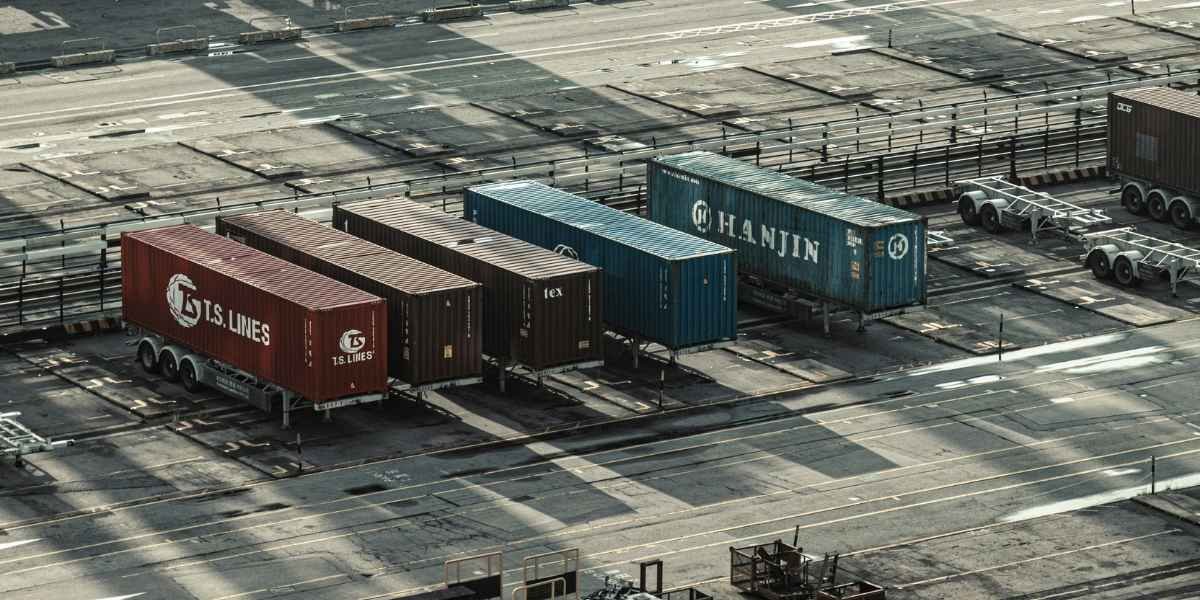
China export surge figures for July show Chinese shipments rising sharply as high-tech products gain ground across global markets. The shift matters for U.S. manufacturers because domestic factory activity remains in expansion while new orders and backlogs have cooled. The latest data shows how trade flows, factory demand and operating costs are intersecting.
Key Takeaways
- China’s exports rose 23.9% year over year in U.S. dollar terms in July, reaching about $397.9 billion.
- U.S. manufacturing PMI registered 54.6 in August, down from 55.6 in July but still in expansion.
- U.S. new orders slowed to 53.7 from 56.7, while backlogs fell to 51.8 from 55.0.
- China’s official August manufacturing PMI improved to 49.8, with production and new orders moving above 50.
China Export Surge Expands Beyond Traditional Goods
China’s export performance strengthened the competitive backdrop for U.S. manufacturers in July, particularly across technology-linked and industrial product categories.
Customs figures reported by Caixin showed exports rising 23.9% from a year earlier to roughly $397.9 billion. Imports increased 27.5% to about $285.4 billion, producing a trade surplus of $112.5 billion.
Official Chinese government data showed similar momentum when measured in yuan. Total goods trade increased 19.2% year over year in July, while exports rose 17.8%. Exports of high-tech products, including industrial robots and 3D printers, increased by more than 50% from a year earlier, according to data from the General Administration of Customs.
The product mix matters because competition increasingly extends beyond traditional consumer merchandise. Electronics, machinery, industrial equipment and transportation products place Chinese suppliers in several categories also served by American manufacturers.
The effect is not limited to Chinese goods entering the United States. U.S. manufacturers also compete for customers in Europe, Asia and other international markets, meaning wider Chinese distribution can affect contract pricing, supplier relationships and market positioning.
China’s August factory data showed that conditions inside the country remained uneven. The official manufacturing PMI rose to 49.8 from 49.2 in July, remaining slightly below the 50 threshold associated with expansion.
Production improved to 50.4 and new orders increased to 50.6. The employment index, however, remained below 50 at 48.7, while the PMI for small manufacturers stood at 47.9.
U.S. Manufacturing Grows as Order Momentum Slows
U.S. manufacturing remained in expansion during August, although several demand indicators lost momentum.
The Institute for Supply Management reported a Manufacturing PMI of 54.6, down one percentage point from 55.6 in July. Production registered 58.3, while employment remained above the expansion threshold at 51.2.
New orders declined to 53.7 from 56.7. The Backlog of Orders Index fell to 51.8 from 55.0, while the Imports Index slowed to 52.5 from 55.7. New export orders edged higher to 53.2 from 53.0.
Susan Spence, chair of ISM’s Manufacturing Business Survey Committee, said manufacturing remained in expansion but had “lost ground in a number of key measures,” including new orders, backlogs and imports.
The distinction is important. The figures do not indicate a broad contraction in U.S. manufacturing. They show continued factory growth alongside a slower pace in parts of the order pipeline.
Costs remain another concern for manufacturers. ISM’s Prices Index held at 71.1 in August, indicating that surveyed manufacturers continued to report higher input prices. Supplier deliveries also slowed for a ninth consecutive month.
Other operating expenses are affecting parts of the industrial sector as well. Rising factory electricity costs have become a greater consideration for manufacturers in power-intensive regions as demand on regional grids increases.
When new-order growth slows while costs remain elevated, manufacturers may have less flexibility on pricing, production schedules and inventory decisions. Increased competition from overseas suppliers adds another variable to those decisions.
High-Tech Demand Reshapes Manufacturing Competition
Technology demand is playing a larger role on both sides of the trade picture.

Photo Credit: Unsplash.com
China’s July figures showed particularly strong growth in advanced manufactured exports. At the same time, U.S. trade data recorded a sizable increase in total goods imports during the month.
The U.S. Census Bureau reported that the goods trade deficit widened to $118.8 billion in July from $101.4 billion in June. Goods exports declined by $6 billion to $199.4 billion, while imports increased by $11.4 billion to $318.2 billion.
Those figures cover U.S. trade with all countries, not China alone. They therefore should not be treated as a direct measure of Chinese competition.
They do show that imported products continue to account for a substantial share of U.S. commercial activity as manufacturers manage changing demand and elevated operating costs.
Demand for computing equipment, electronics and related technology products adds another layer. Recent U.S. capital goods orders have shown stronger activity in computers and electronic products even when machinery and fabricated-metal categories have been less uniform.
That matters because the current China export surge is concentrated partly in products tied to advanced manufacturing and technology demand rather than being evenly distributed across every export category.
For U.S. manufacturers, the latest numbers present a mixed industrial picture. Domestic manufacturing remains in expansion, production is growing and new export orders improved slightly in August. At the same time, new orders and backlogs slowed while input prices remained elevated.
China’s factory sector is also mixed, with the headline PMI still below 50 despite stronger production and new-order readings. The China export surge therefore adds a competitive factor to an environment in which manufacturers on both sides are navigating uneven demand, higher-value production and changing global trade flows.
Frequently Asked Questions
What is driving the latest rise in China’s exports?
China’s July exports were supported by strong shipments across high-tech and industrial product categories. Official Chinese data showed particularly rapid growth in products including industrial robots and 3D printers.
Is U.S. manufacturing currently contracting?
No. ISM’s August Manufacturing PMI was 54.6, which remained above the 50 level associated with expansion. The index did decline from July, while new orders and backlogs also grew at slower rates.
How does the China export surge affect U.S. manufacturers?
The China export surge can increase competition for U.S. producers that sell comparable machinery, electronics and industrial products in domestic or overseas markets. The level of exposure varies by sector, product category and customer base.
What happened to U.S. factory orders in August?
ISM’s New Orders Index remained in expansion at 53.7 but declined from 56.7 in July. The Backlog of Orders Index also slowed, falling to 51.8 from 55.0.
Why does China’s August manufacturing PMI matter?
China’s official manufacturing PMI increased to 49.8 in August but remained slightly below the expansion threshold. Production and new orders moved above 50, showing stronger activity in parts of the manufacturing sector despite the softer headline reading.