By: Oscar Miller
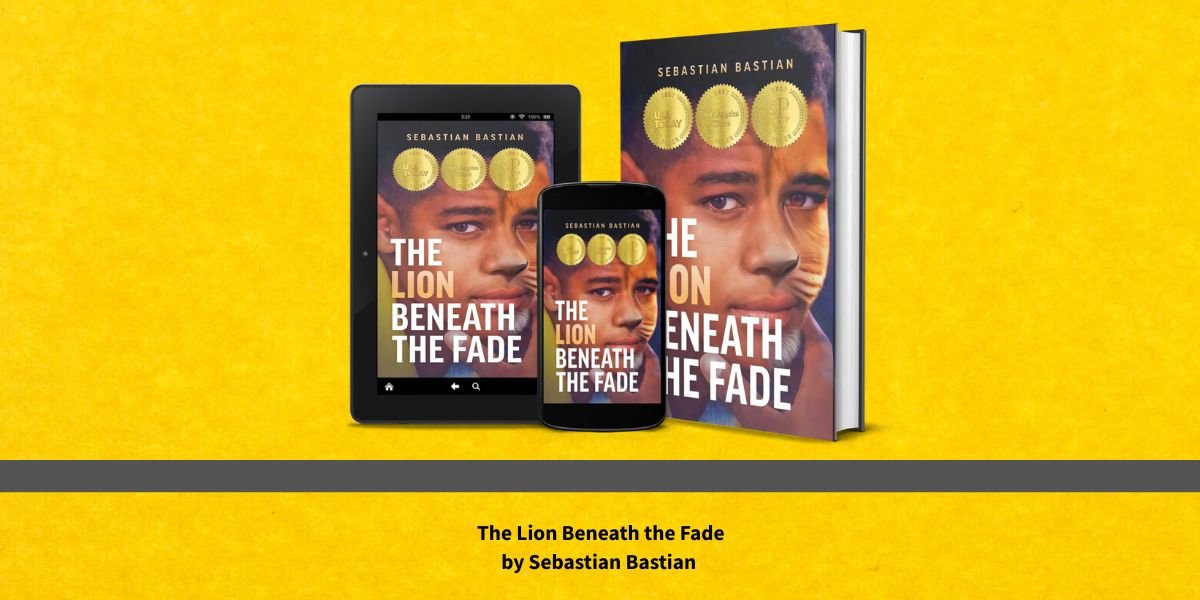
Most books written by people who achieved extraordinary things at a young age spend considerable energy making the achievement seem inevitable in retrospect, arranging the narrative so that each step appears to lead naturally to the next. Sebastian Bastian does not write that kind of book. The Lion Beneath the Fade is notable for the honest way it sits with the uncertainty, the near-misses, and the mistakes that almost took everything down, along with decisions that paid off not because they were obviously correct at the time but because Bastian had developed a way of thinking about risk and opportunity that allowed him to act with conviction even under genuine uncertainty.
That honesty is the quality that makes the reading experience engaging and genuinely useful. Bastian is not asking readers to admire what he built. He is asking them to understand how he thought about building it, which is a more generous and more practically valuable thing to offer.
The account of his early side hustles in The Bahamas, including his father’s trajectory from supermarket employee to restaurant owner, gives the book a cultural specificity that lifts it above the generic entrepreneurship genre. It roots the story in the actual lived experience of building something in a specific place, with specific constraints and specific opportunities that larger markets don’t offer.
The frameworks introduced throughout the book grow from that lived experience rather than being imported from business school curricula. This origin gives them a grounded practicality that more formally constructed frameworks often lack.
His thinking on resilience in the face of specific crises, including a government shutdown of internet shops that threatened one of his core businesses and the adaptation required by COVID-19 restrictions, stands out for a particular reason. It shows resilience not as a personality trait to be admired but as a set of specific cognitive and strategic responses that can be learned and practiced.
Bastian’s reorientation of success around legacy rather than achievement is one of the book’s most distinctive contributions. It resonates most deeply with readers who have been operating in hustle culture long enough to have started feeling its limitations.
The argument that what someone builds should ultimately be evaluated by what it creates for others, the communities it serves, the entrepreneurs it enables, the opportunities it opens, gives the book a moral dimension. Purely tactical entrepreneurship guides consistently lack that dimension.
The Lion Beneath the Fade treats its reader as someone capable of genuine strategic thinking rather than someone who needs to be motivated into action. Bastian shares his experience with unusual honesty and offers tools for thinking about opportunity and risk that apply well beyond the specific industries that shaped them.
The Lion Beneath the Fade by Sebastian Bastian offers that kind of guide, one built to respect the reader’s intelligence, shared with genuine honesty, and structured around frameworks for thinking about opportunity and risk that hold up under real pressure. It rewards readers willing to consider their own path the way someone who has already walked it considers theirs.
If you are ready for an entrepreneurial guide that respects your intelligence, shares its experience with genuine honesty, and gives you frameworks for thinking about opportunity and risk that actually hold up under real pressure, The Lion Beneath the Fade by Sebastian Bastian is waiting for you on Amazon. Pick up your copy and start thinking about your own path the way someone who has already walked it thinks about theirs.