Apple is placing U.S. chip sourcing at the center of a major supplier update with Broadcom. The agreement, expected to exceed $30 billion, is set to produce more than 15 billion U.S.-made chips tied to wireless connectivity components used across Apple products.
Key Takeaways
- The agreement is expected to exceed $30 billion.
- More than 15 billion U.S.-made chips are expected to come from the arrangement.
- Broadcom will expand and modernize its Fort Collins, Colorado, facility.
- The work focuses on custom silicon, FBAR filters, and wireless connectivity technologies.
Apple has turned a supplier agreement into a larger story about where key device components are made. The company said its new multiyear commitment with Broadcom will support the design and production of custom silicon components and wireless connectivity technologies for a wide range of Apple products.
The agreement, announced July 8, 2026, is expected to exceed $30 billion. Apple said it will lead to the production of more than 15 billion U.S.-made chips and support hundreds of American jobs.
The scale gives the announcement wider relevance. For many consumers, chip sourcing often appears distant from daily device use. In this case, Apple tied the agreement to wireless components that help products connect to cellular networks, Wi-Fi, and Bluetooth.
Broadcom is part of Apple’s American Manufacturing Program, which the company launched last year to increase U.S. manufacturing work across selected parts of its supply chain. Apple said this agreement is its largest commitment under that program to date.
What Role Will Fort Collins Play In The Apple And Broadcom Agreement?
Apple said Broadcom will expand and modernize its manufacturing facilities in Fort Collins, Colorado, with $1.5 billion in capital expenditure. The Colorado site will produce advanced radio frequency components, including FBAR filters, along with advanced wireless connectivity technologies.
A Facility With A Specific Job
The Fort Collins location gives the agreement a clear production center. It also makes the story more concrete than a standard supplier update. The chips involved are not final consumer products. They are parts that sit inside devices and help manage wireless signals.
Broadcom President and CEO Hock Tan said the company was “pleased to expand our manufacturing footprint in Fort Collins,” adding that the site creates technology that connects people around the world.
Apple and Broadcom have worked together for years. Reuters reported that the companies had been developing FBAR filters together since at least 2023, and that the current deal runs through 2031.
Why Do FBAR Filters Matter Inside Apple Devices?
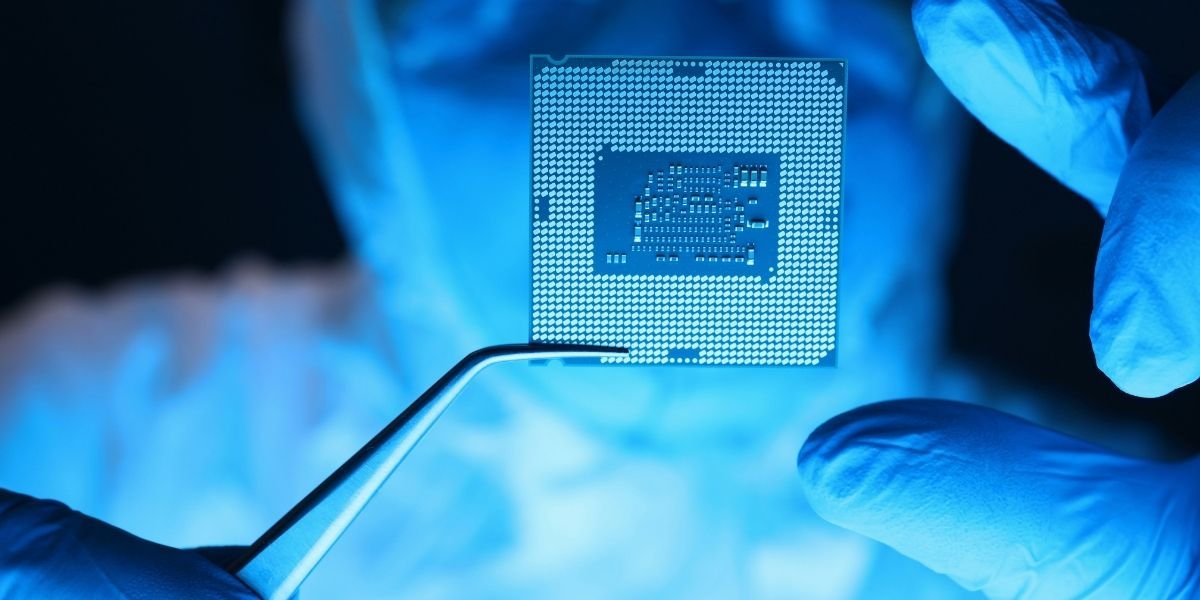
Apple and Broadcom are focusing on components that usually receive little attention during product launches. FBAR filters, or film bulk acoustic resonator filters, are radio frequency components used in wireless systems. They help devices separate and manage signals so that communication features can operate properly.
For consumers, that work appears in ordinary device behavior. A phone switching between wireless networks, a tablet holding a stable Wi-Fi connection, or a watch communicating with nearby devices all rely on several hardware layers working together.
The agreement does not mean these components alone determine product performance. Wireless reliability depends on a wider system that includes antennas, processors, software, battery design, and network conditions. But radio frequency components remain one part of that system.
The same sourcing discussion fits into a wider technology market where chip design, fabrication capacity, and supplier relationships have become closely watched. Recent advanced chip design developments show how much attention hardware architecture now receives across major technology companies.
How Does The Broadcom Deal Fit Apple’s Wider Supply Chain?
Apple has not said that this agreement changes where final devices are assembled. Its device supply chain remains global and layered. A finished product can include parts from several suppliers and regions before final assembly takes place.
The Broadcom agreement instead points to a more targeted shift. Apple is highlighting U.S.-based production for specialized components, not presenting the move as a full relocation of device manufacturing.
That distinction is important. Modern electronics production does not usually happen in one place. Chips, glass, sensors, packaging, displays, and final assembly can all involve different companies and locations. Apple’s latest announcement focuses on one part of that broader structure.
Reuters also reported that Broadcom supplies Apple with radio frequency chips used in iPhones for cellular network connections, Wi-Fi, Bluetooth, and other networking functions. Analysts cited by Reuters said Apple accounts for about 20 percent of Broadcom’s annual revenue.
The agreement gives Broadcom a continued role in Apple’s hardware pipeline through 2031. It also gives Apple a clearer U.S. sourcing point for wireless components that are expected to support future product generations.
What Makes This A Broader Chip Industry Story?
Apple’s announcement arrives during a period when major technology companies are paying closer attention to chip availability, custom silicon, and supplier concentration. Demand for advanced processors has increased across consumer devices, data centers, and artificial intelligence systems.
The Apple and Broadcom agreement is different from deals focused on large AI accelerators or server chips. Its focus is radio frequency and wireless connectivity. Still, it belongs to the same broader hardware environment, where companies are mapping out longer-term supplier relationships and component access.
The broader AI chip supply chain has also placed greater attention on fabrication capacity, geographic sourcing, and the role of companies such as TSMC. Reuters reported that Apple relies on TSMC for its in-house processors, including M-series chips for Macs and A-series chips for iPhones.
That context helps explain why a wireless component deal can draw attention. The chips may be small, but the sourcing timeline is long. A deal running through 2031 signals planning across several product cycles.
Frequently Asked Questions
What did Apple announce with Broadcom?
Apple announced a new multiyear agreement with Broadcom to design and produce custom silicon components and wireless connectivity technologies. The agreement is expected to exceed $30 billion.
How many U.S.-made chips are expected from the agreement?
Apple said the agreement will lead to the production of more than 15 billion U.S.-made chips. The components will include advanced radio frequency parts such as FBAR filters.
Where will Broadcom produce the chips?
Broadcom will expand and modernize its Fort Collins, Colorado, facility. Apple said the site will produce advanced radio frequency components and wireless connectivity technologies.
Does this mean Apple devices will be fully made in the U.S.?
No. The announcement focuses on selected components, not full device assembly. Apple’s supply chain remains global and includes many suppliers, facilities, and production steps.
Why are FBAR filters important?
FBAR filters help manage wireless signals inside devices. They support functions tied to cellular connections, Wi-Fi, Bluetooth, and other wireless communication features.