As e-commerce businesses continue to grow and adapt to a rapidly changing global market, understanding the impact of tariffs is crucial. With tariffs and trade policies shifting, many companies are reevaluating their supply chain strategies and pricing decisions to maintain profitability and competitiveness. Chris Rivera, CPA and founder of The Ecommerce Accountants, shares his insights on how businesses can navigate tariff uncertainty as they head into 2026.
Adjusting Supply Chains Amid Tariff Uncertainty
E-commerce businesses are making significant changes to their supply chain strategies amid tariff uncertainty. One notable shift is the movement away from dropshipping towards bulk purchasing and holding inventory. While dropshipping allows businesses to avoid maintaining large stockpiles, it also exposes them to tariff fluctuations and higher shipping costs.
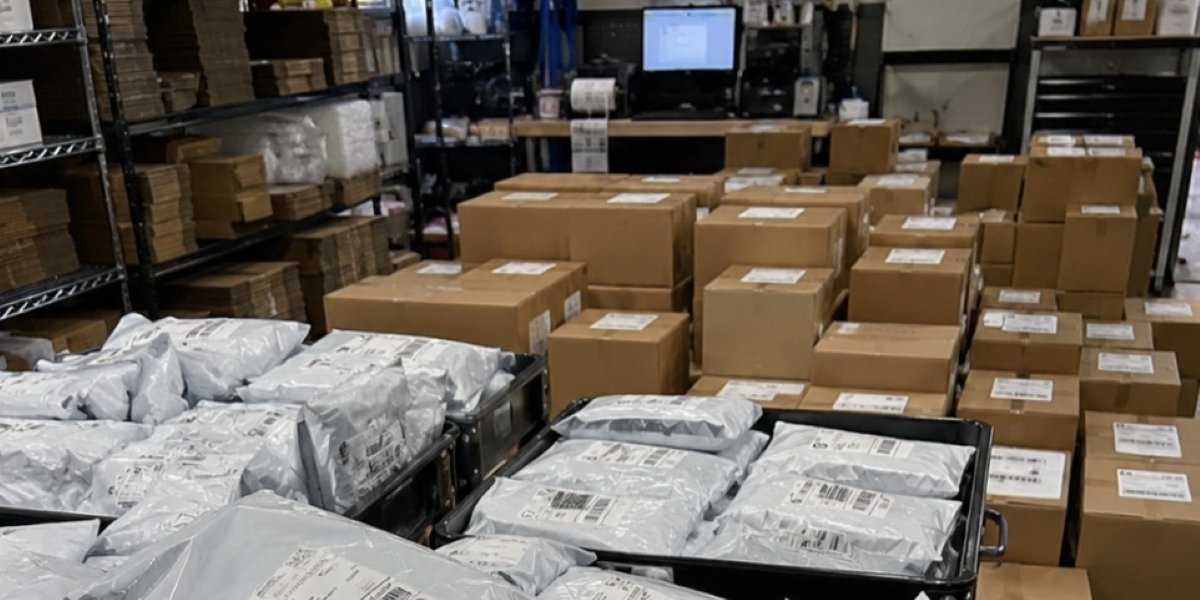
By taking control of inventory and consolidating shipments, businesses can mitigate the effects of tariffs. This approach allows e-commerce brands to manage their landed costs better and reduce the impact of tariff increases. Holding inventory means businesses can spread tariff costs across larger volumes of goods, ultimately lowering the per-unit impact.
However, shifting to bulk purchasing requires careful planning. Businesses must have the resources to manage and store inventory effectively and anticipate changes in consumer demand to avoid overstocking. This strategy also requires a more strategic approach to cash flow management, as businesses must invest in inventory upfront.
Monitoring Key Financial Metrics
As tariffs increase, e-commerce businesses must closely monitor several key financial metrics. The most important of these is landed cost, which includes all costs associated with getting a product from the supplier to the customer, including tariffs. Monitoring landed cost on a per-SKU basis is essential for making informed pricing and ad-spend decisions.
When tariffs rise, landed costs directly affect the business’s gross margin and reorder quantities. This, in turn, impacts other financial metrics such as breakeven ROAS (return on ad spend) and contribution margin. For e-commerce brands to stay competitive and profitable, understanding their actual landed cost is crucial. Without this knowledge, pricing and advertising strategies become increasingly difficult to optimize.
E-commerce businesses that fail to track landed costs accurately may find themselves at a disadvantage, unable to respond effectively to tariff changes. Consistent monitoring of these financial metrics enables businesses to adjust pricing, inventory purchases, and marketing efforts as needed.
The Role of CPAs in Sourcing Decisions
While tariffs are a key factor in sourcing decisions, they are rarely the sole determining factor. When considering shifting sourcing to tariff-exempt countries or restructuring supply chains, e-commerce businesses should work with their CPAs to evaluate the financial implications.
Rivera emphasizes that while a CPA can model the financial impact of different sourcing strategies, the final decision rests with the business owner. CPAs can provide valuable insights by modeling changes to landed costs, margins, and cash flow, but many other factors influence a business’s viability. These factors include performance metrics like return on ad spend, product-market fit, return rates, shipping costs, and operational overhead.
Tariffs are just one piece of the puzzle, and their impact should be considered alongside other key factors when making sourcing decisions. While shifting to a tariff-free country might seem attractive, businesses must weigh the costs and benefits in the context of their broader operations and long-term strategy.
How Tariffs Affect Pricing and Consumer Demand
One immediate impact of tariffs on e-commerce businesses is their effect on pricing decisions and customer demand. In many cases, companies must decide whether to absorb the increased costs themselves, pass them onto consumers, or use a combination of both.
Rivera notes that businesses are taking a variety of approaches. Some e-commerce brands choose to pass a portion of the tariff costs onto customers by strategically raising prices. Others may decide to absorb the cost themselves to protect their conversion rates, especially in highly competitive markets. In some cases, suppliers in countries like China may absorb part of the increase to maintain their business relationships with e-commerce sellers.
In practice, the outcome is often a blend of these strategies. The seller may absorb some of the tariff costs, pass some along to customers, and negotiate discounts with suppliers to offset the remaining costs. This mixed approach can help businesses maintain their competitive edge while managing the impact of rising tariffs.
Financial Modeling for Future Tariff Increases
Looking ahead to 2026, e-commerce businesses will likely continue to face tariff uncertainties. Rivera predicts that a common strategy for navigating these challenges will be a cost-sharing model. Under this model, businesses will pass some of the tariff costs onto customers while absorbing part of the increase themselves.
To prepare for future tariff changes, businesses should model multiple scenarios to determine the financial impact. Three key scenarios to test include:
- Passing the full tariff costs onto customers and assessing the impact on conversion rates.
- Absorbing the entire cost and evaluating the effect on margins.
- A split approach, where businesses pass part of the cost to customers and absorb the rest. This scenario is often the most realistic and balanced option.
By testing different pricing scenarios and understanding the potential impact on their bottom line, e-commerce businesses can make informed decisions that balance customer satisfaction with profitability.
Final Thoughts
Navigating the complexities of tariffs is essential for e-commerce businesses, especially as they prepare for 2026. By adjusting supply chains, closely monitoring financial metrics, and modeling different pricing strategies, companies can reduce the impact of tariffs and maintain profitability. While CPAs play an essential role in evaluating the economic implications of sourcing and pricing decisions, ultimately, business owners must weigh all factors, tariffs included, when making strategic choices. By planning and adopting a flexible, informed approach, e-commerce businesses can stay resilient in an unpredictable global market.
Disclaimer: The information provided in this article is for general informational purposes only and is not intended as legal, financial, or professional advice. While we strive for accuracy, we make no representations or warranties, express or implied, about the completeness, accuracy, reliability, suitability, or availability of this information. Use of this information is at your own risk.