Public conversations about leadership often center on metrics, policy frameworks, or institutional reform. Yet a growing number of influential leaders are demonstrating that sustainable change frequently begins with something deeper: values.
Across nonprofit sectors, faith-driven organizations, and social reform initiatives, values-based leadership is emerging as a powerful force shaping public policy and community transformation. Among leaders helping illustrate this evolution is keynote speaker and social impact strategist Yusef-Andre Wiley, whose work blends personal conviction, faith, and practical action to address complex social challenges.
For more than 25 years, Wiley has worked at the intersection of leadership development, community reform, and social advocacy. Through keynote presentations, nonprofit initiatives, and consulting engagements, he has consistently championed the idea that leadership grounded in purpose can catalyze lasting change.
What Does Leadership Anchored in Purpose Look Like?
Values-driven leadership is hardly a new concept. Many historical reform movements, from civil rights initiatives to community development programs, were inspired by leaders whose personal convictions informed their public actions.
What distinguishes today’s movement is how leaders are integrating those values into modern organizational structures and policy conversations.
Wiley represents this shift through his leadership of Timelist Group, Inc., a nonprofit organization focused on helping individuals reenter society after incarceration. Founded to serve justice-involved individuals who often lack access to critical services, the organization provides housing assistance, employment resources, leadership development, and education programs designed to support long-term stability.
Under Wiley’s direction, Timelist Group has evolved into more than a traditional nonprofit service provider. It functions as a strategic hub that connects mentorship, personal development, and systemic advocacy, demonstrating how values can guide both operational decisions and broader reform initiatives.
How Does Faith Serve as a Strategic Foundation?
Faith-inspired leadership sometimes carries misconceptions, particularly within policy discussions where secular frameworks dominate. However, many modern reform leaders are demonstrating that faith-based perspectives can complement evidence-driven policy approaches.
Wiley’s philosophy reflects that balance. His speaking engagements frequently emphasize the idea that faith is not simply a belief system but a leadership principle rooted in accountability, service, and responsibility to others.
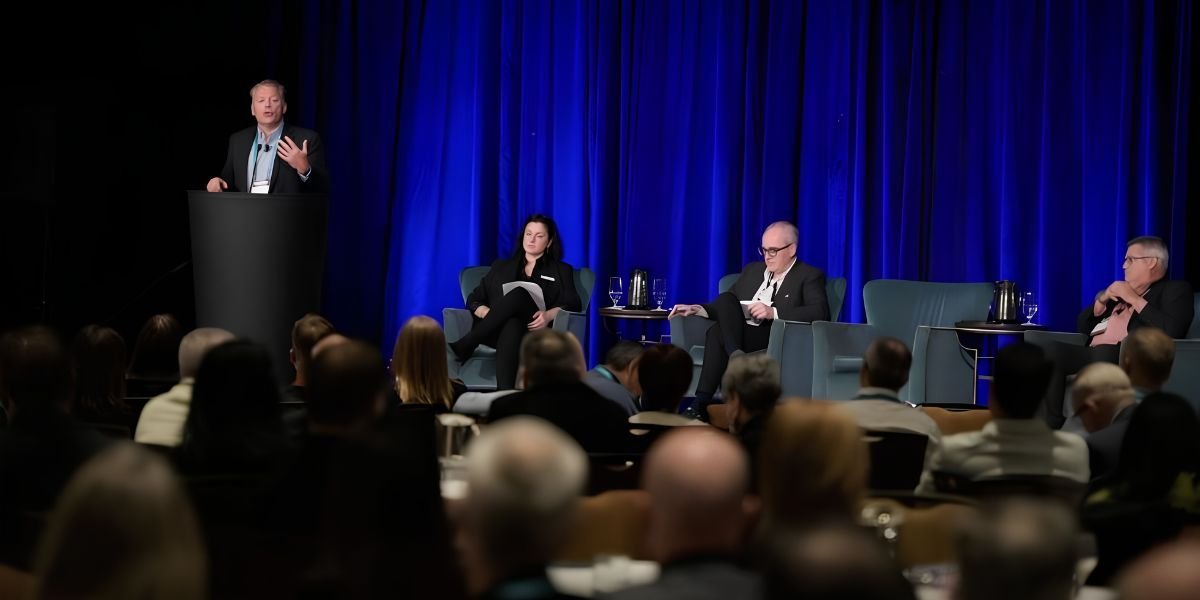
That philosophy resonates strongly with organizations seeking leadership development rooted in character as well as competence. Through partnerships with leadership communities, including the John Maxwell Team, and speaking engagements across professional audiences, Wiley has shared insights on how leaders can align personal values with organizational strategy.
The result is a leadership model that focuses not only on policy outcomes but also on human transformation.
Bridging Personal Experience and Policy Conversations
Another defining element of Wiley’s approach lies in storytelling and lived experience. Effective social reform leaders often bring personal narratives that humanize systemic issues, making complex policy discussions more accessible.
Through his writing, Wiley has explored themes of growth, reflection, and resilience. His book If I Knew Then What I Know Now offers readers lessons drawn from personal experience and leadership insights, encouraging individuals to approach life decisions with intentionality and purpose.
His more recent publication expands on similar themes, reinforcing the idea that leadership development is a continuous process shaped by experience and reflection.
These works have become extensions of Wiley’s broader mission: helping individuals recognize their potential while encouraging organizations to rethink how leadership is cultivated.
Reimagining Leadership for Modern Social Challenges
Society currently faces a wide range of complex issues, from criminal justice reform and workforce reintegration to housing stability and economic mobility. Addressing these challenges often requires collaborative leadership capable of bridging diverse perspectives.
Values-driven leaders like Wiley argue that purpose can act as a unifying force across sectors. When leaders anchor decisions in principles such as accountability, compassion, and service, policies tend to focus more directly on long-term outcomes rather than short-term fixes.
Timelist Group’s work with returning citizens illustrates this principle in action. Programs emphasize employment readiness, mentorship, and leadership development, helping participants rebuild stability while contributing positively to their communities.
Across business, government, and nonprofit sectors, conversations about leadership are increasingly shifting toward purpose and impact. Organizations are beginning to recognize that ethical leadership and values-driven strategy are not opposing forces but complementary ones.
Leaders such as Yusef-Andre Wiley continue to demonstrate how faith, purpose, and policy can work together to produce measurable social progress. By combining personal conviction with practical action, values-driven leadership offers a compelling framework for addressing some of society’s most persistent challenges.
As communities and institutions search for solutions to complex issues, this approach suggests that the future of leadership may depend not only on innovation and strategy but also on the values guiding those decisions.