By: Jay Kt
When people first meet with James Barry Watts to talk about retirement, he tells them to leave their checkbook at home. What he really wants to hear about is the life they hope to live once they stop working.
“Just bring your dreams and tell us what you want your ideal retirement to look like, and we’ll put together a plan to help get you there,” he said.
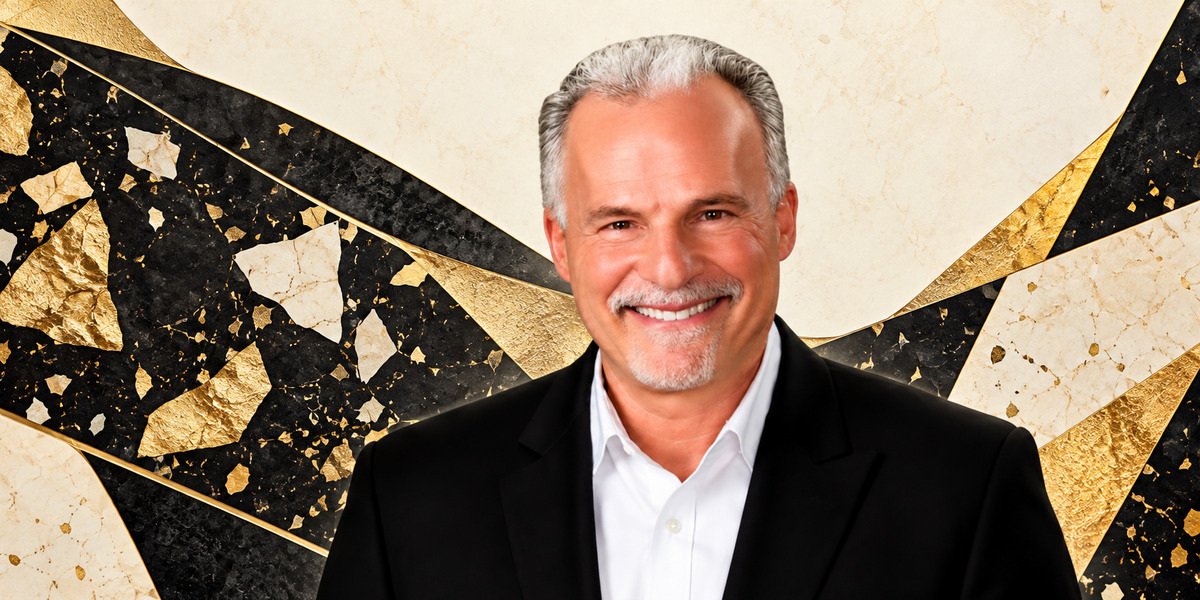
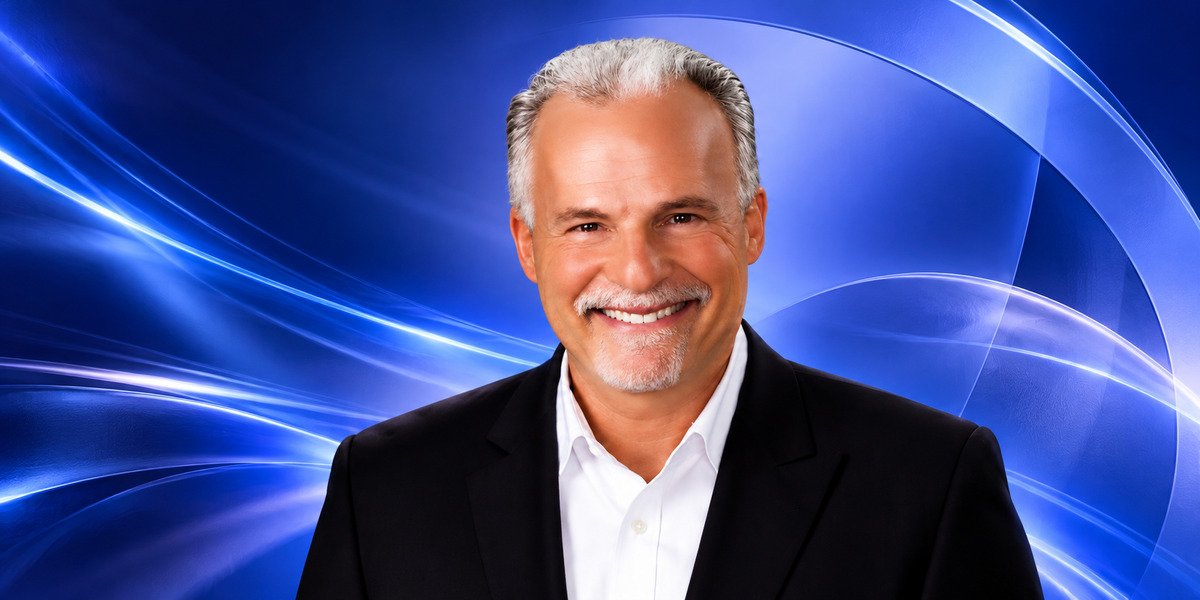
Now in his 33rd year as a Retirement Designer, Watts is the founder and CEO of WealthCare and is based in Springfield, Missouri. He became a Certified Financial Planner in 2000 and later earned credentials allowing him to represent clients before the IRS.
Today, Watts takes a long-term approach to retirement planning. Rather than focusing solely on what clients have saved, he starts with their goals, priorities, and vision for the future, then builds a strategy around them.
That can include creating sustainable retirement income, reducing taxes, and protecting the wealth they have worked hard to build, for themselves, their loved ones, and the causes they care about.
Retirement Income Planning Starts With the Person
Before his team begins building a plan, Watts begins by asking questions. He seeks to understand what clients hope to do in retirement, what matters most to them, and what they want their wealth to make possible.
Since no two clients have the same idea of a fulfilling retirement, Watts avoids making assumptions about what they need.
“It’s their retirement,” Watts said. “Our job is to help them accomplish what they desire, and often we can rearrange their finances so they can experience achievements beyond what they’d originally dreamed.”
For clients who are already retired or are nearing retirement, that may involve coordinating income from retirement accounts, Social Security, and pensions while managing taxes and preserving assets for the future. Watts tailors each income strategy to the client’s circumstances, then considers how they would like their remaining wealth to be used.
Some may want to pass generational wealth to children or grandchildren, while others might choose to support charitable causes or their communities. Business owners face additional considerations, from deciding what will happen to the companies they have built to determining how wealth will transfer when they eventually step away.
Those decisions can make estate planning strategies an important part of a client’s retirement plan, shaping a family’s financial legacy long after a person leaves the workplace.
In that sense, legacy planning begins well before assets are transferred. It starts with deciding what those assets are meant to accomplish. James Barry Watts brings those goals together through five areas of his work, including tax reduction, wealth management, risk protection, exit planning, and legacy design.
Teaching Clients to Make Sense of Retirement Taxes
Early in Watts’ career, when clients came to him with questions about taxes, he would often refer them to their tax preparer or CPA. Too often, those same clients returned, telling him their tax preparer or CPA had not been able to help with those questions, so Watts decided he needed to understand the tax side of financial planning himself.
He pursued additional education, studying both independently and through formal programs, developing a deeper understanding of strategic income tax reduction. Taxes have since become one of his favorite subjects to teach.
“My favorite topic is always taxes,” Watts said. “It’s the least understood and most confusing topic, and it’s enforced by the most feared government agency, the IRS.”
He encourages people to respect the IRS without being afraid of it.
“When you use the black letter law of the tax code as you are supposed to, the IRS respects you and honors the tax savings you have put in place,” he explained.
The tax code lays out when people owe taxes, but it also provides legal ways to potentially reduce what they pay. That can be particularly important in retirement. Watts looks at when and how that money is withdrawn, how it works with Social Security and pensions, and how taxes affect what a client ultimately keeps.
Watts also believes federal debt and deficits could significantly affect retirement planning over the next decade. As a result, he prepares clients for potentially higher tax rates and explores strategies to reduce taxes on Social Security, avoid IRMAA surcharges and, in some cases, help clients reach a 0% tax bracket.
Because tax planning can be difficult to understand, he often uses stories rather than financial jargon to explain unfamiliar concepts, drawing on a client’s profession, an observation from nature or a lesson from life on his farm.
“The story helps them to see the point which they can then apply back to their personal situation,” he said.
For J Barry Watts, education is part of stewardship. Clients should leave a conversation understanding not only what they are doing, but why they are doing it.
The Experiences That Made Family Wealth Planning Personal
Watts’ desire to help people through difficult financial situations began early in life. On May 16, 1979, he was a 15-year-old sophomore in high school when he was called out of class to be with his grandfather as he passed away.
In the days that followed, he began wondering what his grandmother, who had never worked outside the home, would do without her husband.
Years later, Watts became a minister and saw firsthand how often money was intertwined with the difficult decisions families faced.
Later, while teaching an adult education class at a local university, a man in his mid-60s approached him during a break and said, “You just changed my life.”
A few weeks later, the man came to Watts’ office and explained that he was a dentist whose office administrator had absconded with more than $1 million in payroll taxes. The man was unaware until the IRS showed up at his office.
The situation became so overwhelming that the dentist considered suicide so his wife could collect the $1 million life insurance policy he owned. On the way to carry out that plan, he stopped to help a child in danger, and the experience caused him to reconsider his decision.
Not long afterward, he enrolled in Watts’ retirement class. There, he learned about retirement and tax strategies that ultimately gave him a new perspective on the situation. Watts and his team worked through the man’s finances and determined that retirement was achievable after all.
“It feels good to know someone who was in suicidal despair discovered that there was a viable way forward,” Watts said. “We were able to help him implement a plan that allowed him to retire and enjoy his life’s passion of restoring old cars.”
For Watts, the experience was a reminder of why he chose to help people in the first place. The planning process not only addressed a financial crisis, but also helped the client see that the retirement and life he wanted were still within reach.
Why a Financial Legacy Is Built Before Wealth Changes Hands
A financial legacy does not begin when an estate document is signed or when assets finally change hands. By then, many of the important decisions have already been made.
The choices people make throughout retirement can affect both the income they have to live on and the wealth they may eventually pass on. How assets are withdrawn, taxes are managed, risk is addressed, and an estate is structured can all influence what is left for the next generation.
For some families, that may mean giving children a stronger financial start or creating opportunities for grandchildren that previous generations never had. For others, it may mean supporting a church, charity, or community cause that matters deeply to them.
At the same time, the people who built that wealth still need to enjoy their retirement. They need income to live on, protection against the unexpected, and the ability to use what they have spent a lifetime working hard for.
For J Barry Watts, that is the difference between planning for retirement and planning for a retirement legacy. A financial legacy is not necessarily measured by the size of the inheritance left behind, but by how that wealth changes lives, opens doors and impacts future generations.
That philosophy carries into the culture Watts has built at WealthCare, where the company takes a client-first approach.
“Dealing with someone’s retirement is no place for self-serving behavior,” Watts said. “As fiduciaries, our clients’ best interests come first.”
For him, those principles reflect both his Christian faith and his belief that financial planning comes with a responsibility to the people who depend on it. After more than three decades in the industry, Watts continues to approach retirement planning by listening first and building each plan around the life a client wants to live and the possibilities they hope their wealth will create.
Disclaimer: This article is for informational purposes only and does not constitute financial, investment, tax, or legal advice. Financial and tax strategies vary based on individual circumstances and applicable laws. Readers should consult qualified financial, tax, and legal professionals before making any decisions. Results are not guaranteed.