American households carry a financial exposure most have never priced. It arrives without warning, it compounds, and by the time anyone runs the numbers the decision has usually been made for them.
The exposure is a fall, and the surrounding data is unusually complete.
Key Takeaways
- One in four Americans aged 65 and over falls each year, according to CDC data, and fall-related healthcare spending exceeds $80 billion annually.
- A single fall-related hospital admission averages around $30,000, and frequently precedes a transition into long-term care.
- Nursing homes with private rooms average over $10,000 a month, while assisted living runs close to $6,000 and rose 10 percent in 2024.
- AARP research finds 77 percent of adults over 50 intend to remain in their own homes as they age.
- Kami Vision deployed fall detection across senior living facilities from early 2022 before beginning a consumer rollout scheduled for the second half of 2026.
Those figures describe a market forming around the gap between what an ageing population wants and what it can afford. What follows is how one company spent four years preparing to occupy it.
The Cost Nobody Budgets For Until It Arrives
Falls occupy an unusual position in American health economics. The data is comprehensive, the trajectory well understood, and almost no household plans for one.
Every 11 seconds, an older adult arrives at an emergency room following a fall. Federal data puts fall-related healthcare spending above $80 billion annually, and a single admission averages around $30,000.
Here is what that $30,000 conceals. It is not the cost of the fall. It is the entry fee. A hip fracture at 78 rarely ends at discharge, because the person who goes home is not the person who left. Mobility narrows, confidence goes, and a family managing at a distance is suddenly deciding on a deadline. The one-time expense becomes a monthly one, and it does not stop. Few household balance sheets absorb a line item that begins in an emergency room and continues for years.
Delaying a Nursing Home by One Year Is Worth $70,000
The senior care market has historically presented families with a binary choice, and both options are expensive. Nursing homes with private rooms average over $10,000 a month. Assisted living runs close to $6,000, with costs rising 10 percent in 2024 alone, outpacing inflation against retirement savings already under pressure.
Set against that, the economic case for monitoring technology is not primarily about improving outcomes, though it may. It is that reducing the probability of an undetected fall also reduces the probability of the transition that often follows one. At current assisted living rates, delaying that transition by twelve months is worth more than $70,000.
More than 61 million Americans are now 65 or older, a group that expanded 13 percent between 2020 and 2024. AARP research finds 77 percent of adults over 50 intend to age in their own homes. The infrastructure supporting that preference has not kept pace, and the gap between what people want and what they can afford is where this market sits.
Four Years in Care Facilities Before a Single Living Room
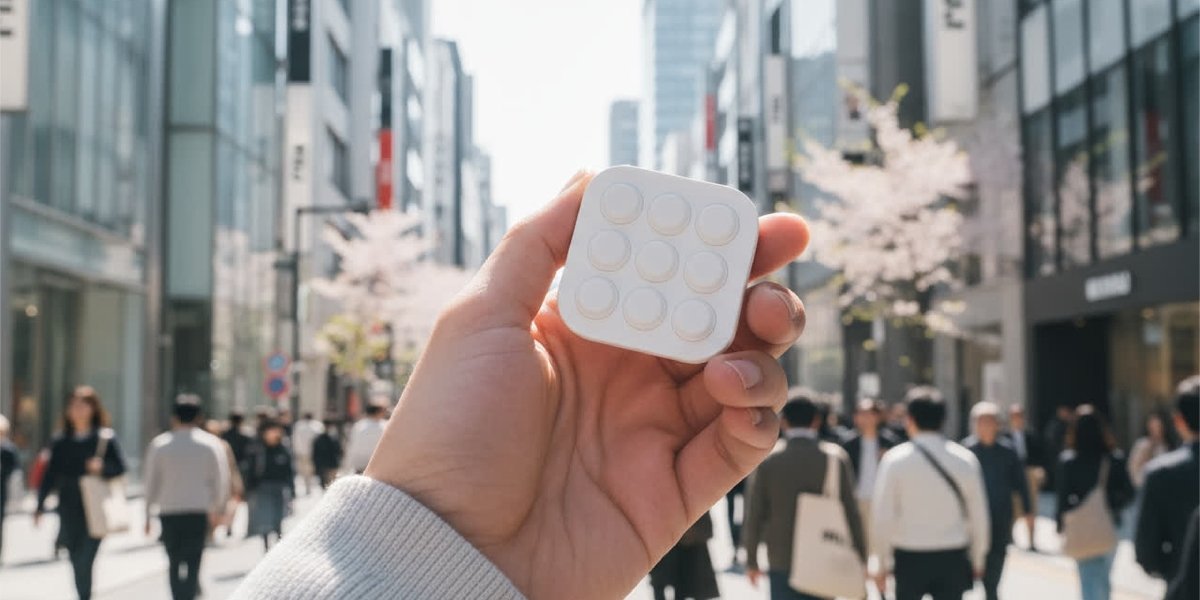
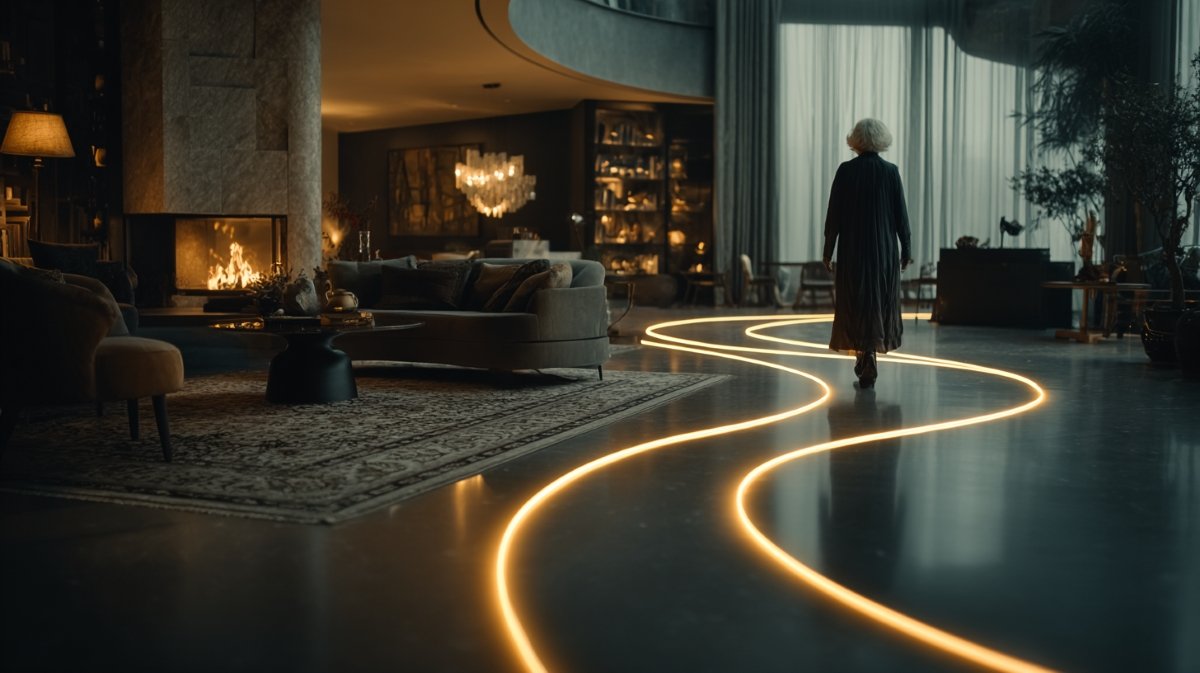
KamiCare entered senior living communities and skilled nursing facilities in early 2022 and expanded through 2025. That sequence, institutional before consumer, is the opposite of how most consumer health technology reaches the market, and it produced operating data no beta programme could replicate. The platform detects ground-level events at 99.5 percent accuracy, built on thousands of documented fall incidents recorded in professional care environments rather than laboratory conditions.
It also asks nothing of the person it protects, and that is the line separating this from everything else on the market. The medical alert pendant has been the default for decades, and it carries a design flaw nobody has solved: it requires someone disoriented, injured or unconscious to perform a deliberate action. The moment help is most needed is the moment the user is least able to summon it. Passive detection removes the person from the equation. The system does not wait to be told something has happened, because it already knows.
It reads more than sudden falls, identifying an inability to rise unassisted, a person moving across a floor without standing, and early indicators that mobility support may be needed. For operators, that converts a safety device into a care planning instrument, which is where facility economics are decided.
Kami Vision holds 60 patents in computer vision and camera technology, developed across years of enterprise deployment, which raises the cost of entry for anyone approaching senior safety from a standing start.
Facilities Buy on Risk. Families Buy on Peace of Mind.
The consumer version entered beta testing in United States homes during 2025, with full rollout expected in the late part of 2026 and early 2027. Mike Link, chief operating officer at Kami Vision, has described the approach to that launch as partnership-led rather than dependent on direct-to-consumer marketing alone.
The reasoning is about how this category reaches people. Nobody wakes up intending to buy fall detection. It enters a family’s life through someone they already trust, a physician, a discharge planner, a care provider, usually within days of an incident that frightened everyone. Those channels arrive at the moment the decision is live, rather than paying to interrupt people who are not yet thinking about it.
That difference in buyer is the central commercial challenge. A facility purchases on a risk calculation: liability exposure, staffing ratios, regulatory obligation. A family purchases because a daughter has started calling her mother twice a day and still lies awake. One decision is reached on a spreadsheet. The other is not.
The home product adds live view and two-way audio, neither of which a staffed facility required. The privacy architecture carried over unchanged: recording occurs only during detected events, and unobscured footage goes exclusively to authorised family members. Alerts reach the resident first, then designated contacts, with an option to call 911 through the application.
Six Million Users Already Run on This Platform
The underlying infrastructure is not being built for this launch. It already carries load.
Operating from Palo Alto and engineering these systems since 2020, Kami Vision serves six million users across 120 countries and 15 million devices, processing 248 million daily alerts and 25 petabytes of data. An early growth round of $10 million from East West Bank funded that buildout.
The same Vision AI foundation supports Kami Pro Security for commercial premises and KamiCloud for notifications and storage, diversifying revenue while compounding investment in core detection. At CES 2026 the company introduced a companion smart ring tracking heart rate, blood oxygen and sleep, extending coverage beyond the range of a fixed camera.
The Arithmetic Is Settled. The Adoption Is Not.
The demographic mathematics are not a forecast. They are already in motion, and healthcare costs are moving with them.
What remains unproven is whether households convert that arithmetic into purchasing decisions at a price point they will absorb. What has been proven is the technology, over four years, in the environments where falls are most frequent and most consequential.
The rollout in late 2026 is the test of whether institutional validation translates into commercial scale.
Care providers and families can review the fall detection platform or request a demonstration through the company’s site.