
By: Emily Tran
The natural gas industry is no stranger to complexity. Nowhere is this more evident than in the labyrinthine world of pipeline tariffs, where thousands of line items span hundreds of pipelines and utilities, subject to constant shifts in regulation and rate structures. For market participants—traders, schedulers, producers, and utilities—manual tariff management has long been a costly, error-prone process, hindering efficiency and creating obstacles to swift decision-making. The recent debut of NatGasHub’s Automated Gas Pipeline Tariffs (gTARIFF) system marks a transformative moment for companies seeking a smarter, streamlined approach to tariff data management.
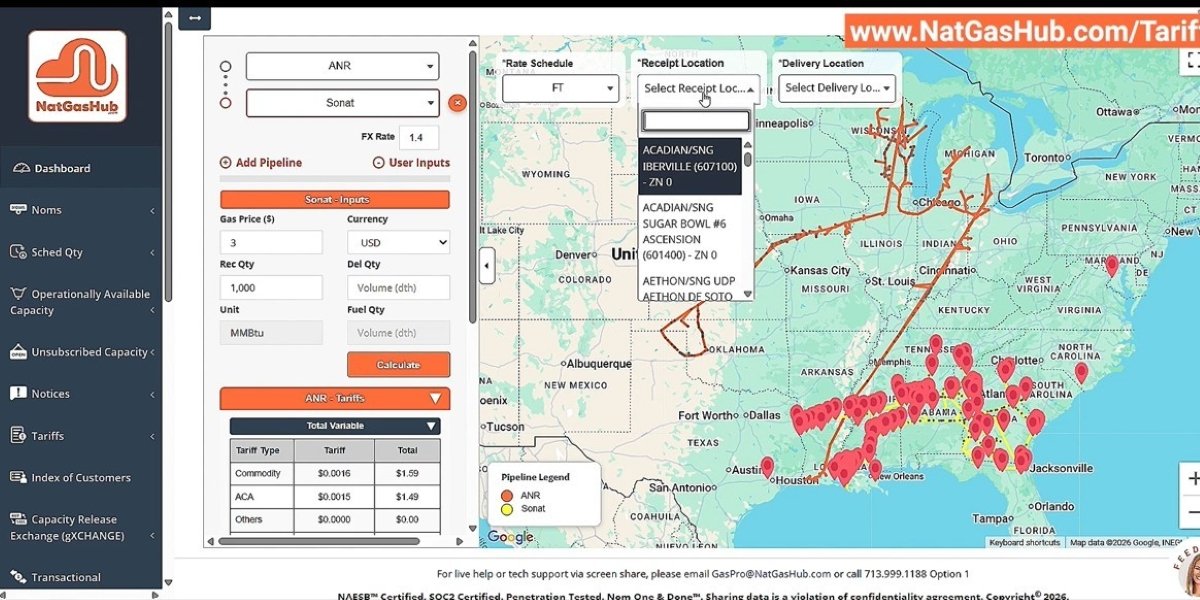
Built under the leadership of Jay Bhatty, NatGasHub’s gTARIFF is being called the “Google Maps” of natural gas pipeline tariffs. This advanced platform offers a single, automated source for tariff data, pulling information from over 215 interstate and intrastate pipelines and more than 490 gas utilities across the United States and Canada. By consolidating disparate regulatory data into one system, NatGasHub is removing a significant operational burden and sharply reducing the risk of human error.
The core value of gTARIFF lies in its real-time digital feed, which delivers daily updates from the latest regulatory filings directly into subscriber systems. Every relevant tariff element—reservation and demand charges, commodity fees, fuel percentages, ACA surcharges, and more—is meticulously standardized, regardless of whether a utility relies on mileage-based, zone-to-zone, or hybrid pricing models. This level of standardization and coverage has been elusive for an industry that, until now, has wrestled with the hassle of scraping rates from proprietary portals or juggling numerous spreadsheet reconciliations.
A defining advantage of NatGasHub’s platform is its daily automation cycle, with all tariff information updated before 6:00 AM Central Standard Time. This scheduling ensures traders and operational teams begin each day with a fresh, regulator-approved data set. For gas traders, real-time tariff data provides the accuracy required for pricing strategies, hedging decisions, and margin calculations. Small errors in tariff inputs can translate into significant financial discrepancies, and the platform’s automation virtually eliminates these costly mistakes.
Compliance is another bedrock feature. U.S. natural gas pipelines are governed by the Federal Energy Regulatory Commission (FERC), while their Canadian counterparts follow distinct provincial frameworks. NatGasHub’s gTARIFF platform verifies each data update against filings from these bodies, flagging pending rate adjustments and instantly integrating newly approved tariffs. For subscribers, this delivers unparalleled confidence in both the accuracy and legitimacy of the data supporting their operations.
Supporting these benefits is NatGasHub’s commitment to security and data integrity. The system adheres to the North American Energy Standards Board (NAESB) certification for seamless integration and SOC2 compliance for cybersecurity hygiene. With corporate and regulatory scrutiny of digital infrastructure at an all-time high, this compliance posture is indispensable for organizations relying on tariff automation to inform financial transactions and operational planning.

Photo Courtesy: NatGasHub
Integration into enterprise environments is effortless. Each tariff line item is mapped through a unique identifier compatible with existing energy trading and risk management (ETRM) tools. This automated workflow means scheduling and accounting processes receive instantaneous tariff data, banishing the drudgery of data entry and manual updates. Preview mechanisms within the platform let clients review upcoming changes, providing transparency and preserving user control throughout the integration process.
gTARIFF also brings intelligent monitoring and alerting into play. Automated tools constantly track tariff changes, fuel cost adjustments, and regulatory updates, sending real-time notifications to users. This proactive design lets companies immediately adapt their transportation models or adjust operations in response to market shifts, improving both agility and long-term cost management.
Visualization is another standout element. Borrowing a familiar map-based user interface, NatGasHub’s solution allows users to graphically query pipeline routes and simulate transportation costs, utilizing customizable parameters like volume, contract terms, and pricing assumptions. This empowers traders and schedulers to conduct sophisticated scenario modeling—turning raw tariff data into actionable market insights.
The industry-wide advantages of such a platform are clear. For trading desks, rapid access to standardized tariff data supports more accurate pricing and expedites transaction cycles. For schedulers, it streamlines pipeline nominations and reduces the time spent on reconciliation and error correction. For producers and utilities, the ability to track pending as well as approved tariff filings delivers a forward-looking edge, letting organizations prepare for regulatory changes before they impact the bottom line.
Beyond individual efficiency gains, NatGasHub is introducing a new level of transparency and standardization to the natural gas sector. Previously, companies operated amid fragmented data sources and proprietary portals, each with unique data formats and limited visibility. With gTARIFF, they now have a unified environment that supports not only operational efficiency but also strategic decision-making.
Driving this wave of innovation is the vision of Jay Bhatty, whose combined use of artificial intelligence and human oversight provides both the speed and reliability the market demands. Machine learning aids in the rapid detection and processing of changes, while expert validation assures that only accurate and regulatory-compliant data flows through the system.
While NatGasHub is not a public data repository, focusing instead on delivering structured tariff feeds to subscribers via API or integrated interfaces, its role as an enterprise-grade data service is more critical than ever. For energy companies navigating a rapidly evolving marketplace—where regulation, market prices, and infrastructure dynamics can change overnight—the ability to automate, standardize, and trust tariff data is a strategic necessity.
The launch of NatGasHub’s Automated Gas Pipeline Tariffs platform is a defining moment in the modernization of natural gas infrastructure data management. Centralizing and automating what was once a cumbersome, manual process, the gTARIFF system delivers sharper operational efficiency, deeper market insight, and stronger regulatory compliance for the entire natural gas value chain. As the industry moves further into a digital future, solutions like NatGasHub’s promise to be foundational for companies eager to thrive in a dynamic, data-driven energy landscape.