As digital commerce continues to transform global markets, the financial services and payment processing industries have emerged as critical components of modern economic infrastructure. Businesses of all sizes now rely on secure, efficient transaction systems to operate across borders, manage customer relationships, and scale their services in increasingly competitive environments. In response to this shift, Liberty / Meridian Institute of Technology University has introduced its Payment Industry 101 program as an educational gateway designed to help learners understand the fundamentals of merchant services, fintech infrastructure, and the broader payment ecosystem. Guided by the leadership of Dr. Sarah Sun Liew, the program reflects a growing recognition that accessible education plays a vital role in preparing individuals for technology-driven careers within financial services.
The rapid expansion of e-commerce and digital transactions has created a demand for professionals who understand not only how payments function technically but also how they integrate into broader business strategies. Many newcomers to the industry encounter complex terminology, evolving compliance expectations, and rapidly changing technological frameworks that can be difficult to navigate without structured guidance. Liberty / MIT University’s introductory curriculum aims to demystify these challenges by presenting payment industry concepts in a structured and practical manner. Participants are introduced to the lifecycle of a transaction—from customer initiation to settlement—allowing them to develop a clearer understanding of how various stakeholders interact within the financial ecosystem.
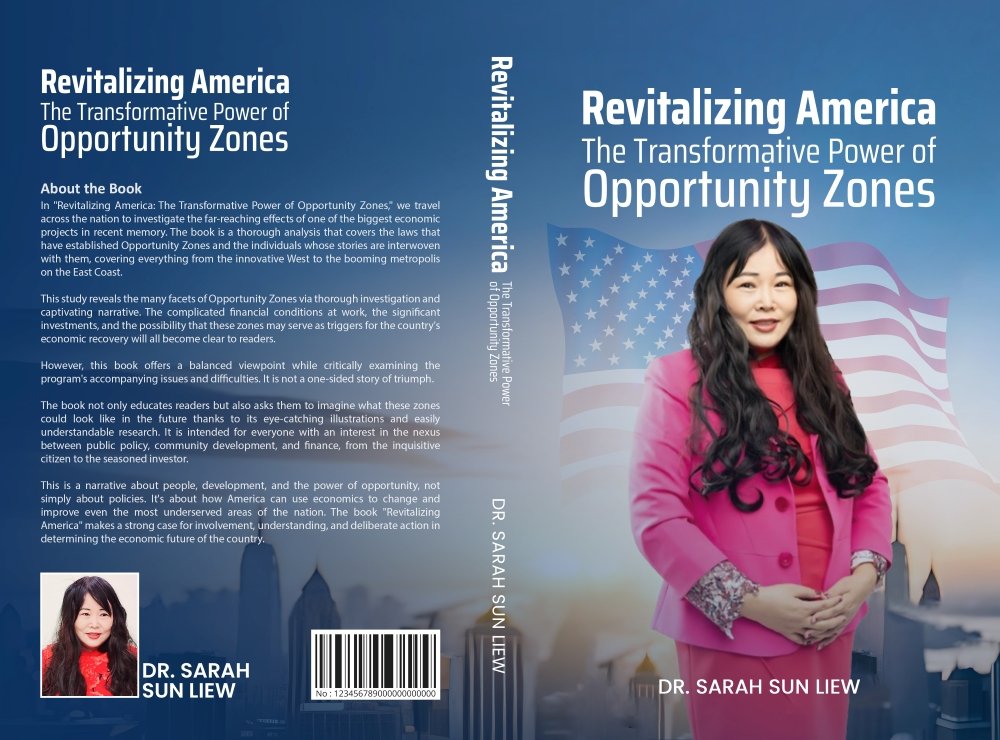
Photo Courtesy: Dr. Sarah Sun Liew
Dr. Sarah Sun Liew has emphasized that education in the payment sector should balance technical literacy with real-world context. Rather than focusing solely on abstract definitions, the program integrates scenario-based learning experiences that encourage participants to explore how payment systems function in everyday business operations. Topics such as merchant onboarding, payment gateway integration, and risk awareness are presented through case studies that highlight both opportunities and responsibilities within the industry. This approach reflects the institution’s broader philosophy of experiential education, where learners are encouraged to apply knowledge through practical exercises that mirror professional environments.
One of the defining aspects of the Payment Industry 101 program is its accessibility. The curriculum is designed for individuals from a wide range of professional backgrounds, including entrepreneurs, sales specialists, technology enthusiasts, and career changers seeking to explore opportunities in fintech. By creating an inclusive learning environment, Liberty / MIT University aims to expand access to financial education and help participants identify pathways that align with their unique skills and interests. Dr. Liew’s leadership vision underscores the importance of opening doors for individuals who may not have traditional financial training but possess the curiosity and motivation to engage with emerging industries.

Photo Courtesy: Dr. Sarah Sun Liew
Technology integration forms a cornerstone of the learning experience. Participants explore digital payment platforms, remote onboarding systems, and emerging trends such as contactless transactions and cross-border commerce. Through guided workshops, learners gain familiarity with the tools and processes that shape modern financial services. These sessions highlight how technology influences not only operational efficiency but also customer experience, emphasizing the importance of adaptability in a rapidly evolving industry landscape.
Mentorship and collaboration further enrich the program’s educational framework. Participants engage in group discussions and collaborative exercises designed to simulate real-world client interactions and business scenarios. By practicing communication strategies and problem-solving techniques, learners develop the interpersonal skills necessary for success in customer-focused financial roles. Dr. Sarah Sun Liew has frequently noted that effective financial service professionals must balance analytical thinking with empathy and ethical awareness, recognizing the human dimension behind every transaction.
The program also introduces foundational concepts related to compliance and ethical responsibility. While not intended to provide legal advice, the curriculum encourages participants to understand the importance of transparency, documentation, and risk management within payment operations. These discussions reflect broader industry trends emphasizing governance and accountability, highlighting how education can support responsible decision-making in financial environments. By framing compliance awareness as an essential component of professional development, Liberty / MIT University seeks to foster a culture of integrity and trust.
Global perspectives play a significant role in shaping the Payment Industry 101 curriculum. As digital payments increasingly transcend national borders, participants are encouraged to explore how cultural, regulatory, and economic factors influence transaction systems worldwide. Collaborative projects often examine cross-border payment challenges, helping learners understand how international commerce requires both technical knowledge and cultural sensitivity. This global outlook aligns with Dr. Liew’s broader vision of preparing professionals to navigate interconnected markets with confidence and awareness.
Supporters of the program argue that structured fintech education has become essential as payment technology grows more sophisticated. Employers increasingly seek candidates who possess practical knowledge of transaction workflows and customer engagement strategies, making introductory programs like Payment Industry 101 valuable stepping stones for career development. By focusing on foundational competencies, Liberty / MIT University aims to equip participants with skills that can be expanded through advanced training and real-world experience.
Critics sometimes question whether short-form certification programs can provide sufficient depth for long-term professional growth. Liberty / MIT University addresses these concerns by positioning Payment Industry 101 as an entry-level gateway rather than a comprehensive endpoint. Participants are encouraged to continue their education through additional certifications, mentorship opportunities, and ongoing professional engagement. This layered approach reflects Dr. Sarah Sun Liew’s belief that learning within the fintech sector should be continuous, evolving alongside technological innovation and industry standards.
Leadership development remains intertwined with the program’s technical focus. Workshops often explore how financial service professionals can build trust with clients through transparent communication and ethical conduct. By emphasizing values-based leadership, the curriculum reinforces the idea that success in the payment industry depends not only on technical expertise but also on the ability to foster meaningful relationships. Participants are encouraged to reflect on how their actions influence both individual clients and the broader financial ecosystem.
Community engagement also shapes the program’s learning environment. Participants frequently collaborate on projects that explore how digital payment solutions can support small businesses and entrepreneurial initiatives. These exercises highlight the role of financial services in driving economic growth and innovation, reinforcing the institution’s commitment to education that connects professional development with societal impact. Through collaborative learning, participants gain a deeper appreciation for the ways in which fintech can empower communities and create new opportunities.
Another distinguishing element of the program is its emphasis on adaptability. As the payment industry continues to evolve, professionals must remain open to new technologies and shifting market dynamics. Liberty / MIT University encourages learners to approach education as an ongoing process, equipping them with the mindset necessary to navigate change effectively. Dr. Sarah Sun Liew has often described adaptability as one of the most valuable skills in modern finance, emphasizing that continuous learning enables individuals to remain relevant in fast-moving industries.
Technology-driven infrastructure further enhances the program’s accessibility and reach. Digital learning platforms allow participants from different regions to engage in virtual workshops, access training materials, and collaborate with peers across geographic boundaries. This interconnected environment reflects the global nature of the payment industry, providing learners with opportunities to build networks that extend beyond local markets. By integrating digital tools into the educational experience, Liberty / MIT University seeks to create a flexible and inclusive learning ecosystem.
Industry observers note that the Payment Industry 101 program aligns with broader trends in workforce development, where education increasingly emphasizes practical skills and industry relevance. As fintech continues to expand, institutions that provide structured entry points into complex sectors may play an important role in shaping the next generation of professionals. Liberty / MIT University’s emphasis on experiential learning and mentorship positions the program within a growing movement toward career-focused education models.
Looking toward the future, the Payment Industry 101 program reflects Dr. Sarah Sun Liew’s broader vision of integrating financial education with accessible learning pathways. By introducing participants to the foundations of merchant services and digital transactions, the university aims to empower individuals to explore opportunities within a rapidly expanding fintech landscape. Through mentorship, ethical leadership, and practical training, the program highlights how structured education can serve as a bridge between curiosity and professional growth.
Ultimately, Payment Industry 101 illustrates how educational institutions can respond to the changing dynamics of global commerce by providing learners with tools that connect theory to practice. As digital payments continue to reshape industries and redefine customer expectations, programs that emphasize both technical understanding and ethical responsibility may become increasingly significant. Liberty / MIT University’s approach demonstrates how education can open doors to emerging career pathways while fostering a deeper understanding of the systems that power modern financial services.
Media Features
AP News Press Release
The US Journal Feature
Author Profile
https://wikitia.com/wiki/Dr._Sarah_Sun_Liew
Direct Contact
(424) 343-7025 / info@meridianwish.com
Learn More
Liberty & MIT (Meridian Institute of Technology)