By: Matthew Kaiser
As businesses navigate rising costs, economic uncertainty, and increasing pressure to demonstrate measurable returns, many are beginning to rethink one of the most traditional positions in the executive suite: the Chief Marketing Officer.
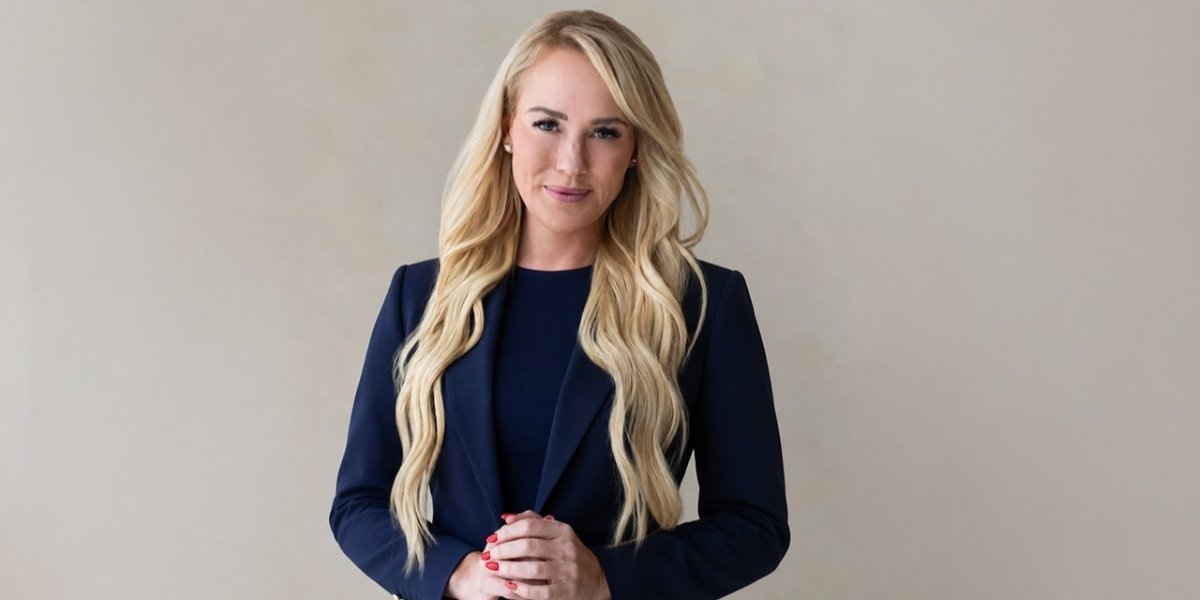
According to Robin Dimond, founder of Fifth & Cor, the future of marketing leadership isn’t necessarily full-time.
It’s fractional.
Over the past several years, Dimond has emerged as one of the leading voices in the growing movement toward fractional marketing leadership, helping businesses gain access to executive-level strategy without the financial burden and long-term commitment of a traditional C-suite hire.
“The assumption has always been that growth requires hiring more people,” says Dimond. “What we’re seeing now is that businesses don’t necessarily need more people. They need the right expertise at the right time.”
That philosophy has become the foundation of Fifth & Cor, the strategic marketing and public relations agency she founded to help businesses bridge the gap between vision and execution. Through the firm’s fractional leadership model, companies gain access to senior-level marketing guidance and benefit from a broader team specializing in public relations, content strategy, partnerships, social media, and brand development.
The approach is resonating with business leaders across industries.
As organizations continue to search for ways to scale efficiently, many are discovering that the traditional executive hiring model carries significant risks. Recruitment can take months, onboarding often takes longer, and even highly qualified executives require time to fully understand the nuances of a business before meaningful results can be achieved.
Dimond believes those realities have accelerated demand for a more agile solution.
“Business moves faster than ever,” she explains. “Companies can’t afford to spend six months waiting for momentum. They need strategic leadership that can step in immediately, identify opportunities, align teams, and start driving results.”
Her perspective is informed by years of helping brands navigate growth, visibility, and market positioning. Through her work, Dimond has observed a common pattern among organizations that struggle to scale successfully.
Many founders remain deeply involved in marketing decisions long after their companies have outgrown that model.
“The clearest sign that a business needs strategic marketing leadership is when the CEO is still acting as the head of marketing,” she says. “When leaders are managing social media, reviewing content, coordinating vendors, and overseeing campaigns themselves, they’re spending time working in the business instead of leading it.”
According to Dimond, the challenge is rarely a lack of effort.
More often, it’s a lack of alignment.
As businesses grow, marketing functions often become fragmented. Agencies, freelancers, consultants, and internal teams may all be working independently, yet few are operating from a unified strategy. The result is wasted resources, inconsistent messaging, and missed opportunities.
A fractional marketing leader serves as the connective tissue, ensuring every initiative supports larger business objectives.
For Dimond, that objective should always be tied to revenue.
“For too long, businesses have evaluated marketing through vanity metrics,” she says. “Followers, likes, impressions. Those numbers have their place, but leadership teams care about growth. They care about revenue. Marketing should be measured by its contribution to business outcomes.”
That focus on accountability has become one of the defining characteristics of her leadership philosophy.
Rather than viewing marketing as a collection of campaigns, Dimond approaches it as a growth system. Every initiative, from public relations and content marketing to strategic partnerships and social media, should contribute to building credibility, generating demand, and driving revenue.
It’s a perspective that has attracted attention from organizations navigating periods of rapid expansion, leadership transitions, and evolving market conditions.
At a time when companies are under increasing pressure to do more with less, Dimond believes fractional leadership offers a practical path forward.
“When economic conditions become uncertain, businesses need flexibility,” she says. “Fractional leadership allows organizations to maintain executive-level strategy without taking on the fixed costs associated with a full-time executive hire. They can scale support based on what the business needs today, not what they anticipated a year ago.”
Looking ahead, Dimond sees the rise of fractional leadership as more than a temporary business trend.
She believes it represents a broader shift in how organizations think about expertise.
“The conversation is changing,” she says. “Business leaders are no longer asking whether someone sits in the office five days a week. They’re asking whether that person can create meaningful impact.”
For Robin Dimond, the answer has never been about titles.
It’s about results.
And as more businesses rethink how they build leadership teams, her vision for flexible, performance-driven executive leadership is helping shape what the future of marketing may look like.