By: Kate Sarmiento
There’s something almost rebellious about a business that won’t chase every new trend. Companies scramble to squeeze another point out of quarterly numbers. They launch products nobody will remember in six months. Meanwhile, places like Foxhollow Farm are playing a different game entirely. They’re thinking in decades, not fiscal quarters.
Foxhollow Farm sits on 1,300 acres in Crestwood, Kentucky. For almost twenty years, the farm has been building something that looks old-fashioned at first glance. Look closer, though, and it’s actually way ahead of the curve. The farm raises 100 percent grass-fed, grass-finished beef. At the same time, it’s restoring soil, improving biodiversity, welcoming visitors onto the land, and building up a regional food system. None of that happened fast. None of it happened because someone was chasing quick growth. That’s exactly why business leaders should be paying attention.
Most conversations about regenerative farming focus on healthier soil and cleaner food. Fair enough, those things matter. But they miss something else that’s just as important: regenerative farms are basically case studies in good business strategy. Every decision forces the people running it to think years ahead. Every shortcut has a cost down the road. Every season is proof that some investments stay invisible for a long time before they pay off.
Here’s a number worth sitting with. Only 30 percent of people worldwide say they trust businesses to do the right thing, even though businesses have more influence on daily life than almost any other institution (Source: PwC, 2024). That gap doesn’t close with better marketing. It closes when people believe a company is actually building something worth sticking around for. And that kind of trust doesn’t come from moving fast. It comes from showing up the same way, again and again, instead of optimizing every corner of the business for a quick win. Regenerative farming gets this instinctively. Nature has never rewarded impatience.
Healthy Soil Has a Funny Way of Exposing Bad Business Habits
A lot of modern business culture is obsessed with results you can see right now. If a strategy doesn’t show measurable growth before the next board meeting, it gets cut. Teams end up stuck chasing immediate output instead of anything that actually lasts. A farm could never survive that way. Healthy soil builds up slowly. Organic matter takes time to accumulate. Water retention gets better season after season. None of it happens because someone wanted a better quarterly report.
Foxhollow follows Biodynamic and regenerative practices that treat the land like a living system, not a machine you just push harder for more output. Every choice is made with an eye on what the land should look like years from now, not what can be squeezed out this season. Businesses work the same way, even if people forget it. You can’t build a strong culture in one retreat. Customer loyalty doesn’t develop from a single good ad campaign. A strong reputation is built out of thousands of small interactions that never make headlines. Even keeping good employees follows this pattern. People stay loyal to companies that show them, again and again, what they actually stand for, not ones that put a mission statement on the wall and call it culture. That kind of loyalty comes from consistency, not a slogan.

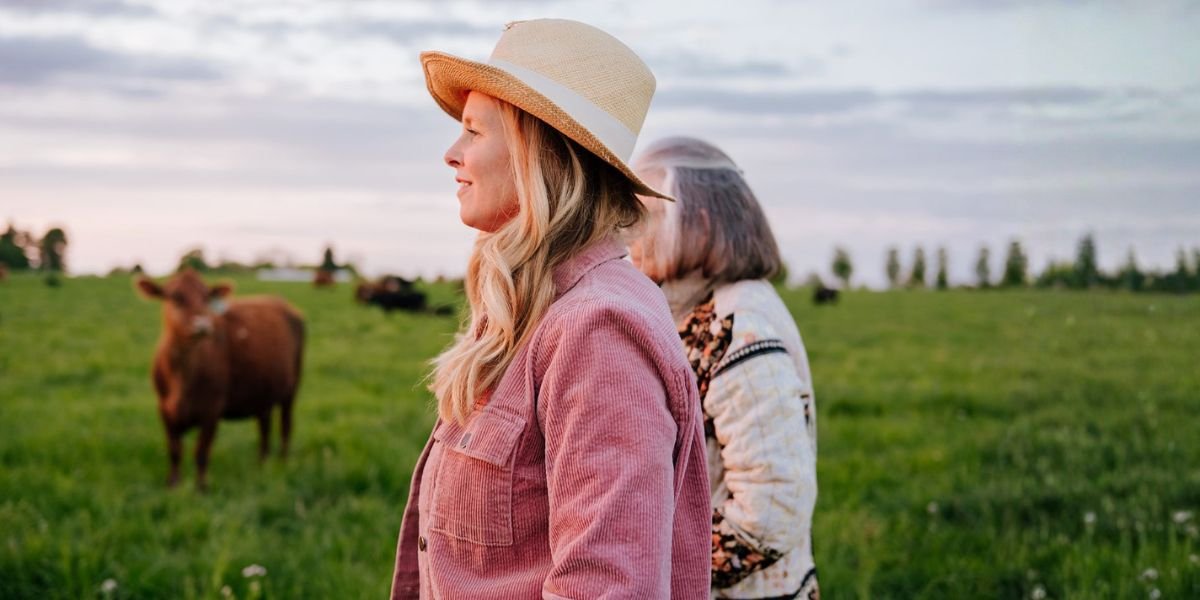
Photo Courtesy: Foxhollow Farm
Long-term thinking often looks painfully slow while it’s happening. A field that’s being restored doesn’t impress anyone driving by. A business that’s investing in relationships rather than fast growth can look boring compared to competitors making a lot of noise. But give it a few years, and the difference is obvious. Healthy soil grows healthier pastures. Healthier pastures raise healthier cattle. Better cattle mean better food, and customers notice, come back, and tell other people. It works the same way inside a company. Leaders who invest in their people build stronger teams. Stronger teams take better care of customers. Better customer experiences build trust, and trust is what brings people back. Eventually, growth starts to look steady because it’s built on something solid rather than just momentum.
Transparency Isn’t a Marketing Strategy. It’s How You Run the Place
People have gotten really good at spotting a business that only cares about transparency when the cameras are rolling. Shoppers ask harder questions than they used to. Where was this made? Who made it? Can this company actually back up what’s on the label? Almost three out of four consumers say they’ll pay more for a product if the company is fully upfront about how it’s made (Source: Marketing Charts, 2020). That’s not really about price. It’s about people wanting to trust that the story matches the product.
That’s part of why Foxhollow opens its gates instead of keeping people out. Visitors can walk the farm, meet the people raising the cattle, and shop at the on-site market. They see the work with their own eyes instead of being asked to just believe a brand story. Many industries could learn from this. Plenty of companies publish glossy sustainability reports while making decisions that tell a completely different story, and customers pick up on that faster than most executives think. The best businesses don’t have to convince anyone they’re trustworthy. Their day-to-day work already proves it. The same goes inside a company. Employees stay engaged when leaders are honest about wins, setbacks, and priorities, rather than leaving people to guess from office rumors.
Good Leaders Leave Something Better Behind
Most leadership conversations focus on numbers, growth, and strategy. Those things matter, but they can crowd out a better question. What will be healthier because this business existed?
At Foxhollow, stewardship isn’t a word on a website. It shapes everyday decisions, from how the land is cared for to building a business that gives the next generation a real shot at farming, which is a bigger deal than people realize. The average American farmer is just over 58 years old, and only 9 percent of U.S. farmers are under 35 (Source: USDA, 2022 Census of Agriculture). If farming can’t support a family financially, the next generation won’t stick around, and that affects every community that depends on a working food system.

Photo Courtesy: Foxhollow Farm
Many companies face the same problem, even far from any farm. Future leaders won’t inherit a healthy company by accident. They need a workplace where knowledge gets shared and decisions are made with enough foresight that the next person isn’t stuck cleaning up avoidable messes. Some leaders talk a big game about legacy while burning out their people and only solving today’s problems, and eventually, someone else has to pay for that. Stewardship asks a harder question. If someone else ran this company in twenty years, would today’s choices make their job easier or harder?
Build Something Worth Handing Off
Every business leaves something behind. Sometimes it’s healthier communities and loyal customers. Sometimes it’s burned-out people and broken trust. That outcome isn’t decided in one big moment. It’s built from ordinary decisions made over and over for years.
Foxhollow Farm has shown that patience isn’t the opposite of ambition. It’s often what makes ambition last. By investing in the land, welcoming people into the process, and building a food system rooted in stewardship, the farm proves that long-term thinking isn’t just a nice idea. It’s a strategy that keeps paying off long after the excitement over the next big trend has faded. The next quarterly report will be forgotten soon enough. The reputation a business builds over decades usually isn’t.