Africa’s construction sector is expanding rapidly, but fragmented equipment supply chains are undermining delivery: contractors wait weeks for spare parts, rely on counterfeit components, and juggle disconnected suppliers. Until the continent builds stronger local distribution networks, the gap between infrastructure investment and completion will keep widening.
How Large Is Africa’s Construction Market, and Where Is It Heading?
Africa’s construction market was valued at over $240 billion in 2025, projected to grow roughly 7% annually to $363 billion by 2031 (Mordor Intelligence), with a pipeline already exceeding $450 billion across roads, railways, ports, energy, housing, and industrial zones. Growth is driven by Africa’s urban population, forecast to double to 1.4 billion by 2050, the AfCFTA’s reshaping of cross-border trade, and record government spending from Egypt to Kenya to Nigeria.
Yet the African Development Bank estimates an annual infrastructure financing gap of $68 billion to $108 billion, with current investment at roughly $80 billion a year against a $130 billion to $170 billion requirement, a shortfall costing an estimated 2% of annual GDP growth.
What Is Holding Africa’s Equipment Supply Chains Back?
An equipment supply chain covers procurement, shipping, customs, logistics, spare parts stockholding, technical service, training, and maintenance. Any broken link stalls projects.
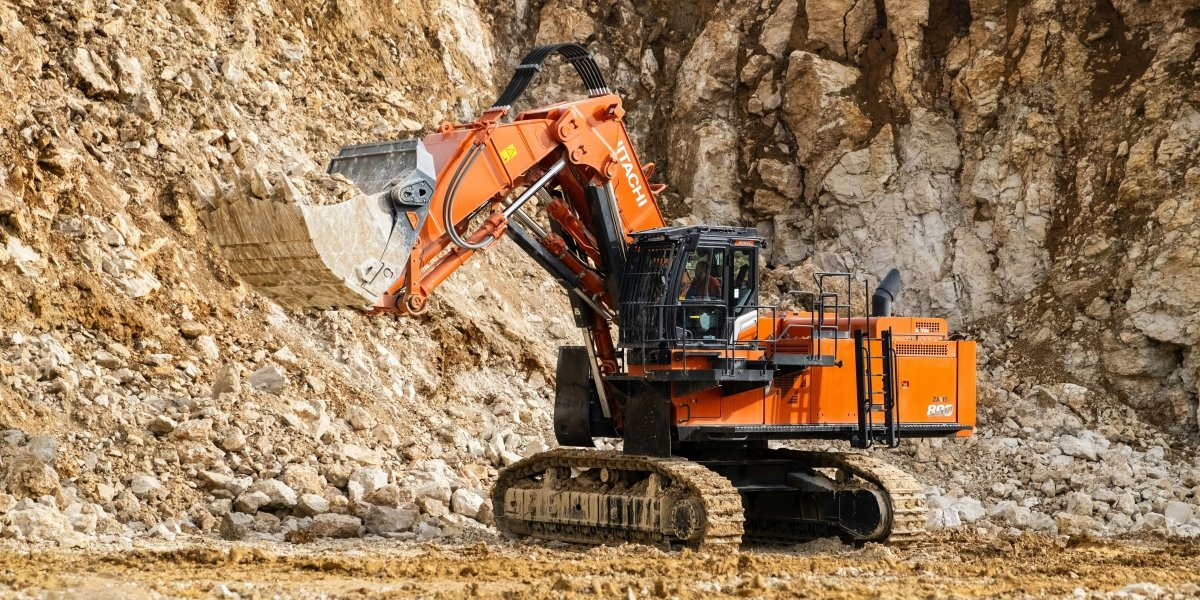
Logistical delays and technician shortages. Most heavy machinery, including excavators, wheel loaders, bulldozers, cranes, and forklifts, is manufactured overseas, and slow shipping, port congestion, and a shortage of trained local technicians add delays in remote regions.
Counterfeit parts and fragmented after-sales support. When genuine components are unavailable, operators turn to informal markets, causing repeated breakdowns and rising costs. Many transactions are ship-and-forget: when a machine breaks down months later there is no local service, parts, or technician nearby, so it and the project sit idle.
Why Does Spare Parts Availability Matter for Development?
Spare parts availability is directly tied to economic productivity and development timelines. Consumption across West Africa is growing at double-digit rates, led by Nigeria, Ghana, and Benin. Local manufacturing of precision components remains limited, so nearly all parts are imported, exposing the sector to currency, freight, and geopolitical risk.
The consequences are concrete: a housing project stalled by equipment downtime deepens a continent-wide deficit of 51 million affordable units, while delays elsewhere cost contractors margin and communities the infrastructure they need.
What Do Effective Equipment Supply Chains in Africa Look Like?
Closing this gap requires consistent application of known principles: local stockholding of high-turnover parts, multi-brand distribution, after-sales infrastructure embedded in-country, and trained technical workforces close to project sites. The strongest-performing distributors invest in regional presence, ship-to-order models, local warehouses, in-market service engineers, and multiple brands through one network.
HMD, a leading heavy machinery distributor in Africa, operates on this model across West Africa, distributing premium machinery brands alongside genuine spare parts and providing on-the-ground after-sales support through its operations in Tema, Ghana, and Lagos, Nigeria. This reflects the principle that equipment distribution in Africa must be embedded in the markets it serves, not managed remotely.
How Does Multi-Brand Distribution Reduce Risk for Contractors?
One advantage of multi-brand distribution is fleet consolidation: a contractor sourcing excavators, forklifts, wheel loaders, telehandlers, and dump trucks through one distributor gets consistent parts pipelines, unified service, and one point of accountability. The alternative, juggling five suppliers with separate inventories and lead times, is a genuine risk for the small and mid-size contractors who make up most of Africa’s construction workforce.
A consolidated solution, multiple brands, local parts stock, and in-country technical support reduce that exposure.
What Needs to Change for Africa’s Construction Pipeline to Deliver?
Infrastructure investment does not automatically become infrastructure. Projects that stay on schedule and on budget are overwhelmingly backed by reliable equipment supply chains: local parts availability, responsive service, and machinery suited to local conditions.
Two shifts would help: greater investment in regional distribution infrastructure, warehousing, service centres, and parts inventories within African markets rather than overseas hubs; and stronger quality controls on spare parts, pairing regulatory enforcement with genuine, competitively priced components.
Africa’s infrastructure ambitions will be constrained not by capital or political will but by operational capacity to execute at scale. Stronger supply chains are foundational to that equation.