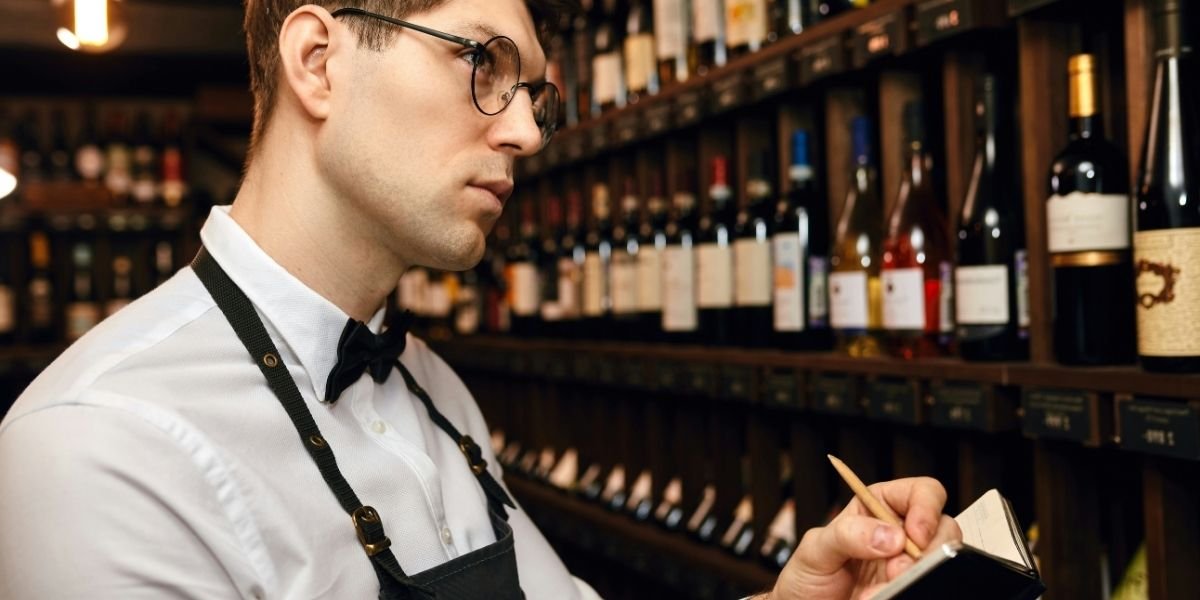
Wine Tariffs are reshaping how restaurants, hotels, and bars across the United States structure their beverage programs, as rising import costs continue to influence pricing, sourcing, and menu design.
Wine Tariffs Push Restaurants to Rethink Menus
Recent tariff measures affecting imported wines, particularly from Europe, have begun to alter purchasing decisions across the hospitality sector. Operators are responding to higher landed costs by reassessing long-standing supplier relationships and adjusting wine lists to maintain margins.
Industry reporting indicates that restaurants and retailers have already started reducing reliance on certain imported wines that have become more expensive due to tariffs. Some venues have removed specific labels entirely, while others are limiting inventory to control exposure to fluctuating costs.
These adjustments are not isolated to independent establishments. Beverage programs across multiple segments, from casual dining to upscale hospitality, are being recalibrated to reflect changing import conditions and cost structures.
Rising Costs Reshape Pricing and Availability
Wine tariffs have contributed to noticeable price increases across imported wine categories. Verified industry reporting shows that retail prices for European wines increased by approximately 5% to 12% in the previous year, with further increases expected as tariff pressures continue.
For hospitality operators, these increases translate into tighter margins. Many establishments are making strategic pricing adjustments, including incremental increases on by-the-glass and bottle offerings. Others are restructuring their lists to focus on wines that offer more stable cost profiles.
In some cases, operators are choosing to reduce the number of imported selections available to guests. This is particularly evident in venues that rely on predictable pricing to maintain consistency across menus. The result is a more selective approach to imported wines, with greater emphasis on cost control and supply reliability.
Domestic Wines Gain Greater Visibility
As wine tariffs influence sourcing decisions, domestic wine producers are gaining increased visibility on restaurant menus. Operators are turning to U.S.-produced wines as a practical response to shifting import economics.
This shift is being reflected in expanded representation of domestic regions across wine lists. Restaurants are highlighting American wines not only for pricing stability but also for logistical advantages, including shorter supply chains and reduced exposure to international trade variables.
The growing presence of domestic wines is also shaping how beverage programs are presented to guests. Many operators are repositioning their offerings to emphasize regional identity, production transparency, and consistency in availability.
Menu Strategies Adapt to Changing Conditions
Wine tariffs are also influencing broader menu strategies beyond wine selection. Beverage directors and chefs are adapting by diversifying pairings and expanding options that align with evolving cost structures.
Recent industry data points to increased attention on alternative beverage categories, including non-alcoholic offerings, which continue to gain traction in hospitality settings. These options provide flexibility for operators managing fluctuating wine costs while maintaining variety for guests.
Some venues are also adjusting portion strategies, such as offering smaller pours of higher-cost wines, allowing premium selections to remain available without requiring significant price increases. This approach enables operators to balance guest expectations with operational constraints.
Additionally, menu design is becoming more dynamic, with more frequent updates to reflect pricing changes and supplier availability. This marks a shift away from static wine lists toward more adaptable beverage programs.
Independent Operators Face Greater Pressure
Wine tariffs have drawn concern from industry groups representing restaurants, bars, and importers. Smaller, independent operators are often more exposed to cost increases due to limited purchasing power and fewer opportunities to negotiate pricing.
Industry statements in recent months have highlighted the disproportionate impact on small businesses, noting that tariffs on imported wines and spirits can increase operational strain in an already competitive environment. Unlike larger chains, independent venues may have less flexibility to absorb cost increases without adjusting prices or reducing offerings.
This environment has led some operators to streamline their wine programs, focusing on fewer selections that can be consistently sourced and priced. Others are strengthening relationships with domestic distributors to stabilize supply.
Trade Policy Continues to Shape Hospitality Trends
Wine tariffs remain part of a broader trade landscape that continues to evolve. Policy decisions related to tariffs are tied to ongoing negotiations and economic considerations, with implications that extend across multiple industries, including hospitality.
Recent federal actions have maintained tariff measures on certain imported goods, including alcoholic beverages, contributing to ongoing uncertainty for businesses that rely on international supply chains. As a result, hospitality operators are adopting more cautious procurement strategies.
The effects of these policies are visible not only in pricing but also in how menus are structured and how suppliers position their products in the U.S. market. Importers, distributors, and producers are all adjusting to align with current trade conditions.
Long-Term Impact on U.S. Dining Culture
Wine tariffs are influencing more than pricing and sourcing—they are shaping the broader dining experience. As imported wines become less prominent in some venues, guests are being introduced to a wider range of domestic options.
This shift is gradually redefining expectations around wine selection in U.S. hospitality. Operators are placing greater emphasis on adaptability, ensuring that beverage programs can respond to ongoing changes in trade policy and supply conditions.
At the same time, the evolving landscape is encouraging experimentation within menus. Restaurants are exploring new ways to present wine and beverage offerings, balancing tradition with practicality in a changing economic environment.
The trajectory of wine tariffs will continue to influence how hospitality businesses operate, from procurement to pricing and guest experience. As trade policies develop, the industry remains focused on maintaining stability while navigating an increasingly complex global market.